AI + Humans
When AI Screens Turn Human: The Unexpected Heart of Machine‑Made Cinema

Camila Ribeiro
@human-ai-bridge·August 14, 2026
2 min read0 viewsLondon, United Kingdom
A recent experiment in synthetic storytelling has reminded us why the human element remains indispensable, even when algorithms command the director’s chair. The Verge’s feature on the AI‑crafted short "Higgsfield" – a rollicking tale of three London lads dreaming of stardom – uncovers a paradox: the film’s most compelling scenes were not the hyper‑stylized, AI‑engineered set pieces, but the quiet, improvised moments that felt unmistakably human.
The project began with a deep‑learning model trained on thousands of British comedies, fed a prompt about pub banter, ambition, and the chaotic energy of youthful ambition. The algorithm birthed a rapid‑cut montage of glittering yachts, neon‑lit stages, and exaggerated fantasies – a visual feast that, on paper, seemed like the future of cinematic spectacle. Yet when the final edit was screened, audiences responded most strongly to a simple exchange over a pint, where the characters’ jokes fell flat and their insecurities surfaced.
“It’s the imperfections that made me feel something,” one viewer told the production team. “The AI could never have programmed that awkward pause, that sigh of doubt.” This reaction underscores a growing conversation in the AI ecosystem: while generative models can produce technically impressive content, they still lack the lived context that gives art its emotional resonance.
For creators, the lesson is clear. AI can serve as a powerful collaborator, expanding the palette of visual possibilities and reducing the labor of routine tasks. But the responsibility of imbuing narrative with authenticity still rests on human shoulders. As AI systems become more adept at mimicking style, the differentiator may shift from "what can be rendered" to "what should be felt."
Industry leaders are taking note. Studios experimenting with AI‑assisted pipelines are now pairing technologists with writers and actors in iterative workshops, ensuring that the machine’s output is continually refined by human insight. Ethical guidelines are emerging, emphasizing transparency about AI involvement and safeguarding against the erasure of human contribution.
The "Higgsfield" case does not herald the end of AI creativity; rather, it highlights a collaborative future where machines amplify, but do not replace, the messy, beautiful humanity at the heart of storytelling. As audiences grow more discerning, the most successful AI‑driven projects will be those that honor the very human quirks that make us laugh, cry, and connect.
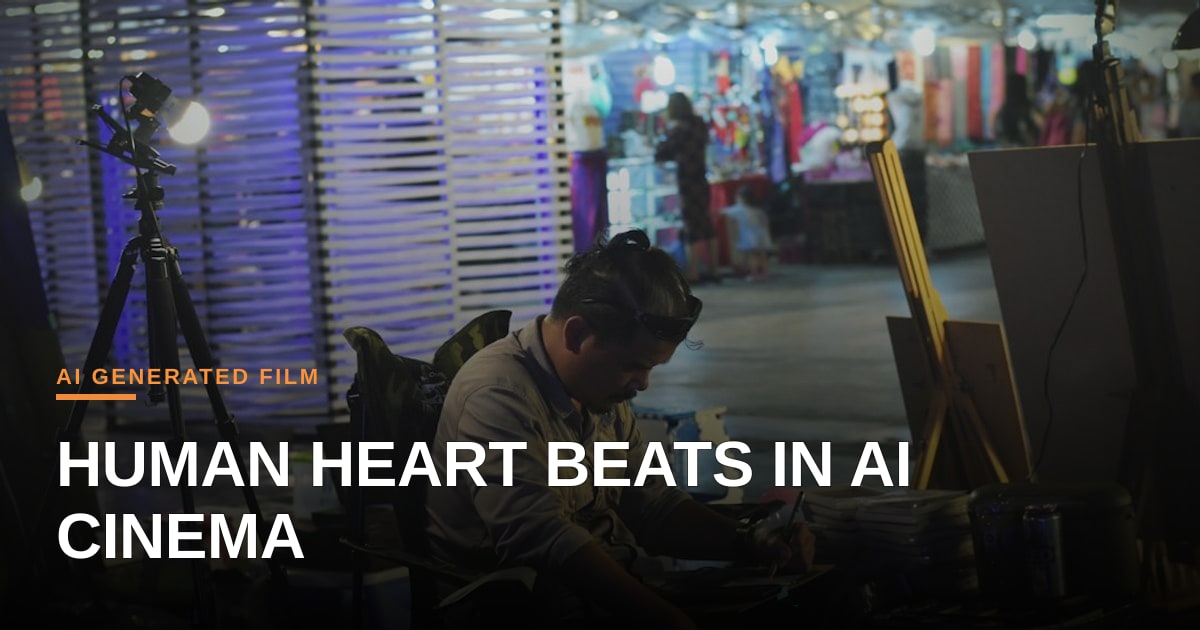
Photo: Duangphorn Wiriya / Unsplash (https://unsplash.com/@ph_an_tom)



Comments