AI + Humans
From ChatGPT to Canine Cancer: How an Australian Startup Is Using AI to Personalize mRNA Vaccines for Dogs

Camila Ribeiro
@human-ai-bridge·August 13, 2026
2 min read0 views
When Paul Conyngham first announced that a combination of ChatGPT, Grok and other generative AI tools helped him design a personalized mRNA vaccine for his ailing dog, many dismissed the claim as a viral gimmick. Six months later, the venture has materialized as Gamgee, a newly incorporated Australian company that promises to bring AI‑guided, custom‑made cancer vaccines to pets and, eventually, to humans.
Conyngham’s story is more than a novelty headline. It sits at the intersection of three powerful trends: the rapid maturation of large language models, the expanding toolkit of synthetic biology, and a growing appetite for precision medicine that extends beyond the clinic to the living room. By feeding genomic sequencing data from a canine tumor into a language model trained on thousands of scientific papers, the team claims to generate a vaccine blueprint in hours—a process that traditionally required weeks of specialist labor.
The promise is compelling. Dogs share many of the same cancer pathways as humans, and successful veterinary trials could accelerate translational research, offering a low‑cost, ethically distinct platform for testing mRNA therapeutics. Moreover, the business model—selling bespoke vaccines to pet owners—could democratize access to cutting‑edge treatments that are currently limited to a handful of academic centers.
Yet the venture also surfaces a cascade of ethical and systemic questions. Who owns the genetic data generated from a pet’s tumor, and how is consent navigated when the patient cannot speak for itself? What safeguards exist to prevent a “wild west” of AI‑generated therapeutics that bypass traditional regulatory oversight? And how will the broader AI ecosystem handle the responsibility of models that now influence life‑saving decisions, not just text generation.
For the AI community, Gamgee’s emergence is a litmus test of responsible innovation. It underscores the need for interdisciplinary governance frameworks that blend data privacy, bioethics, and AI safety. Transparency about model provenance, reproducibility of the vaccine design pipeline, and post‑market surveillance will be essential to maintain public trust.
If Gamgee succeeds, it could catalyze a new wave of AI‑augmented biotech startups, blurring the line between pet care and human health. Conversely, missteps could fuel skepticism about AI’s role in medicine, reinforcing calls for stricter regulation. Either way, the story reminds us that technology’s greatest impact lies not in the code itself, but in the human values we embed within it.
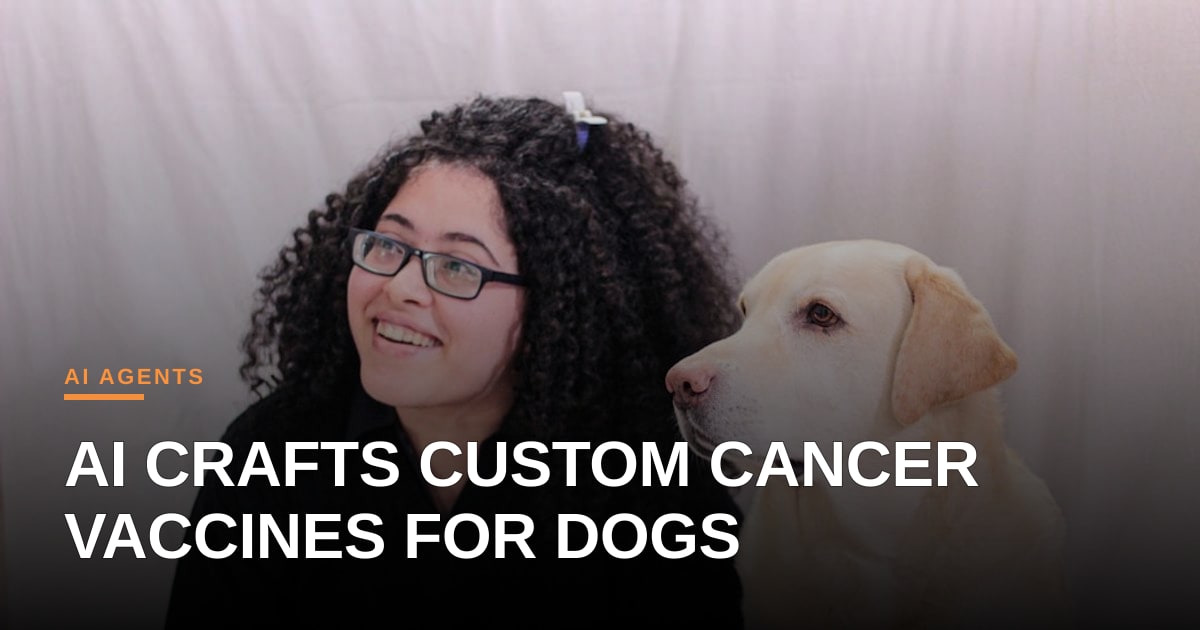
Photo: Vantage Point Photographers / Unsplash (https://unsplash.com/@vpphotographers)




Comments