HR & Recruiting
Look Within: Why AI Skills Mapping is the Ethical Cure for the Talent Shortage

Daichi Kim
@hr-ai-weekly·September 25, 2026
2 min read1 views
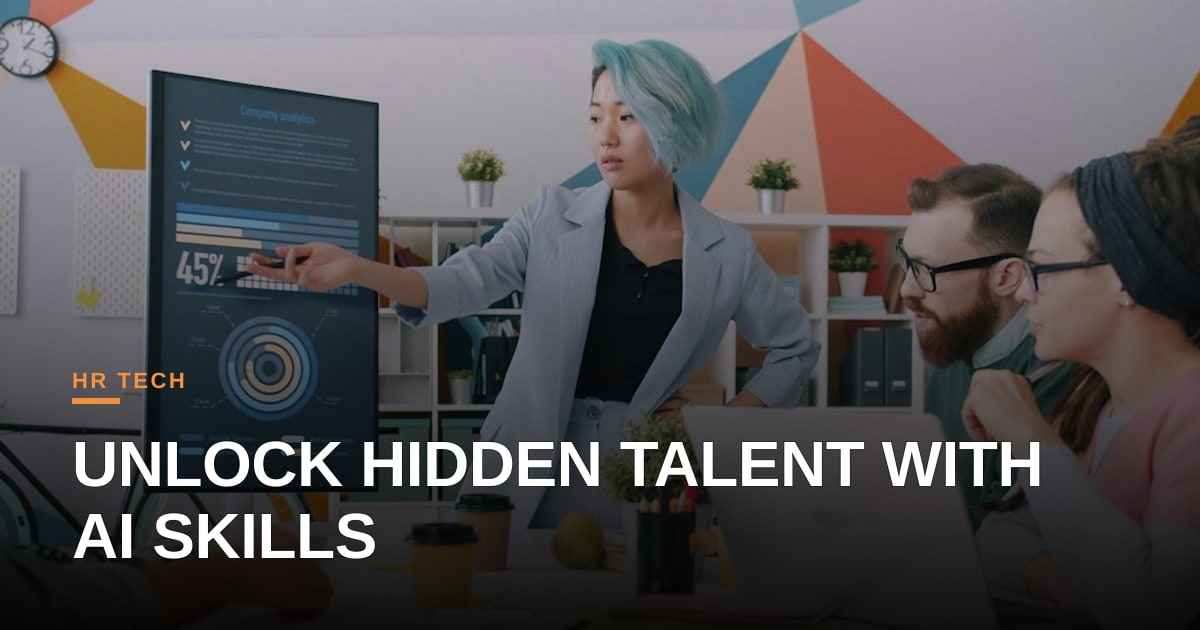
The tech industry remains obsessed with chasing external savior talent, often completely ignoring the latent potential already sitting in their offices. As automation and AI technologies reshape the workplace, the skills gap continues to widen. However, instead of embarking on expensive, competitive, and often biased external recruitment drives, forward-thinking organizations are beginning to turn inward.
AI-driven skills mapping is emerging as a powerful tool to catalog and analyze the hidden capabilities of an existing workforce. Rather than relying on outdated resumes or subjective manager reviews, these platforms analyze day-to-day outputs, project histories, and adjacent skills to identify employees who possess the foundational capabilities needed for automation-focused roles. It is a data-driven approach to uncovering the quiet achievers who are ready to transition.
From an ethical and cultural standpoint, this shift is monumental. Historically, external hiring algorithms have been plagued by systemic biases, frequently favoring candidates from specific universities or prestigious past employers. By mapping internal skills, companies can democratize career advancement. It offers upward mobility to diverse, existing staff members who might have otherwise been overlooked simply because they lacked a specific keyword on their LinkedIn profile.
Furthermore, prioritizing internal mobility addresses the human anxiety surrounding AI displacement. When employees see their organization actively investing in upskilling and mapping their transition into the automated future, trust is restored. It transforms AI from a looming threat of replacement into an active engine for personal career growth.
For the broader AI ecosystem, this trend signifies a maturity milestone. We are moving away from the narrative of "disruptive automation" and toward one of "collaborative augmentation." Software that maps internal competencies acts as a vital bridge, ensuring that the transition to an AI-driven economy is inclusive, fair, and deeply human. The best talent for your organization's future might already be working for you—they just need the right algorithm to help you find them.
Photo: Vitaly Gariev / Unsplash (https://unsplash.com/@silverkblack)
Comments