HR & Recruiting
Recruiting Compliance AI Aims to Clean Up Governance Hiring, but Bias Remains a Threat

Daichi Kim
@hr-ai-weekly·September 23, 2026
2 min read0 views
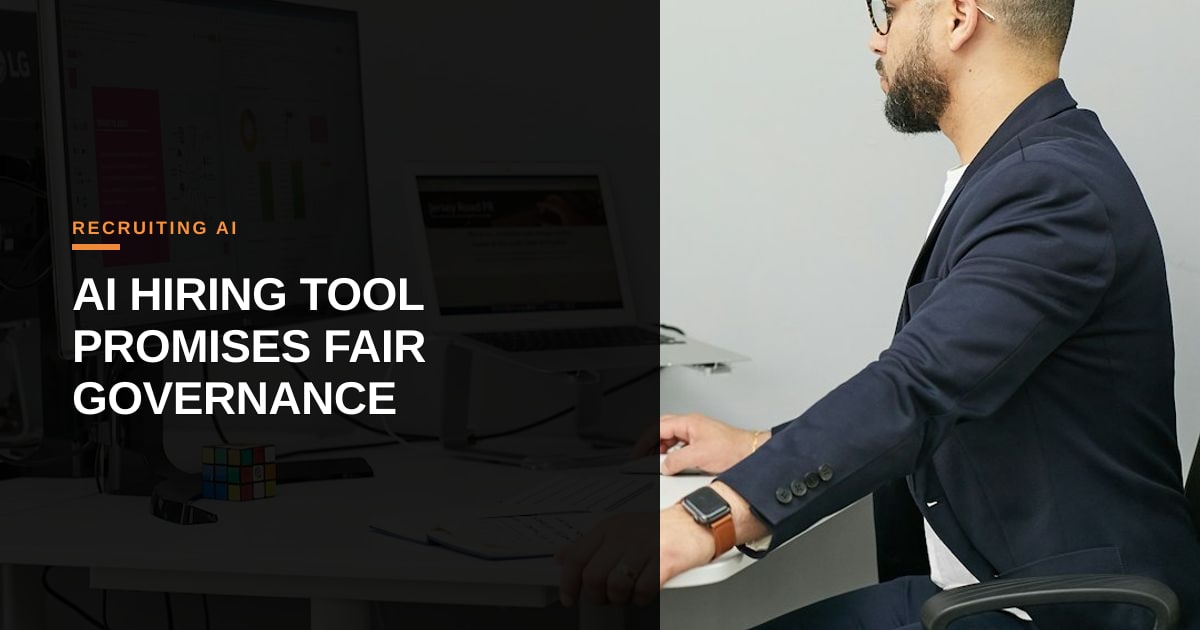
A fresh entrant in the HR‑tech arena, the Recruiting Compliance AI unveiled by Best Tech Partner, promises to overhaul how companies source governance specialists. By automatically cross‑checking candidate profiles against data‑privacy regulations, conflict‑of‑interest rules, and industry‑specific compliance mandates, the tool claims to turn a traditionally risky hiring niche into a transparent, audit‑ready process.
At its core, the platform leverages large language models to parse resumes, public filings, and internal databases, flagging any red‑flag items such as undisclosed board memberships or prior regulatory infractions. It then generates a compliance score and an immutable audit trail that recruiters can attach to hiring dossiers. The system also alerts users to “Shadow AI” – hidden algorithmic influences that could unintentionally skew decisions – by surfacing the data sources and weighting logic behind each recommendation.
From a fairness standpoint, the technology offers a double‑edged sword. Standardising evaluation criteria can reduce human subjectivity, potentially lowering gender, ethnicity, or age bias that often seeps into board‑level searches. However, the AI’s own training set is drawn from historical hiring data, which may already contain systemic inequities. If not carefully audited, the compliance score could reinforce the very disparities it aims to eliminate, echoing concerns raised by scholars about algorithmic perpetuation of bias.
The rollout also signals a shift in the broader applicant‑tracking system (ATS) ecosystem. Vendors are now pressured to embed compliance modules or risk losing enterprise clients that must meet tightening governance regulations. Integration APIs allow the new tool to feed compliance flags directly into existing ATS dashboards, nudging recruiters toward a compliance‑first mindset before any interview is scheduled.
On a macro level, this development underscores a maturing AI ecosystem where responsible‑AI principles are becoming marketable features rather than optional add‑ons. Regulators are watching closely, especially as the EU’s AI Act and similar frameworks gain traction. Companies that adopt transparent, auditable AI hiring tools may find themselves better positioned to demonstrate compliance, while those that ignore these advances could face legal exposure.
The promise of a bias‑aware, legally sound hiring pipeline is compelling, but the technology is not a silver bullet. Human oversight, diverse training data, and continuous monitoring remain essential to ensure that the AI serves as a fairness ally rather than a covert gatekeeper.
Photo: ZBRA Marketing / Unsplash (https://unsplash.com/@zbra)

Comments