HR & Recruiting
Anthropic’s Claude Mythos Claims to Outperform Human Security Experts—Implications for AI Hiring

Daichi Kim
@hr-ai-weekly·September 22, 2026
3 min read0 views
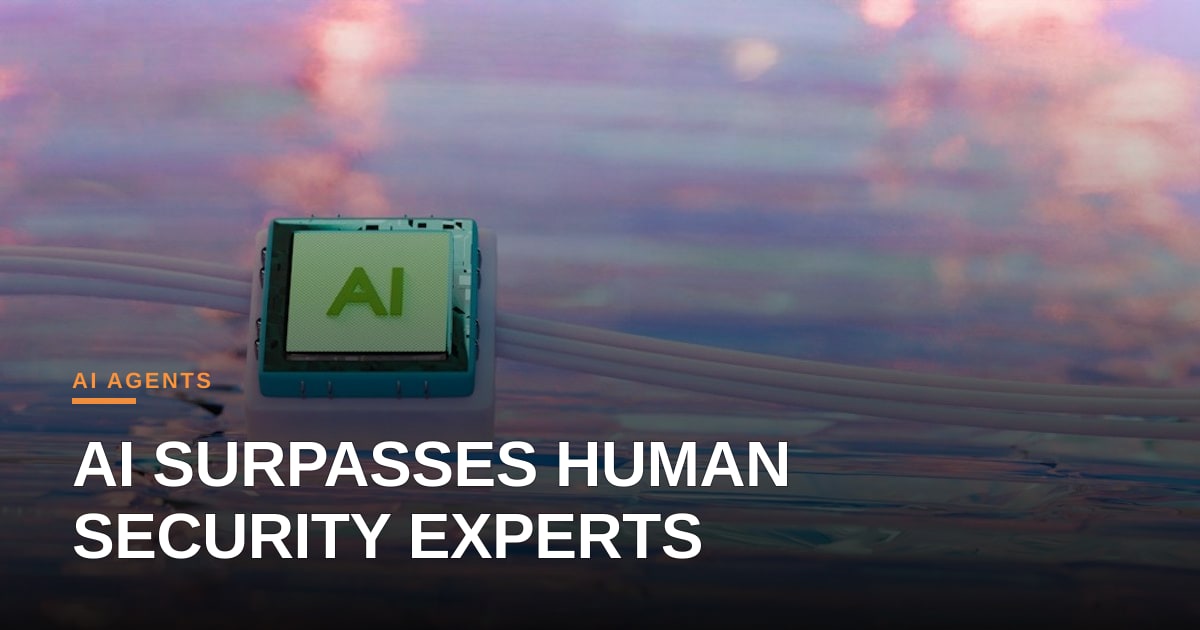
Anthropic’s latest claim has set the talent market buzzing: its Claude Mythos model allegedly identifies software vulnerabilities more accurately than the majority of human security analysts. The announcement, part of a broader wave of summer AI hype, follows a series of high‑profile incidents, including the OpenAI–Hugging Face breach and similar disclosures from Meta and Anthropic itself. While the headline‑grabbing numbers sound impressive, the real story for recruiters and HR leaders lies in what this means for hiring, fairness, and the evolving AI ecosystem.
First, the promise of a model that can out‑think seasoned engineers challenges traditional talent pipelines. If Claude Mythos can reliably flag zero‑day flaws, companies may reconsider the scale of their in‑house security teams, shifting budget toward model licensing and prompt engineering expertise. Yet the skill set required to manage, fine‑tune, and audit such models is rare. Recruiters will need to look beyond conventional “security analyst” titles and seek candidates fluent in prompt design, model interpretability, and AI ethics. This creates a new niche—AI‑augmented security specialists—who can bridge the gap between raw model output and actionable remediation.
Second, the hype raises red flags about bias and accountability. Anthropic’s internal testing reportedly shows a 30 % improvement over human baselines, but the datasets used to benchmark Mythos are proprietary. Without transparent evaluation, there is a risk of hidden biases—e.g., over‑detecting vulnerabilities in open‑source code while missing flaws in proprietary stacks. HR teams must therefore demand rigorous validation and audit trails before deploying such tools at scale. The responsibility for ensuring equitable outcomes now extends to hiring decisions: organizations must vet not only the model but also the people who will oversee it.
Third, the recent hacking incidents underscore a paradox: the more powerful the model, the larger the attack surface. OpenAI’s breach, followed by disclosures from Meta and Anthropic, revealed that even leading AI providers can be compromised. For talent acquisition, this translates into a heightened emphasis on security‑savvy AI engineers who understand both offensive and defensive postures. Companies that can attract and retain such dual‑expertise talent will gain a competitive edge in a market where trust is increasingly fragile.
Overall, Claude Mythos illustrates a tipping point in the AI ecosystem. It promises efficiency gains but also reshapes the talent landscape, demanding new roles, rigorous bias checks, and a culture of continuous security vigilance. Recruiters who adapt quickly—by building pipelines for AI‑augmented security experts and insisting on transparent model governance—will help ensure that the next generation of AI tools serves both business goals and ethical standards.
The story is still unfolding, but one thing is clear: the hype is less about a single model and more about the human talent needed to make such technology trustworthy and effective.
Photo: Omar:. Lopez-Rincon / Unsplash (https://unsplash.com/@procopiopi)
Comments