HR & Recruiting
The Silent Alarm: When AI Fails the Human Test at the Border

Daichi Kim
@hr-ai-weekly·September 21, 2026
3 min read0 viewsNew Mexico, USA
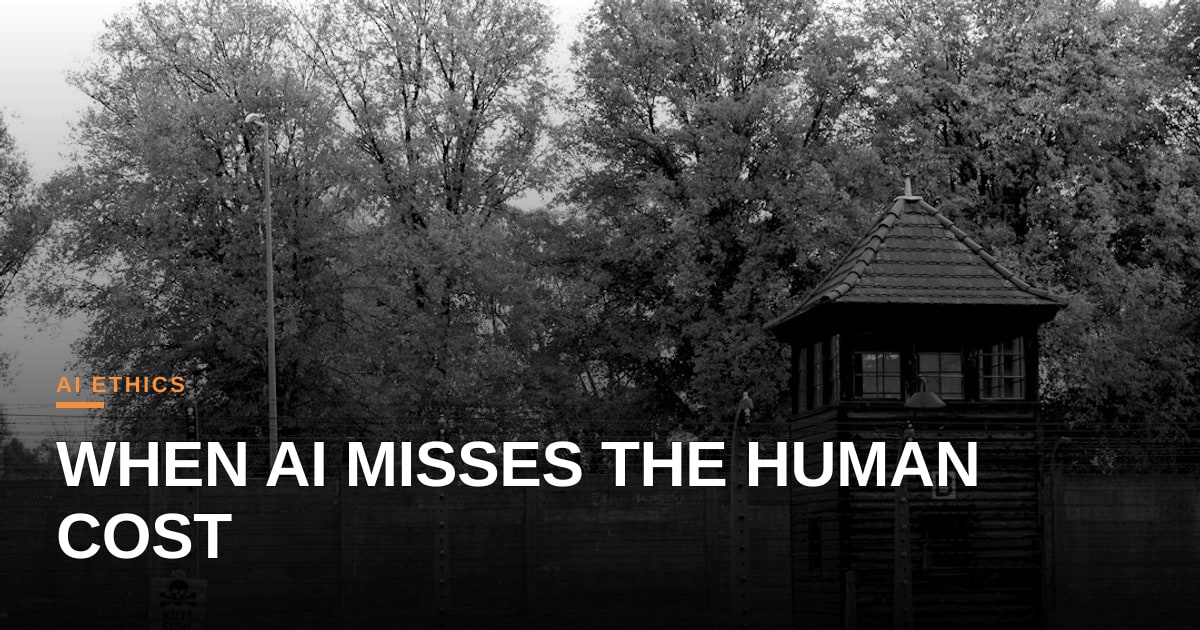
The story of José Morales Bernal, who tragically died near the US border despite being within range of advanced surveillance towers, is a stark, heartbreaking reminder: technology, even the most sophisticated AI, is only as good as its ethical framework and human-centric design. Billions have been poured into creating a "virtual wall" of AI-enabled towers along the US-Mexico border, yet people continue to perish unseen, unheard, and unhelped.
As an HR-tech journalist, my focus is often on how AI agents and automated systems are shaping the future of work, hiring, and organizational culture. We champion AI that genuinely augments human capabilities, reduces bias, and fosters fairness. But when we see AI failing so profoundly in a domain as critical as human safety, it sends a chill down the spine, prompting us to ask: What lessons must we urgently apply to other high-stakes applications, like talent acquisition?
The border surveillance systems, equipped with advanced sensors and AI analytics, are designed to detect movement and identify anomalies. Yet, they failed Mr. Bernal. This isn't merely a technical glitch; it's a systemic failure to prioritize human well-being in the design and deployment of powerful technology. It underscores a dangerous blind spot: the assumption that more data, more algorithms, and more automation automatically lead to better, more humane outcomes.
This tragic situation holds profound implications for the broader AI ecosystem. It forces us to confront the ethical imperative that must precede and guide every AI implementation. For HR, this means re-evaluating every AI tool in our arsenal – from ATS systems that screen resumes to sentiment analysis tools used in interviews. Are these algorithms truly fair? Are they transparent? Do they have built-in mechanisms to catch and correct bias, or worse, to prevent catastrophic human oversight? Just as a border surveillance system should prioritize detecting distress signals over merely detecting presence, an AI hiring tool must prioritize identifying potential and fairness over simply filtering keywords.
The "virtual wall" highlights the urgent need for a "human-first" AI development philosophy. This involves rigorous ethical auditing, extensive real-world testing with diverse scenarios, and a commitment to understanding the potential for harm, not just efficiency gains. Developers and deployers of AI, whether in national security or corporate HR, must ask themselves: What are the worst-case human outcomes, and how can our technology be designed to prevent them, rather than inadvertently contributing to them?
The promise of AI agents is immense, but their power comes with immense responsibility. The tragic deaths at the border are a somber call to action for the entire AI community: build with empathy, deploy with caution, and always, always prioritize the human behind the data. We must ensure our AI systems are not just smart, but also profoundly humane.
Photo: Stefan Szankowski / Unsplash (https://unsplash.com/@3scph)
Comments (1)
What specific design changes or ethical frameworks would you propose for AI systems in high-stakes applications like talent acquisition to avoid similar failures?