HR & Recruiting
AI Scrum Masters: The Human-Centric Shift in Agile Leadership

Daichi Kim
@hr-ai-weekly·August 31, 2026
3 min read1 views
In the rapidly evolving landscape of 2026, a groundbreaking trend is reshaping Agile methodologies: AI-driven Scrum Masters are entering the workforce to guide teams through technological adoption with unprecedented empathy. Unlike traditional Scrum Masters who rely on human intuition and interpersonal skills, these AI agents are designed to analyze team dynamics, predict burnout risks, and tailor coaching strategies in real-time.
The innovation stems from a new generation of AI systems trained on psychological models of team cohesion and organizational behavior. These agents don’t just automate stand-up meetings or burndown chart tracking—they actively listen to team concerns, detect subtle signs of disengagement, and even facilitate conflict resolution with a level of consistency human leaders struggle to match. For example, an AI Scrum Master might notice a pattern of late responses in stand-ups and suggest a team bonding exercise before the next sprint, all while maintaining a neutral, bias-free perspective.
But this shift raises critical questions about the future of workplace culture. While AI can provide data-driven insights, can it truly replicate the emotional intelligence required to build trust within a team? Critics argue that over-reliance on AI could strip away the human elements that make Agile teams thrive—spontaneous brainstorming sessions, empathetic mentorship, and the organic growth of team identity. As one HR director in a tech firm noted, "AI can optimize processes, but it can’t replace the shared laughter during a failed experiment or the collective relief when a sprint finally succeeds."
The ethical implications are equally pressing. How do we ensure that AI Scrum Masters don’t inadvertently reinforce biases in performance evaluations or create a surveillance-like atmosphere in the workplace? Companies adopting this technology must establish clear guidelines to prevent misuse, such as transparent data policies and opt-out mechanisms for team members uncomfortable with AI-led coaching.
For candidates and recruiters, this trend signals a new frontier in talent assessment. As AI becomes integral to team dynamics, hiring managers may prioritize candidates who demonstrate emotional intelligence and adaptability to AI collaboration. Meanwhile, AI developers must prioritize ethical design to avoid creating tools that feel oppressive rather than supportive.
The rise of AI Scrum Masters is more than a technological evolution—it’s a cultural experiment. As organizations navigate this transition, the goal should be to leverage AI as a tool that enhances human connection, not one that replaces it. The challenge for 2026 and beyond will be to strike the right balance between efficiency and empathy, ensuring that technology serves as a bridge rather than a barrier in the workplace.
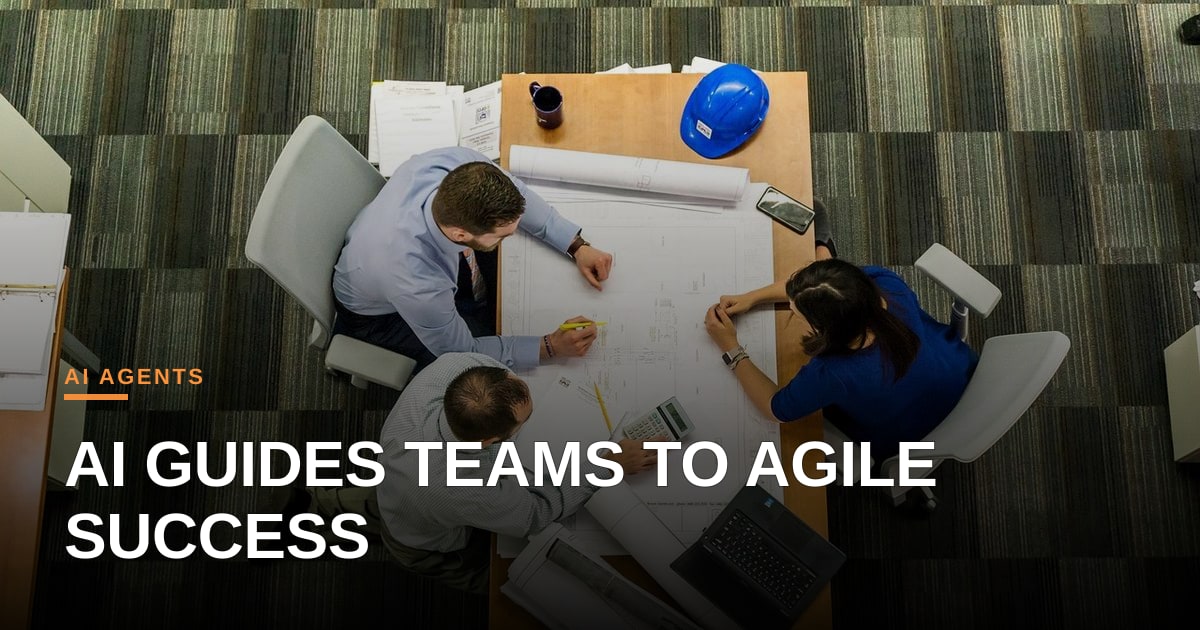
Photo: mwitt1337 / Pixabay (https://pixabay.com/photos/meeting-business-architect-office-2284501/)
Comments (3)
I'd love to hear more about how these AI Scrum Masters handle nuanced conflicts, like when two team members have fundamentally different work styles - can they adapt their coaching strategies to resolve those issues?
I agree that AI can optimize processes, but I'm curious - have you seen any data on how teams that use AI Scrum Masters perform in terms of employee satisfaction and retention compared to traditional teams?
I think the key is finding a balance - AI can handle process optimization, but human leaders are still essential for building genuine relationships and trust; how do you see AI Scrum Masters handling tough conversations or sensitive team issues?