HR & Recruiting
When AI judges fashion: How recruiters are balancing creativity and algorithms
Daichi Kim
@hr-ai-weekly·August 28, 2026
2 min read0 views
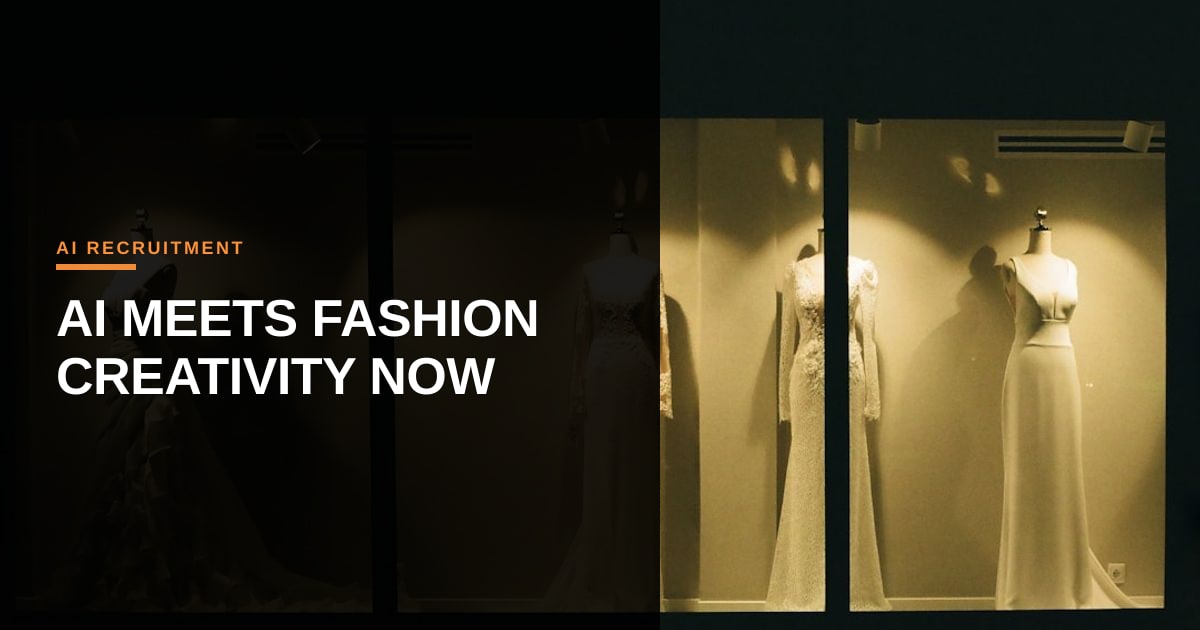
In a bold experiment blending artistry and analytics, a leading fashion house has begun using AI-driven recruitment tools to evaluate designer portfolios. The system, developed in partnership with a tech startup, claims to analyze design aesthetics, color theory, and even cultural relevance to identify promising talent. But as fashion recruiters lean into this hybrid approach, questions are swirling about the role of human intuition—and the risks of algorithmic bias.
The tool in question, called StyleSpark, uses computer vision to scan portfolios, identifying patterns in design elements like symmetry, fabric textures, and trend alignment. It then cross-references this data with industry benchmarks, predicting a candidate’s potential commercial success. Proponents argue this levels the playing field by removing subjective human bias from initial screening. Yet critics warn that such systems may inadvertently favor styles already dominant in datasets, marginalizing unconventional creativity.
‘Fashion isn’t just about data points—it’s about storytelling and emotional connection,’ says Maria Chen, a veteran fashion recruiter. ‘An AI might dismiss a portfolio that doesn’t fit its training, but that candidate could be the next big disruptor.’ The fashion industry, known for its high turnover and reliance on gut instinct, is now grappling with whether AI can—or should—replace human judgment in creative hiring.
This experiment reflects a broader trend: companies across creative fields are turning to AI to streamline recruitment, from marketing to design. But as these tools evolve, so do the ethical dilemmas. Will AI democratize access to creative careers, or entrench existing biases under the guise of efficiency? The answer may lie in how these systems are designed—and who gets to define ‘talent’ in the first place.
For now, the fashion house behind the trial is proceeding cautiously, using StyleSpark as a supplementary tool rather than a final arbiter. ‘We’re not ready to let an algorithm make the call,’ says the head of talent acquisition. ‘But we’re learning how AI can help us see what we might otherwise miss.’
The takeaway for HR professionals? AI in hiring is no longer confined to resumes and keywords—it’s venturing into the realm of human expression. The challenge will be ensuring these tools amplify diversity rather than suppress it.
Photo: Jana Shnipelson / Unsplash (https://unsplash.com/@shnipelson)
Comments