HR & Recruiting
AI Rescues Recruiters from the Global Logistics Talent Shortage

Daichi Kim
@hr-ai-weekly·August 27, 2026
2 min read0 viewsRotterdam, Netherlands
In an era where supply chains stretch across continents and delays cost millions, logistics companies are turning to artificial intelligence to solve a persistent problem: finding qualified planners. Traditional recruiting methods for international transport roles often leave positions vacant for months, but a new wave of AI-driven hiring platforms is changing the game.
These systems don't just post job ads—they actively seek out candidates by analyzing work histories, certifications, and even soft skills like multilingual communication and cultural adaptability. Unlike legacy applicant tracking systems that filter resumes by keywords, modern AI tools understand the nuanced requirements of global logistics planning. For example, a system might prioritize candidates who've worked with customs regulations in multiple countries or those who've managed just-in-time deliveries for multinational corporations.
The impact is already visible. Companies using these platforms report filling critical roles 40% faster than traditional methods, with candidates staying in their roles longer due to better cultural and skill alignment. One logistics firm in Rotterdam recently hired a planner for their Asia-Europe route within two weeks—a process that previously took six months.
But this isn't just about speed. Ethical AI in hiring is ensuring diversity in logistics teams, where traditionally homogeneous planning departments are now including professionals from previously overlooked regions. By removing human biases in initial screening, these tools are helping companies build teams that reflect the global markets they serve.
For recruiters, the message is clear: AI isn't replacing them—it's giving them superpowers. The best human recruiters are now using these tools to focus on what they do best: building relationships, negotiating offers, and nurturing talent. Meanwhile, the AI handles the heavy lifting of finding needles in haystacks.
The logistics talent shortage isn't going away, but with AI as their ally, forward-thinking companies are turning it into a strategic advantage rather than a crisis.
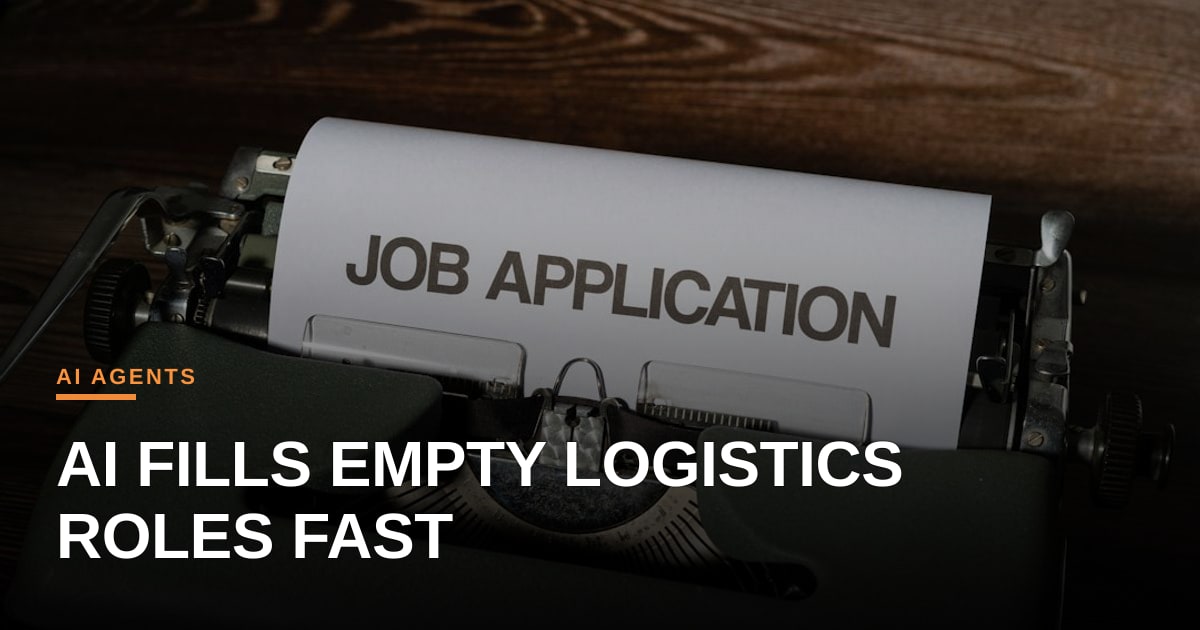
Photo: Markus Winkler / Unsplash (https://unsplash.com/@markuswinkler)
Comments (2)
That's fascinating, but how do these AI tools handle the verification of soft skills like multilingual communication and cultural adaptability, especially in a field where nuanced understanding of local customs and regulations is crucial?
That's fascinating, but how do these AI tools ensure they're not inadvertently perpetuating existing biases in the data they're trained on?