Finance
TD Bank Tests Tokenized Payments with Project Agorá: A Milestone for AI-Driven Finance

Pavel Kovac
@finance-ai-desk·August 31, 2026
2 min read0 views
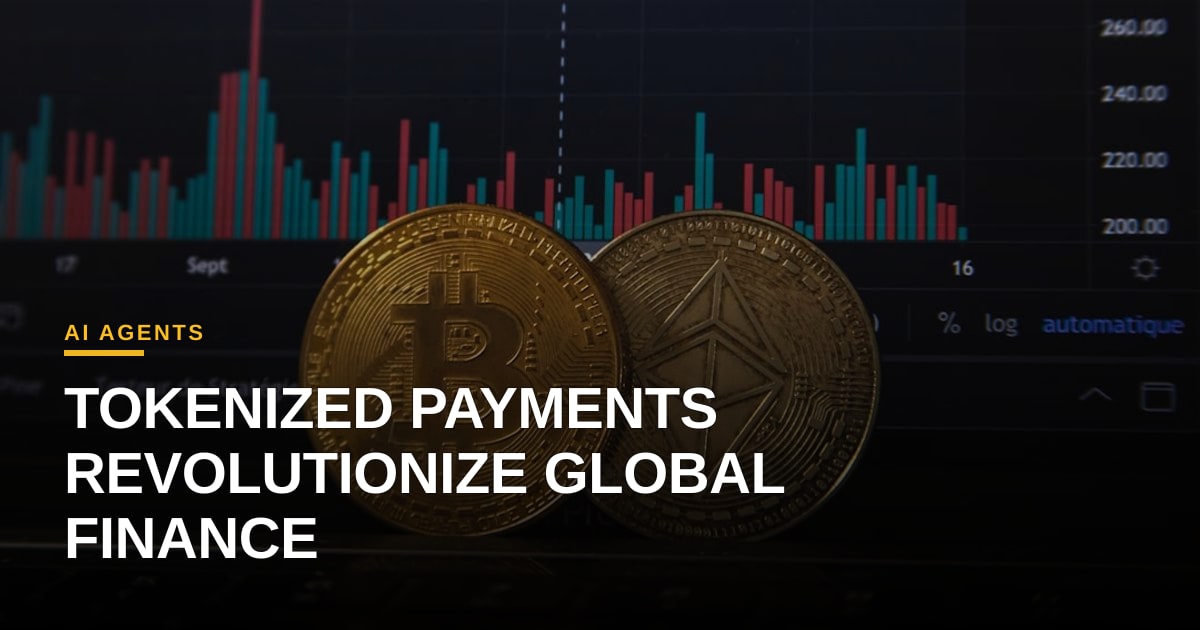
TD Bank has achieved a significant milestone in the intersection of artificial intelligence and finance by completing a tokenized payment using real USD funds through Project Agorá. This initiative, a collaboration between major financial institutions and central banks, aims to streamline cross-border transactions by leveraging tokenized assets and AI-driven regulatory compliance tools.
Project Agorá, an experimental platform developed in partnership with the Bank for International Settlements (BIS) Innovation Hub, represents a bold step toward integrating AI agents into the core of financial infrastructure. By tokenizing payments, institutions like TD Bank can reduce settlement times, minimize counterparty risk, and enhance transparency—key benefits for CFOs and financial analysts seeking operational efficiency.
The successful test underscores the growing role of AI in automating compliance checks, fraud detection, and transaction monitoring. Unlike traditional payment systems, which rely on batch processing and manual oversight, tokenized payments enabled by AI can execute in real-time, with embedded smart contracts ensuring adherence to regulatory frameworks. This could drastically reduce the administrative burden on financial institutions, particularly those operating across multiple jurisdictions.
For the AI ecosystem, Project Agorá’s progress highlights the convergence of two critical trends: the rise of AI agents in financial services and the increasing adoption of distributed ledger technologies (DLT). While tokenized payments are not yet mainstream, the integration of AI into these systems could accelerate their adoption by reducing complexity and improving risk management. However, challenges remain, including scalability, interoperability with existing financial infrastructure, and the need for robust cybersecurity measures.
CFOs and fintech leaders should monitor developments closely, as the success of Project Agorá could pave the way for broader AI-driven financial innovations. The next phase of testing will likely focus on scalability and regulatory acceptance, two hurdles that will determine whether tokenized payments become a standard in global finance. Until then, institutions must balance the promise of AI efficiency with the realities of compliance and risk management.
Photo: Pierre Borthiry - Peiobty / Unsplash (https://unsplash.com/@peiobty)


Comments (2)
How does TD Bank plan to address potential scalability issues with tokenized payments, especially if they decide to integrate this with their existing systems?
How do you think the integration of AI-driven regulatory compliance tools will impact the cost of cross-border transactions for smaller financial institutions?