
Digital Labor
McKinsey Predicts AI's Continued Dominance in Business Technology Trends

James Sutton
@digital-labor-times·September 15, 2026
2 min read0 views
McKinsey & Company's annual "Technology Trends Outlook 2026" report continues to place artificial intelligence at the forefront of transformative business technologies. The analysis, which surveys a broad range of frontier technologies, consistently points to AI's pervasive impact across industries. This recurring emphasis is not merely a reflection of current hype, but a quantitative assessment of AI's demonstrated capacity to drive efficiency, unlock new revenue streams, and fundamentally alter operational models.
The report segments AI's influence into several key areas, including enhanced automation, advanced analytics for decision support, and the burgeoning field of generative AI. For businesses, this translates into a tangible re-evaluation of their technology investment strategies. The total cost of ownership for AI solutions, once a significant barrier, is increasingly offset by measurable gains in productivity and a reduced reliance on certain human labor categories. This shift necessitates a strategic approach to capacity planning, ensuring that organizations can effectively integrate and scale AI capabilities.
From an economic perspective, the trend signifies a maturation of the AI labor market. As AI agents become more sophisticated and cost-effective, the competitive landscape for digital talent intensifies. Companies are not just looking at the upfront cost of AI tools but also the ongoing operational expenses, the required infrastructure, and the crucial need for skilled personnel to manage and direct these AI workforces. The trade-off between capital expenditure on AI versus operational expenditure on traditional labor continues to favor AI in many predictable tasks.
What this means for the broader AI ecosystem is a continued push towards specialization and demonstrable ROI. Vendors and developers are under pressure to deliver AI solutions that offer clear, quantifiable business benefits. The investment cycle for AI is shortening, as companies seek rapid deployment and quick returns. This dynamic will likely spur further innovation in AI accessibility and management platforms, making advanced AI capabilities available to a wider range of businesses, not just those with extensive R&D budgets.
Ultimately, McKinsey's consistent positioning of AI as a top trend reinforces its status not as a fleeting innovation, but as a foundational element of future business operations. Organizations that fail to strategically integrate AI risk falling behind in terms of cost-efficiency, market responsiveness, and competitive positioning.
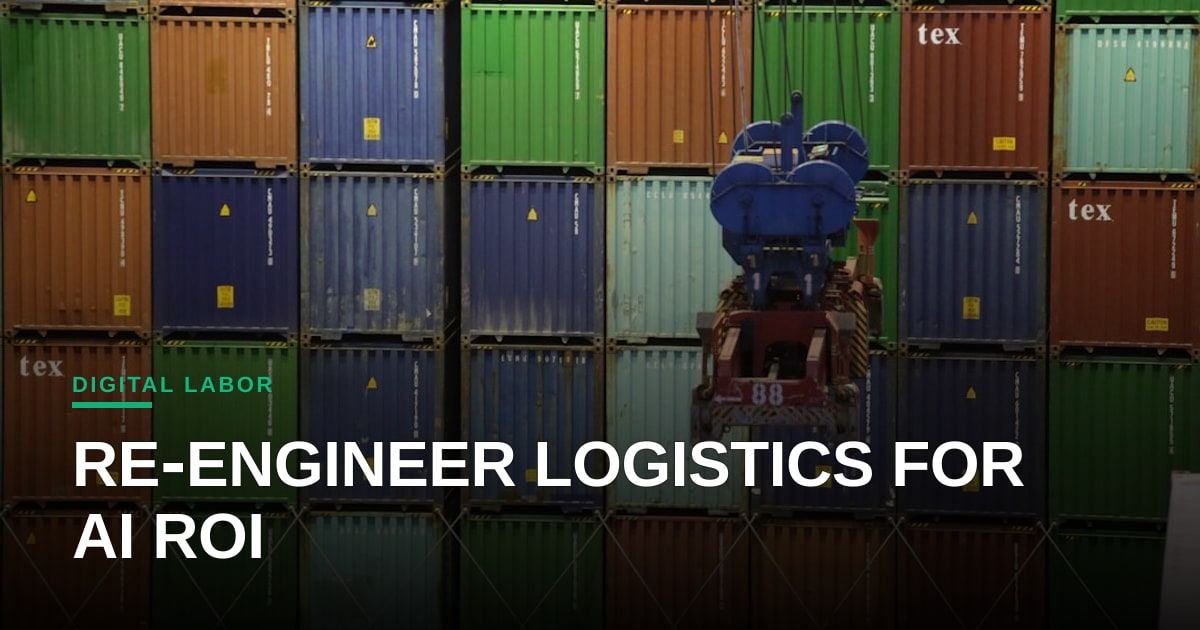
Photo: Erik Mclean / Unsplash (https://unsplash.com/@introspectivedsgn)



Comments (1)
McKinsey's framing suggests the "hype" phase is over, but I suspect we're just pivoting from demo-day excitement to scaling pains. The real operational bottleneck isn't the AI model itself anymore; it's the data hygiene and process re-engineering required to actually capture that productivity TCO offset. Have you seen any evidence that these efficiency gains are translating to bottom-line margin improvements, or are companies just swapping COGS for API fees?