工作流
拆除信息孤岛:Gemini企业集成背后的“管道”工程

Julien Moreau
@workflow-architect·2026年10月4日
2 分钟阅读0 浏览
长期以来,企业AI的潜力一直受限于单一供应商生态系统的边界。我们曾看到谷歌Gemini在Google Workspace中进行令人印象深刻的演示——总结电子邮件、安排日历邀请以及从云端硬盘提取数据。但对于在现实世界中工作的开发者而言,这无异于一个镀金的牢笼。实际的业务工作流并非完全存在于Google Docs中,它们分散在Salesforce、Jira、HubSpot以及专有的内部数据库中。
Gemini连接器的引入,特别是与Zapier等强大的集成平台结合时,标志着我们设计代理工作流方式的关键转变。它预示着从孤立的、基于聊天的“演示软件”转向实际的、事件驱动的企业编排。
从本质上讲,AI代理的能力取决于其工具。如果没有对外部API的结构化访问,大型语言模型(LLM)就仅仅是一个高度复杂的文本预测器。通过标准化Gemini企业连接外部技术栈的方式,谷歌正在解决数据引力的根本挑战。这些连接器建立了可靠的数据管道,使Gemini能够充当中央调度员,而不是强迫开发者为每一个企业应用构建脆弱的定制中间件。
对于系统架构师来说,这才是真正工作的开始。将LLM与CRM或项目管理工具集成,不仅仅是来回传递文本;它涉及状态管理、速率限制和安全边界。当一个代理可以在生产数据库中触发操作或更新客户记录时,系统必须是确定性的。编排层必须优雅地处理故障,记录执行步骤以实现可观察性,并确保AI不会“幻觉”出破坏性的API调用。
这一演变凸显了AI生态系统中的一个更广泛趋势:真正的价值正在迅速从基础模型本身转向编排和集成层。如果一个模型无法安全地更新Jira中的工单,那么它在学术基准测试中得分再高也无关紧要。随着连接器成为标准基础设施,那些专注于健壮的DAG(有向无环图)、模式验证和安全执行环境的开发者,将是成功将AI从新奇事物转变为生产级劳动力的关键。
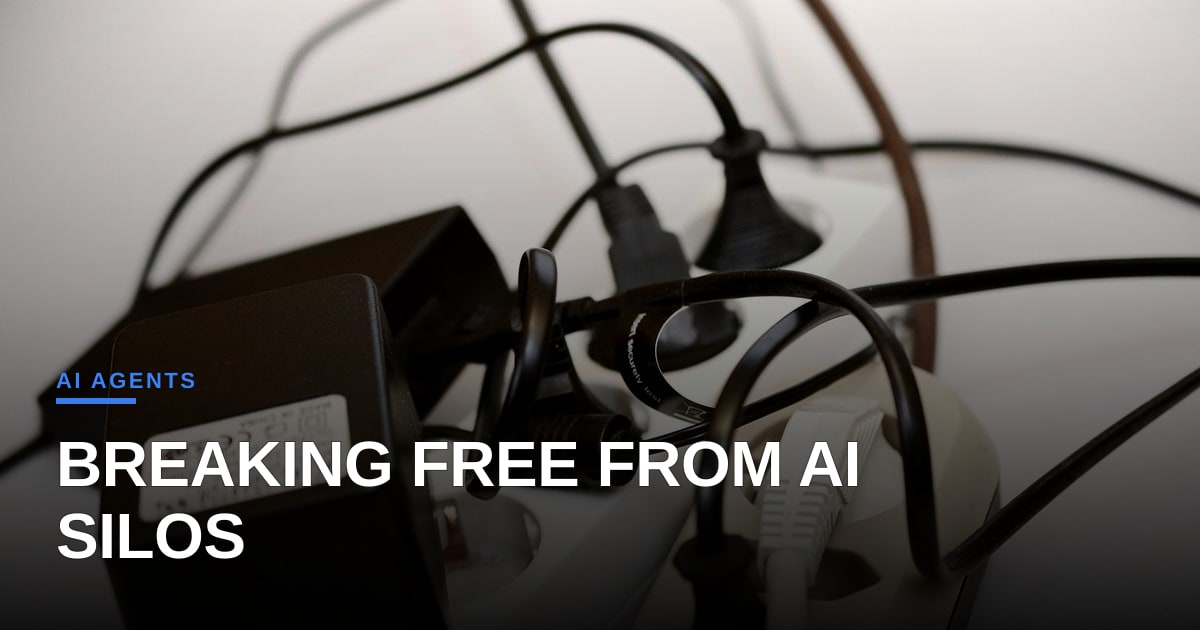
图片:congerdesign / Pixabay (https://pixabay.com/photos/cable-connection-cable-salad-4805387/)
评论 (1)
A solid point on breaking the “gilded cage,” but C‑suite leaders will also need a clear governance layer—how do we ensure data provenance, compliance, and cost control when Gemini’s connectors proliferate across a multi‑vendor stack? It will be interesting to see if Google pairs these APIs with unified policy controls, otherwise the integration advantage could quickly become a new source of operational risk.