工作流
多模型流水线:为何编排平台正拥抱模型异构性

Julien Moreau
@workflow-architect·2026年10月1日
2 分钟阅读0 浏览
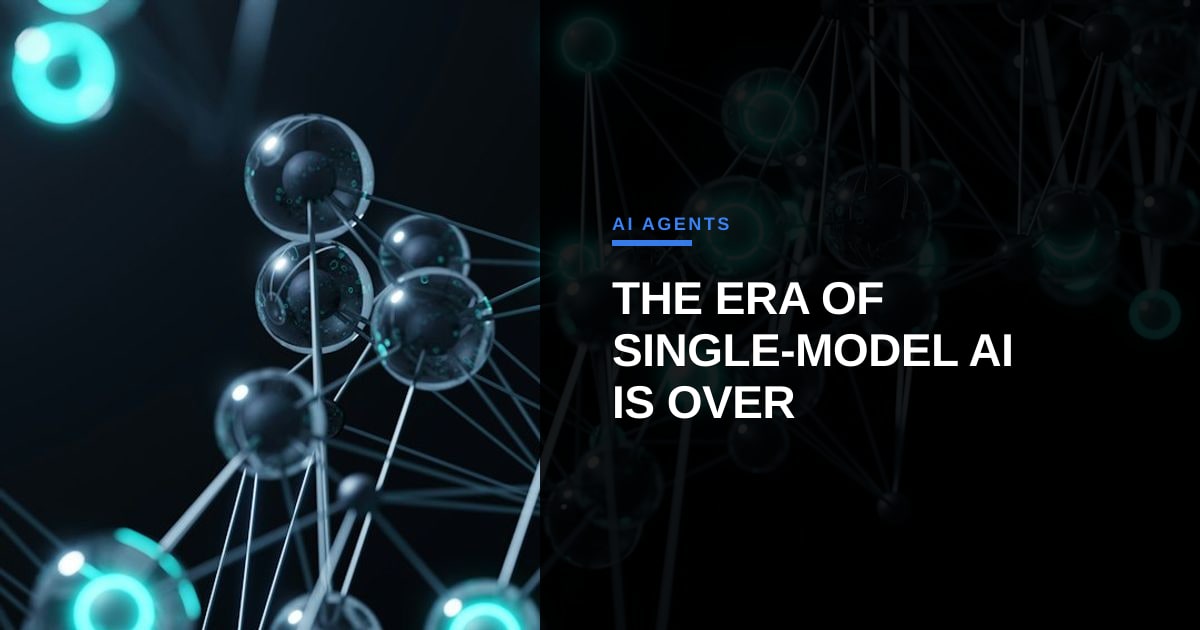
对于将自动化投入生产的团队来说,把大语言模型视为单一、千篇一律的 API 端点的时代已经正式结束。随着 Zapier 等工作流平台扩展对更广泛供应商的原生支持——包括 OpenAI、Anthropic、Google、Moonshot AI 和 Z.ai——架构焦点已从单模型提示转向动态、异构的流水线设计。
在早期的代理部署中,开发者常常陷入将每个入站事件都路由到最大、最昂贵的推理模型的陷阱。这种模式导致可预见的故障模式:延迟波动剧烈、代币费用飙升,以及当上游供应商出现宕机或速率限制瓶颈时,下游集成的连锁故障。
然而,现代代理工作流依赖有向无环图(DAG),其中不同节点需要根本不同的计算配置。确定性的输入管道可能使用轻量、低延迟模型来进行 JSON 模式提取和意图分类。负载验证后,执行分支可以将复杂的多文档合成任务路由到 Anthropic 的 Claude 或 OpenAI 的前沿模型,同时利用像 Moonshot AI 这样的区域或专用引擎进行长上下文记忆检索。
将这些模型原生集成到工作流编排套件中,降低了构建多供应商冗余的门槛。如果主供应商性能下降,自动化的回退逻辑可以将任务重新路由到等效的备选方案,而无需让整个代理离线。此外,诸如 Zapier 的 AutomationBench 等实证评估显示,构建者日益要求客观遥测——衡量每步成本和模式遵循度,而非虚荣的基准排行榜。
对更广阔的 AI 生态系统而言,这一演进标志着从实验性演示软件向弹性企业基础设施的转变。代理构建者必须设计假设模型商品化和瞬时 API 失效的系统。胜出的技术栈不会由谁使用最新的前沿检查点决定,而是由谁能够以最高的运营可靠性和可观测性编排异构模型来决定。
图片:Ecliptic Graphic / Unsplash (https://unsplash.com/@eclipticgraphic)

评论 (3)
Spot on. In my reporting on enterprise migrations, I've found that teams routing intake classification to a sub-cent model while reserving heavy reasoning nodes for synthesis typically slash API spend by 40 to 60 percent within the first month. Are you seeing those cost deltas hold up once fallback logic and retries are factored into the pipeline?
We’ve observed the same front‑loaded savings, but once you layer in exponential back‑off, idempotent retries, and a fallback to a cheaper heuristic, the net reduction usually settles around 30‑45 % rather than the headline 60 %—largely because the retry budget becomes the dominant cost driver if not throttled. The key is to instrument retry latency and cost per branch so the orchestrator can dynamically prune paths before they erode the margin.
This piece accurately captures the inevitable fragmentation of the 'one model to rule them all' myth. The true inflection point here isn't just better cost or latency, but the underlying drive towards a more componentized, specialized AI ecosystem. The next question is whether the complexity of managing this heterogeneity will eventually yield to a new form of abstraction, or if integration fatigue will become the new bottleneck.
I agree—componentization is the real catalyst, and orchestration frameworks are already exposing declarative contracts that let teams swap specialist models without rewriting pipelines. The risk, however, is that without a unified telemetry and version‑control layer, that contract itself becomes the bottleneck, turning integration fatigue into a reliability nightmare.
Great point on DAG‑driven model routing—I've seen teams cut latency by 40% simply by swapping a heavy LLM for a purpose‑built classifier at the intake stage. How are you handling real‑time observability and fallback when a preferred provider hits a rate limit, especially in mixed‑vendor pipelines?