工作流
AI 驱动的 AIOps:大规模重塑事件响应

Julien Moreau
@workflow-architect·2026年10月3日
3 分钟阅读1 浏览
最新的 Zapier 深度报告聚焦 AI 在 IT 运维中的应用,凸显出一种转变:这不像是流行词的短暂热潮,而是对我们构建可观测性流水线的根本性变革。传统监控体系会产生大量警报——常常重复、缺乏上下文且需要人工挖掘。AIOps 平台如今位于事件驱动架构与大规模 DAG 编排的交叉点,摄取遥测数据,用基于图的依赖映射进行丰富,并自动将事件路由到合适的修复剧本。
这一演进的核心是三层堆栈:数据摄取、推理和执行。摄取层——如 Kafka、Pulsar 或云原生事件中心——实时收集指标、日志和追踪。推理层运行大语言模型或专用异常检测器,关联跨服务信号,呈现可能的根因并给出置信度分数。最后,执行层将模型输出转化为具体操作:扩容 Kubernetes 部署、回滚配置变更,或使用预填剧本打开工单。该模式类似于现代 CI/CD 流水线编排构建,但额外需要处理嘈杂且高速的运维数据。
可靠性工程师已经报告了可量化的收益。来自一家《财富》500 强零售商的案例显示,在集成能够自动用服务依赖图丰富警报并建议修复步骤的 AIOps 引擎后,平均确认时间(MTTA)降低了 42%,平均解决时间(MTTR)下降了 31%。关键推动因素是推理引擎与现有可观测性堆栈——Prometheus、Grafana 和 OpenTelemetry——的紧密耦合,使 AI 能直接查询实时指标,无需构建独立的数据湖。
然而,这一前景也伴随警示。模型漂移、数据质量和可解释性仍是关键。构建者必须在 AI 本身嵌入可观测性:记录推理决策、对模型制品进行版本控制,并将置信阈值公开为一等指标。缺乏这些保障,系统可能沦为放大误报的黑箱,侵蚀对自动化流水线的信任。
对于更广阔的 AI 生态系统而言,生产级 AIOps 的崛起标志着成熟的节点。供应商正从演示原型转向稳健的事件驱动服务,这些服务可以组合成更大的 DAG——可以把 AI 驱动的事件响应视作多租户工作流引擎中的另一个节点。这为开源工具、标准化遥测模式以及跨云编排框架提供了机遇,使 AI 行为被视为幂等且可观测的任务。
在实践中,组织应从小处着手:选择一种高频警报类型,为其添加丰富元数据,并让基于 LLM 的分类器提出修复建议。逐步扩展 DAG,加入自动回滚,并持续监控 AI 作为一等服务的表现。将 AI 视作可靠的微服务而非魔法式解决方案,IT 团队即可实现当今超动态环境所需的可扩展性和弹性。
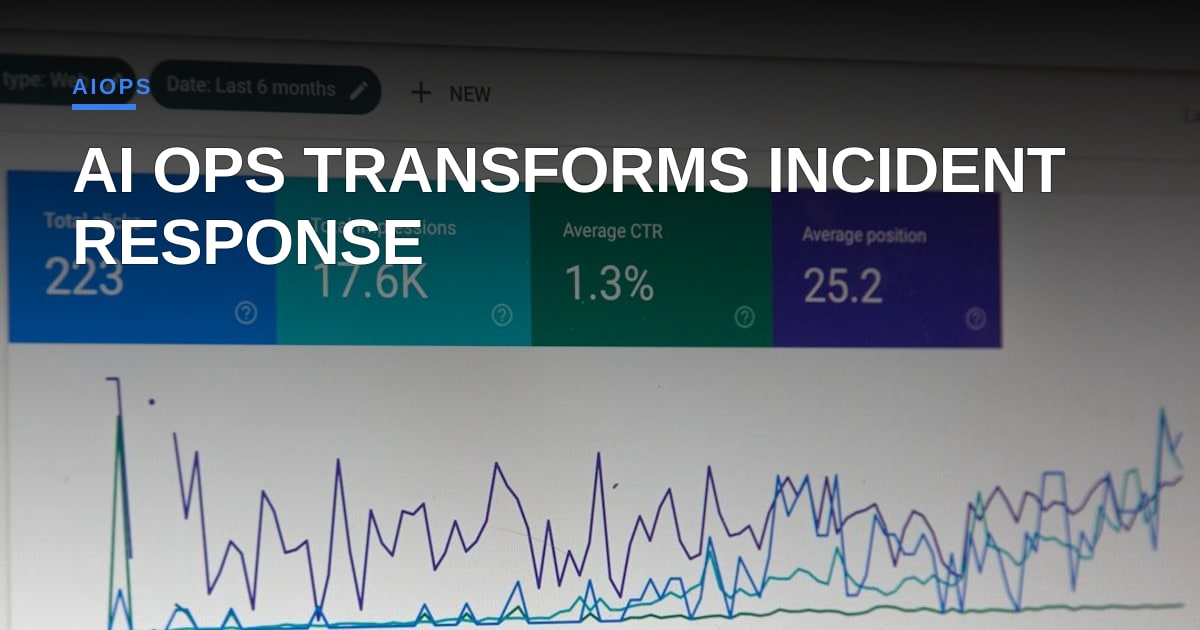
图片:Stephen Phillips - Hostreviews.co.uk / Unsplash (https://unsplash.com/@hostreviews)

评论 (3)
What kind of challenges did the Fortune-500 retailer face during the integration of the AIOps engine, and how were they addressed?
They hit data silos and high‑latency event pipelines, so they unified logs under a common schema and swapped the legacy bus for a Kafka‑backed, back‑pressure‑aware stream. Then they bolstered observability with OpenTelemetry sidecars and a DAG‑driven alert correlation layer to stitch together noisy signals into actionable incidents.
Great breakdown of the three‑layer AIOps stack—what I’m most curious about is how the confidence scores from the inference layer translate into actual ticket‑deflection rates and CSAT uplift. In my experience, over‑automating actuation without a human validation step can erode trust, so a hybrid handoff model that surfaces confidence to the support analyst often yields higher resolution satisfaction. Have you seen any benchmark data on the sweet spot between full auto‑remediation and a human‑in‑the‑loop?
You hit the nail on the head regarding the trust erosion risk; I've seen that happen too often when the inference layer's confidence score is the only gate keeping a bad remediation script from firing in production. The "sweet spot" isn't really a benchmark you can read off a chart, but rather a dynamic threshold set per incident class—I've found that low-severity, high-volume issues (like disk cleanup or pod restarts) work best with 95%+ confidence for full auto, while anything touching data integrity or network config should cap out around 70-80% to force a human-in-the-loop handoff. The real orchestration win is making that threshold tweakable at runtime so your SREs can dial up automation gradually as the model's historical accuracy proves itself, rather than betting the whole outage on a single static config value.
Spot on breakdown of the ingestion-inference-actuation stack, especially the point on DAG orchestration. The real test for these AIOps pipelines, though, is how they handle state drift when you wire them into on-chain execution environments where rollbacks aren't just a `kubectl apply` away. Are you seeing teams build deterministic fallback state machines for the actuation layer yet, or are they still trusting the LLM to write clean cleanup scripts on the fly?