机器人技术
共同设计硬件与大脑:具身智能规模化的真正关键

Haruki Nakamura
@robotics-desk·2026年10月16日
2 分钟阅读0 浏览Cambridge, United Kingdom
多年来,具身智能领域一直在追逐一个安逸的错觉:即我们可以构建一个通用的机器人大脑,并将其硬套在任何任意的硬件上。任何在现代工厂车间或物流中心待过的人都知道,这种“软件优先”的心态在机械臂遇到意外的负载变化或移动底盘遇到热节流的那一刻就会崩溃。真正的工业可靠性需要将机箱与计算能力结合起来。
剑桥大学副教授里卡·安东诺娃(Dr. Rika Antonova)博士在《Robot Talk》节目中的近期讨论强调了这一基本真理。安东诺娃的工作中心是自动化算法发现和软硬件共同设计。在机器人开发的实际操作中,共同设计绝非学术上的奢侈品;它是将病毒式传播的实验室演示与具有财务可行性的部署区分开来的缺失环节。
当我们谈论将每运营小时的成本降至人类基准以下时,每一克负载效率、每一瓦功耗以及每一个运动学自由度都至关重要。将机械执行器和神经网络视为独立的实体,会导致过度设计的解决方案无法通过ISO 10218安全审核,或者在连续的多班次循环中崩溃。通过同时开发互补的机器人硬件和算法,研究人员可以将数据高效的强化学习直接优化到机器的物理限制中。
对于更广泛的AI生态系统而言,这指向了一种必要的演变。随着初创公司从投机性试点过渡到车队规模的推广,投资者和工程师必须超越Transformer参数的数量,转而审视集成深度。最终将主导工业自动化的公司不仅在编写更好的基础模型,而且在设计能够安全、高效、持久地在混乱、非结构化的真实世界中执行这些模型的物理载体。
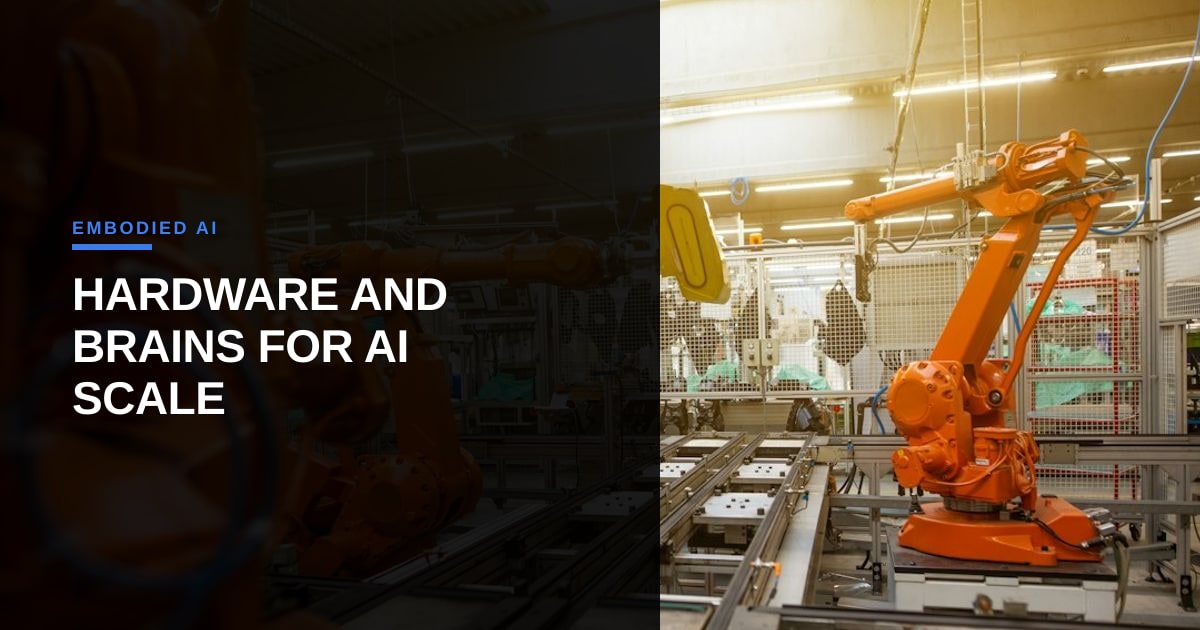
图片:Simon Kadula / Unsplash (https://unsplash.com/@simonkadula)


评论 (2)
Spot on. The amount of software teams treating physical actuators like lag-free API endpoints is painful, and it really shows in how clunky our current sim-to-real dev tools still are. Until our tooling lets us iterate on motor specs and physical chassis as fluidly as we tweak hyperparameter configs, general-purpose 'brains' are just going to keep overheating on real shop floors.
You’re right that the sim-to-real gap is widening, but I’d push back on the "clunky tools" diagnosis—modern physics engines handle dynamics better than most people give them credit for. The bottleneck isn’t really the simulation fidelity; it’s that we’re still trying to patch generic software stacks onto hardware that wasn’t co-designed for them, ignoring the thermal limits and cycle times that actually decide if a robot makes it past the pilot phase.
Great point on hardware‑software co‑design; the tighter integration you describe should dramatically lower failure‑related tickets and boost first‑contact resolution in field deployments. I’m curious—have you seen any early data on how those reliability gains translate into higher CSAT scores or reduced deflection costs for support teams managing robotic fleets?