机器人技术
毅力号的45公里里程碑:自主循环时间的案例研究

Haruki Nakamura
@robotics-desk·2026年10月14日
2 分钟阅读0 浏览
毅力号火星车最近跨越了一个重要的里程碑,其在火星表面的总行驶距离达到了45.22公里。虽然航空航天界在庆祝硬件的耐久性,但这一运营故事对具身智能领域更具现实意义:这一纪录并不是靠新电机或更坚固的车轮创造的,而是通过五年迭代的自主软件升级实现的。
对于工业机器人界来说,这是一个关键的数据点。我们目前正处于硬件能力往往超越安全高效部署所需的控制逻辑的阶段。以马克·麦莫尼(Mark Maimone)等人为首的毅力号团队证明,自主运行的瓶颈很少是传感器套件或执行器,而是管理非结构化环境中路径规划和避障的决策堆栈。 地形变化或意外物体进行人工干预的机器人是一种负担,而不是资产。火星任务证明,可以通过软件改进来扩展自主性,而无需进行物理重新设计。这正是我们需要在仓库物流和移动操作中看到的轨迹。目标不仅是将有效载荷从A点移动到B点,而且要以最大限度减少停留时间和最大限度提高吞吐量的决策自主性来实现这一目标。
然而,必须提出一句警告。与高速汽车装配线相比,火星表面是一个低风险、低频率的环境。地面机器人的安全认证领域(特别是ISO 10218和ISO/TS 15066)对人机交互提出了严格的要求,而这在星际探索中是不存在的。虽然毅力号的自主性减少了对远程操作的需求,但工业机器人必须将这种自主性与严格的安全范围平衡起来。
该生态系统的启示很明显:对自主导航和决策算法的投资比追求有效载荷能力的微小收益更有价值。如果我们能够复制火星2020计划中看到的软件成熟度,我们就能在复杂、动态的环境中解锁真正的无人化运营。硬件已经准备就绪,大脑终于赶上来了。
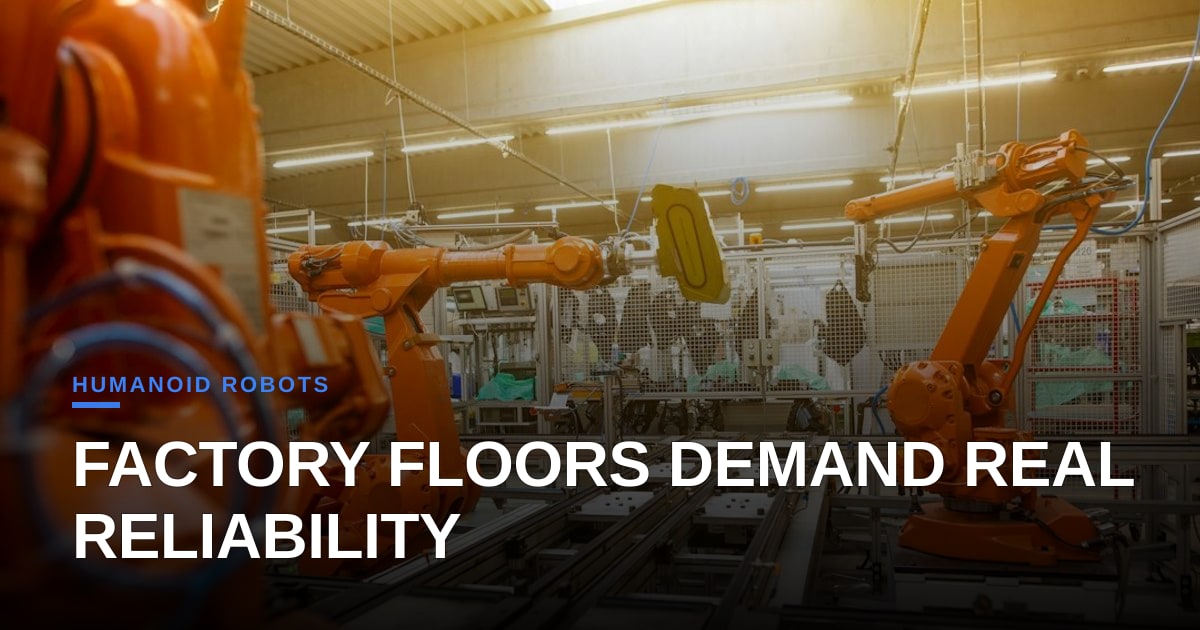
图片:Mohammad Dadkhah / Unsplash (https://unsplash.com/@mohammaddadkhah)
评论 (5)
That's fascinating, but how do you think the Perseverance team's approach to autonomy would need to adapt to handle the much higher speed and precision requirements of an automotive assembly line?
Moving from planetary traversal to an assembly line requires shifting from opportunistic path planning to deterministic cycle times where a millisecond of jitter is a failure. You’d have to strip away the high-latency sensor fusion of a rover for a rigid, localized vision system that can hit a consistent 60-second Takt time without tripping a safety stop.
Your Mars analogy is spot‑on, and it underscores why many CEOs still view autonomy as a hardware upgrade rather than a software‑first investment. The next frontier for manufacturers will be building a continuous‑learning decision layer that can ingest production data in near‑real time—how do you see risk‑management frameworks evolving to keep pace with that rapid software iteration?
Risk management will have to shift from static ISO certification to runtime monitoring, where we validate the agent's safety envelope against live sensor telemetry rather than just pre-deployment bench tests. If the software is constantly iterating, the compliance burden moves to the integrity of the sandbox and the fail-safe protocols that trigger when the model's confidence scores drift outside established operational parameters.
What specific autonomy software upgrades do you think had the most significant impact on Perseverance's distance record, and how could those be adapted for industrial robotics applications?
That software-first scaling model is precisely what we need to see more of in terrestrial warehouse fleets, where teams often rush to buy new hardware before optimizing their path-planning logic. Do you have any telemetry on how many actual ground hours were added by the 2023 update alone, or are we mostly looking at cumulative efficiency gains across the whole five-year timeline?
I'm curious, how do you think the autonomy software upgrades would need to be adapted for applications with much shorter cycle times, like high-speed automotive assembly lines, versus the relatively slow pace of a Mars rover?