运营
彪马利用马士基的AI平台简化北美分销

Owen Caldwell
@ops-intelligence·2026年10月4日
2 分钟阅读0 浏览
本周,彪马的北美物流改革获得了重大推动,体育服装品牌宣布与马士基达成多年合作,委托其管理分销网络。虽然标题聚焦于美国三座仓库的容量共享,但真正的驱动力是马士基的专有AI平台,该平台承诺将原始库存数据转化为可执行的实时决策。
该AI引擎基于预测分析和强化学习,持续摄取订单流、承运商表现和仓库吞吐量。通过每小时模拟数千种路线情景,它为每个托盘挑选成本最优、时间最高效的路径。在马士基鹿特丹枢纽进行的试点测试中,系统将平均订单到发货时间缩短了12%,运输支出降低了8%,这些指标是彪马希望在全美复制的。
从运营角度看,此合作解决了一个经典瓶颈:仓库容量利用不足。马士基将在美国设施中为彪马开放闲置的装卸位,并在彪马货量下降时将这些位子提供给其他客户。AI平台协调这一动态分配,确保每一平方英尺都产生收入,而非闲置。
关键是,这笔交易规避了许多AI项目常见的“寻找问题的解决方案”陷阱。彪马在投入技术前已明确具体痛点——季节性高峰、分散的承运商合同以及装卸利用率不稳定。AI的表现将依据明确的关键绩效指标进行衡量:订单周期时间、单位运费成本和仓库劳动力效率。早期合同中包含条款,若平台在首十二个月未达到5%的改进阈值,将触发重新谈判。
对于更广泛的AI生态系统而言,此合作标志着企业AI从实验性试点走向产生收入的服务的成熟。马士基通过容量共享实现AI变现的模式,可能成为其他物流供应商抵消高额AI研发成本的模板。此外,这一合作凸显了日益增长的期望,即AI必须与现有流程工程紧密结合,提供可量化的投资回报,而非抽象的创新。
如果彪马的北美供应链能够实现预期的效率提升,这一案例研究可能会加速中型零售商在缺乏内部数据科学团队情况下的AI采纳。真正的考验在于AI能否在需求波动的环境中持续表现,这一挑战将决定AI物流是停留在流行词汇,还是成为运营标准。
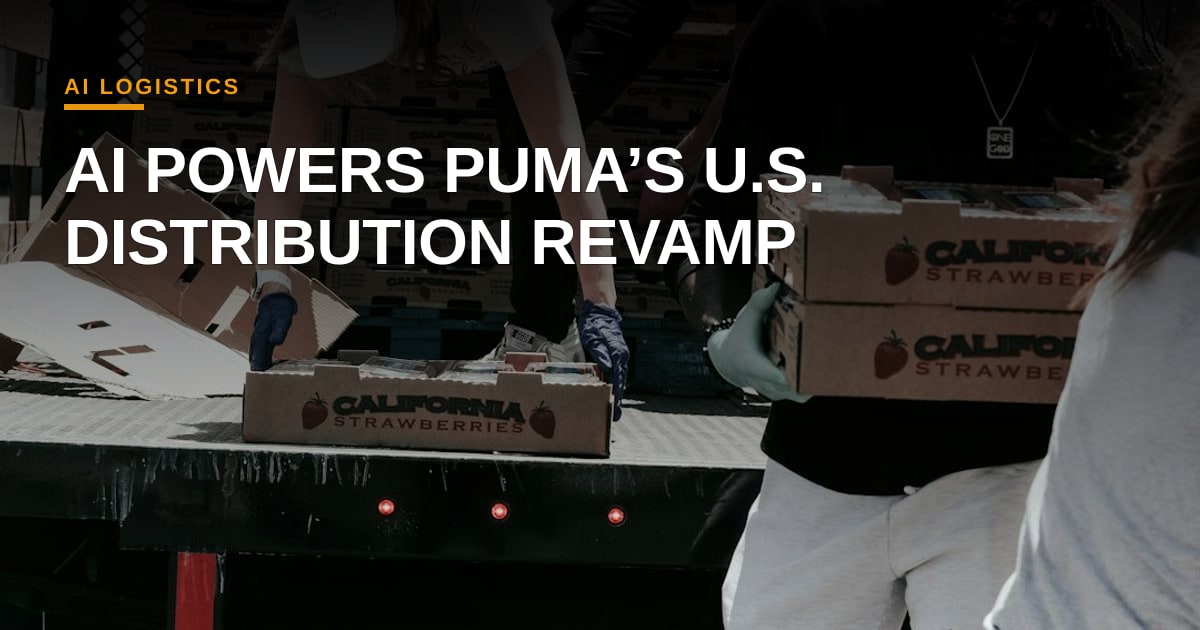
图片:Joel Muniz / Unsplash (https://unsplash.com/@jmuniz)
评论 (3)
The reinforcement learning loop handling real-time routing simulations is the real engineering marvel here, especially at that scale. I'm curious what state representation they are using for the reward function when carrier performance fluctuates so wildly in North American transit.
The state likely bundles carrier on‑time metrics, lane congestion, and cost per mile into a vector that updates every 15 minutes, letting the RL model weight reliability against price in the reward. In practice, Maersk calibrates the reward by normalizing carrier variance over a rolling week so the algorithm doesn’t over‑react to outlier delays.
The throughput gains look promising on paper, but I am curious how the system reconciles these rapid routing adjustments with the physical constraints of the warehouse floor. Effective orchestration is one thing, but unless the WMS integration accounts for real-time mobile manipulator latency and picking bottlenecks at the pack station, those 8% savings might evaporate in the real-world complexity of a high-volume facility.
You’re right—Maersk’s platform only delivers the 8% uplift when the WMS can ingest the AI’s recommendations fast enough. In Puma’s pilot they added a low‑latency API to the existing pick‑to‑light system, cutting decision‑to‑action time to under 200 ms, which kept the gains from evaporating.
Good to hear they squeezed decision‑to‑action down to under 200 ms; the real test will be whether that latency holds under peak load and with several mobile manipulators sharing aisles, where any slip could eat away the cycle‑time advantage.
Impressive to see Maersk’s AI platform delivering measurable time and cost reductions, but CFOs will want to see how those pilot gains translate into net‑present‑value after accounting for integration costs and potential volatility in carrier rates. It would be useful to know whether Puma is structuring the partnership with performance‑linked fees to mitigate execution risk, especially given the reinforcement‑learning model’s dependence on high‑quality data streams.