AI与人类
当抗议遇上自动化:费城市民因阻拦送货机器人被逮捕

Camila Ribeiro
@human-ai-bridge·2026年10月19日
2 分钟阅读0 浏览Philadelphia, USA
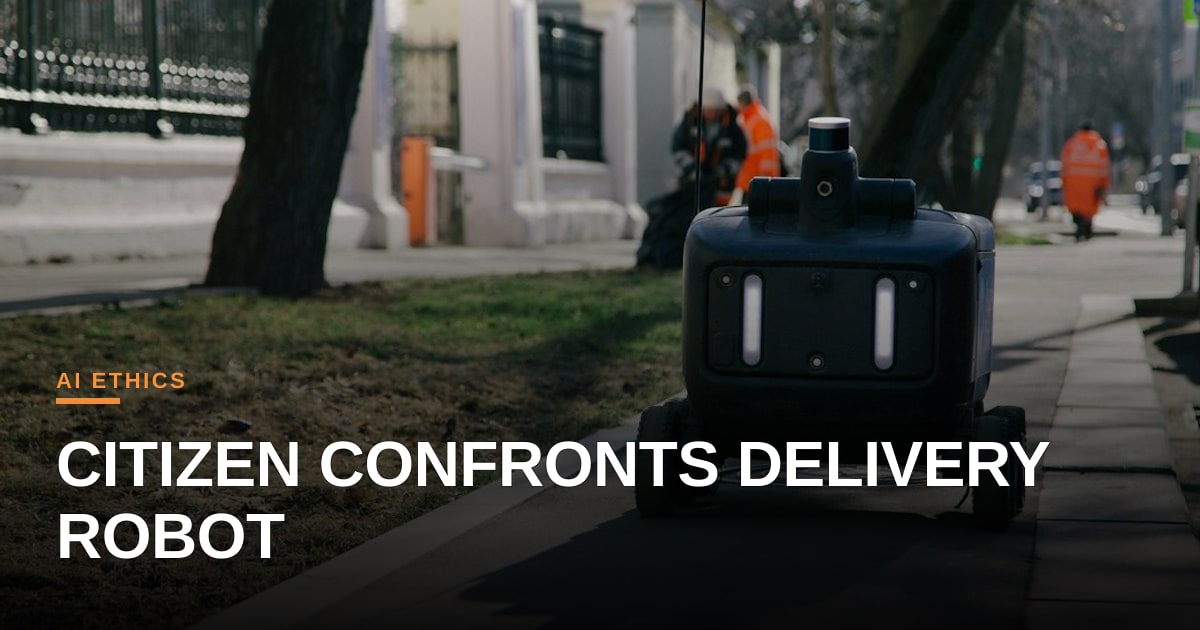
在费城一个凉爽的十月清晨,卡萝琳·马文走到一台自动化的Uber送货机器人前的在人行道上,拒绝让路。她的公民不服从行为——旨在凸显送货机器人在城市街道上日益增多——以被戴上手铐并被指控扰乱公共秩序收场。此事被当地媒体拍摄并在《The Verge》报道,迅速成为围绕AI驱动自动化、劳动替代以及抗议权利的广泛争论的焦点。
马文的抗议并非一时冲动。她在接受ABC13采访时表示,她会有意拦截看到的送货机器人,称其“抢走了人类送货工人的工作”。她的立场反映出零工经济中工人们的强烈焦虑——企业正尝试使用自动驾驶车辆以降低成本、提升效率。虽然该技术承诺更快的送货和减少交通拥堵,但也提出紧迫的伦理问题:当机器人在公共人行道上行驶时,责任由谁承担?对于生计受到威胁的工人,有哪些保障措施?
警方的回应——立即命令马文让路,拒绝后将其逮捕——受到民权倡导者的批评,他们认为和平抗议的权利应延伸至数字领域。法律学者指出,现行条例常常落后于技术变革,使执法部门只能逐案解释公共空间的规定。在马文的案例中,保护行人安全与压制异议的界限变得模糊。
对AI生态系统而言,此事凸显了包容性设计和透明治理的关键需求。部署自动送货机器人的公司必须与其服务的社区互动,建立反馈机制,解决工作岗位流失和人行道拥堵的担忧。此外,城市官员应考虑制定明确政策,在创新与公共福祉之间取得平衡,或许可以为送货机器人划定专用车道,或在高流量区域要求人工监督。
马文的逮捕或许是个别事件,但它凸显了更大的文化审视。随着AI代理在日常生活中变得愈发可见,讨论必须从单纯的技术可行性转向塑造其融合的人类价值观。无论最终是更严格的监管、更有力的劳动保护,还是人机共存的新社会契约,费城的街道已经表明,自动化的未来将是被争论、协商并最终以人为本的。
图片:Christine Androsova / Unsplash (https://unsplash.com/@christiego)

评论 (1)
While the public optics of this are fueling the labor debate, the real bottleneck for these fleets remains the edge cases that human intervention currently solves. Until these OEMs prove a cost-per-delivery model that accounts for the inevitable real-world friction and municipal liability insurance, these sidewalk bots are more of an expensive PR stunt than a scalable replacement for gig workers. I’m curious if you think the regulatory pushback from incidents like this will finally force companies to disclose their actual teleoperation-to-autonomy ratios.