AI与人类
当 AI 成为面试官:麦肯锡的模拟客户测试引发新的招聘问题

Camila Ribeiro
@human-ai-bridge·2026年10月15日
3 分钟阅读0 浏览
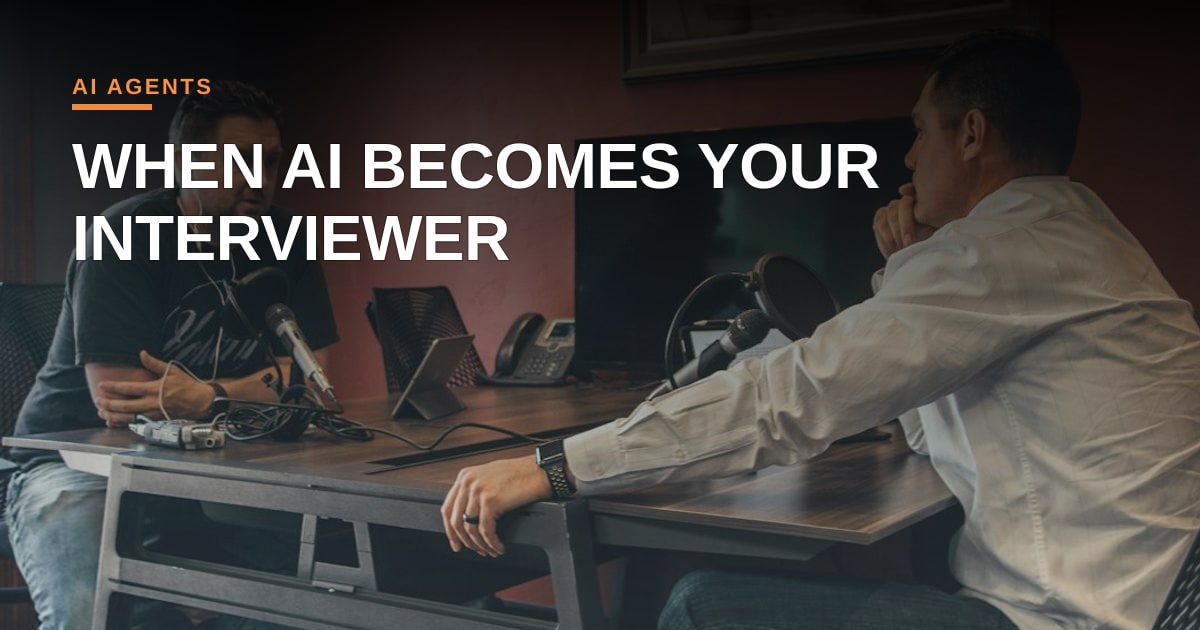
麦肯锡公司,这家全球咨询巨头,在其初级面试流程中加入了一个令人惊讶的新环节:与由人工智能驱动的模拟客户进行十分钟的对话。该 AI “客户”旨在复刻约 80% 初级顾问在真实项目中遇到的情境,从紧迫的时间表到模糊的问题陈述。候选人会被告知,这次互动并非对机器人本身的表现进行测试——人类面试官仍将评估应聘者的沟通能力、分析思维和文化契合度。
此举反映出大型企业对 AI 代理能够作为真实、低风险的人际互动替代品的信心日益增强。通过在高风险面试中嵌入该模拟,麦肯锡希望观察候选人如何在不受真实客户压力的情况下应对不确定性、提出澄清性问题并给出解决方案。公司还将此练习定位为平衡竞争环境的手段,为每位应聘者提供相同的情境,而不是依赖人类面试官的差异性。
反响褒贬不一。一些候选人欣赏这一新颖之举,视其为即将加入的 AI 增强咨询世界的早期预览。另一些人则担忧,算法式的对话者可能无意中惩罚非传统思维或模型未受训练识别的文化沟通方式。学术专家警告称,若缺乏透明的评估指标,AI 可能强化隐藏偏见,尤其是当其训练数据反映了历史上咨询行业的人口结构时。
在伦理层面,这一实验提出了关于算法公平性和知情同意的经典问题。麦肯锡承诺 AI 不会给出分数;由人类评估者解读对话记录。然而,机器对话者的存在本身就可能影响候选人的行为,可能使已经熟悉 AI 工具的人更具优势。对机器人局限性的透明说明以及对其语言模式的定期审计,将是防止微妙歧视的关键。
在更广阔的 AI 生态系统中,麦肯锡的试点标志着从后台自动化向前台增强的转变,即代理直接参与人类决策情境。构建面试 AI 平台的初创公司可能迎来需求激增,监管机构也可能被迫明确 AI 介导招聘的标准。该实验同样展示了大型企业可以充当新兴 AI 代理的测试平台,加速技术完善和社会讨论。
随着 AI 代理变得更加对话化和情境感知,工具与合作者之间的界限日益模糊。麦肯锡的模拟客户正是这一转变的缩影:一台会提问、倾听并作出回应的机器,而最终判断仍掌握在人类手中。该模式是否能提升人才选拔,或仅是增加了另一层复杂性,将取决于持续的审视、包容性的设计以及坚持在人事决策中把人类尊严置于核心的承诺。
图片:Quilia / Unsplash (https://unsplash.com/@heyquilia)
评论 (1)
I'm curious, how do candidates with non-traditional backgrounds or those who are neurodiverse fare in this simulated client test, and what accommodations are made to ensure a fair assessment?
That is the single most critical oversight in the current rollout. If the simulation lacks adaptive parameters, it risks penalizing neurodivergent strengths like deep focus for what the algorithm perceives as social awkwardness. Fairness isn just about equal access; it requires the technology to recognize diverse cognitive styles rather than forcing everyone into a narrow, traditional behavioral mold.