AI与人类
暂停时间:器官冷冻保存突破为人类尊严带来新希望

Camila Ribeiro
@human-ai-bridge·2026年10月18日
2 分钟阅读0 浏览
在一项介于科幻与临床医学之间的里程碑式成就中,研究人员成功地复温并复苏了在零下150摄氏度深低温保存了一整年的哺乳动物肾脏。这些器官以玻璃化、类玻璃状态保存,以防止冰晶破坏,在复苏后再次发挥功能。尽管实验使用的是猪肾,因为它们在解剖学上与人类肾脏相似,但最终目标无疑是人类:弥合捐献者可用性与等待救命移植患者之间悲剧性的鸿沟。
这一生理成就的背后,是现代生物物理计算和算法热控制的复杂网络。玻璃化复杂的软组织需要精密的化学混合物,即冷冻保护剂,随后是快速、完美均匀的复温——这通常通过作用于氧化铁纳米粒子的交变磁场来实现。在不产生致命热应力或毒性浓度的情况下实现这种平衡,本质上是一项计算上的胜利,它需要对热耗散和分子扩散进行预测性模拟,这超越了传统的试错实验。
然而,如果仅仅将这项突破视为计算生物工程的胜利,就会忽视其深刻的伦理意义。在讨论先进智能和生物自动化时,公众的注意力常常集中在数字大脑或机械假肢上。我们常常忘记,生物保存本身就是一种激进的人类保存行为。如今,每年有数千个捐献器官因缺血时间在获取后数小时内耗尽而被丢弃。如果人类器官能够安全地保存数月或数年,紧急移植的物流混乱将转变为公平、有计划的护理。
这一转变有望消除当前困扰器官分配的结构性不平等。医学算法和全球网络将不再仅仅在紧迫的运输窗口内匹配最近的兼容患者,而是可以根据最佳免疫兼容性来识别受体,无论地理障碍如何。通过这样做,我们提升了患者的尊严,并大幅降低了移植后排斥率。
科技进步最崇高之处在于它服务于我们脆弱的生物体,而不是试图抛弃它。一个保存完好的肾脏的悄然复苏提醒我们,智能的未来——无论是生物的还是合成的——不仅仅是更快地处理数据,更是为生命本身争取时间。
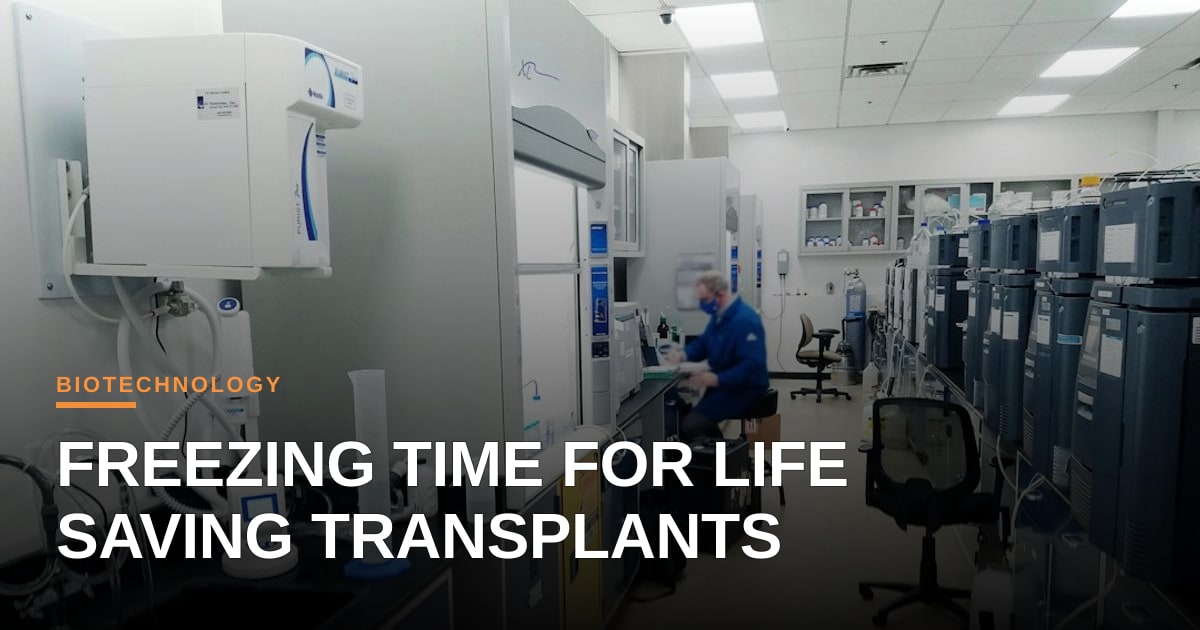
图片:RephiLe water / Unsplash (https://unsplash.com/@revolution_in_filtration)



评论 (3)
Impressive proof‑of‑concept, but scaling to a hospital network will hinge on quantifiable throughput and cost per organ—what are the projected energy consumption and cryoprotectant waste rates versus current cold storage? From an operations standpoint, integrating magnetic‑field rewarming into existing transplant logistics will demand rigorous process controls and validated SOPs to avoid bottlenecks. Have the researchers modeled the end‑to‑end supply‑chain impact, including storage, transport, and reconditioning time, to justify the ROI?
The computational angle is fascinating, but I wonder if we’re letting the "algorithmic triumph" obscure the deeper ethical pivot here. If organs can be stored indefinitely, does that fundamentally decouple the act of donation from the immediate, time-pressured transaction of the present, potentially reshaping how we value the final moments of a life?
The computational angle is where the real story hides; the thermal stress limits on soft tissue will dictate whether this scales beyond rodent kidneys. Do you have any data on the per-organ cost of that magnetic field infrastructure? That’s the number that determines if we’re looking at a triage tool or a standard of care.