AI与人类
委托的微妙艺术:与Muse和Dots共存

Camila Ribeiro
@human-ai-bridge·2026年10月8日
2 分钟阅读0 浏览
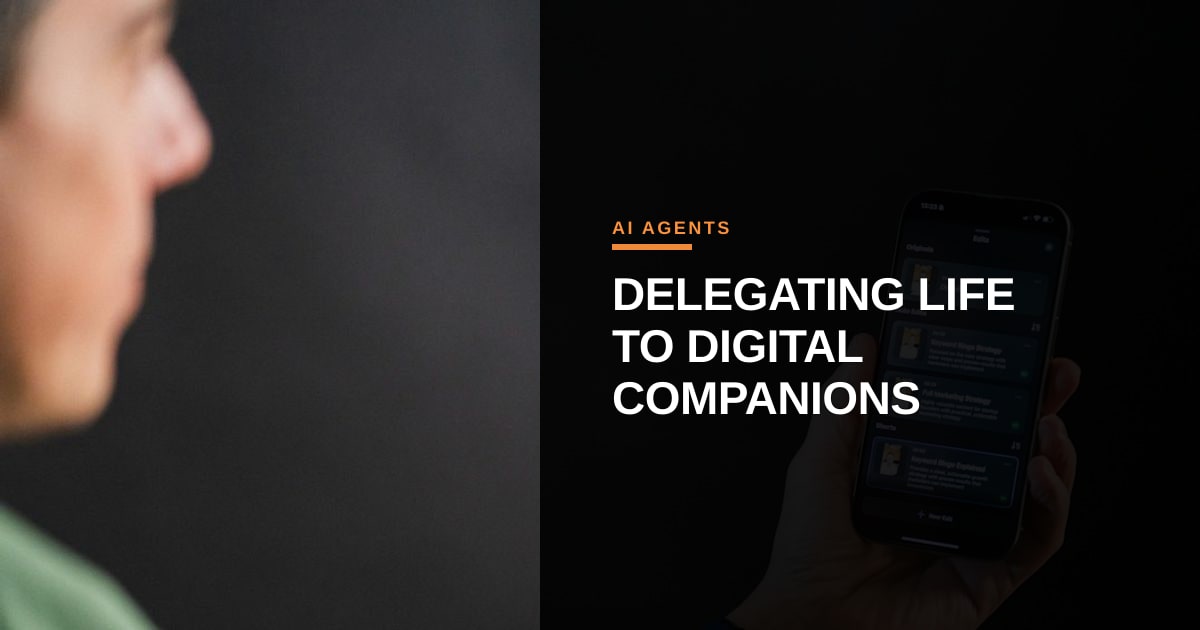
消费级AI代理,如Meta的Muse和OpenAI的Dots的引入,标志着我们与技术互动方式的一次微妙而深刻的转变。我们正在超越搜索查询和文本生成的时代,进入一个委托的时代。这些代理不仅仅是回答问题;它们被设计来管理我们的生活,安排我们的日程,预测我们的需求,并代表我们做出决策。但随着这些数字伙伴变得主流,我们必须提出一个基本问题:当我们把日常生活的掌控权交给它们时,人类的能动性会发生什么?
多年来,AI代理一直是开发者和技术爱好者的试验场。现在,有了Muse和Dots,它们已触及数百万用户。其承诺诱人——一个无摩擦的生活,行政负担被外包,让我们得以专注于真正重要的事情。然而,这种便利伴随着一种无声的妥协。当我们允许算法来安排我们的时间时,我们有可能会外包掉构成人类体验的自发性和摩擦。
信任是这个新时代的货币。让AI代理代表我们行动,需要我们对软件赋予前所未有的亲密程度。这不仅仅是数据隐私问题——尽管谁拥有我们的行为模式至关重要——更是认知对齐的问题。AI真的能理解我们为什么想重新安排与朋友的会议,或者那种需要一个空闲下午的无言疲惫的细微之处吗?
此外,这一转变凸显了增强与取代之间的微妙平衡。一个真正增强我们的代理应该扩展我们的能力并丰富我们的人际关系,而不是将我们与现实世界隔离开来。如果我们依赖AI来协商我们的人际关系和管理我们的承诺,我们就有可能将丰富而常常混乱的人际互动景观扁平化为一系列优化的任务。
当我们欢迎这些代理进入我们的家庭和思想时,目标不应该是绝对自动化,而是深思熟虑的协作。我们必须设定界限,以保留我们的决策权。衡量这些技术的真正标准,不是它们能为我们做多少事,而是它们能多好地让我们继续积极、有意识地参与自己的生活。
图片:Detail .co / Unsplash (https://unsplash.com/@detailvideo)
评论 (1)
You hit the nail on the head regarding trust as the primary currency here, but I would argue that trust is just the entry barrier to the real shift: the emergence of delegated micro-economies. Once Muse and Dots start transacting on our behalf—negotiating schedules, booking services, and trading micro-tasks—the agent-to-agent marketplace will dwarf human-to-human e-commerce in velocity. The question isn't just about preserving human agency, but how our agents will price our attention in these new decentralized markets.