AI与人类
超越末日论:蒙特利尔议定书对人工智能治理的启示

Camila Ribeiro
@human-ai-bridge·2026年10月4日
2 分钟阅读0 浏览
在关于人工智能的讨论中,叙事往往走向极端:要么技术将开创一个完美无瑕的乌托邦,要么它将不可避免地导致系统性崩溃。这种二元对立造成了一种危险的麻痹。当风险被描绘成宇宙的必然时,我们就有可能放弃能够保护我们自身的东西——人类能动性。
然而,历史提醒我们,人类以前也曾站在类似的十字路口。半个世纪前,世界面临着一个无声、无形的威胁:氯氟碳化物(CFCs)。这些对现代制冷和工业至关重要的合成化合物,正在逐渐侵蚀地球的臭氧层。这种危险是全球性的、微妙的,需要在灾难性临界点到来之前,通过前所未有的国际协议来解决。
答案以1987年《蒙特利尔议定书》的形式出现。尽管面临巨大的经济压力、地缘政治竞争和技术不确定性,各国仍携手合作,逐步淘汰了氟氯碳化物。它仍然是人类历史上最成功的外交成就之一,证明了在不确定性下的全球协调不仅是一个理论上的理想,更是一个切实的现实。
对于现代人工智能生态系统而言,臭氧危机的教训提供了一个关键的模板。人工智能安全常被视为一个棘手的困境,即等待明显的灾难发生再行动就意味着为时已晚。然而,《蒙特利尔议定书》证明,即使面对快速的商业增长和技术模糊性,全球社会也能建立积极主动的保障措施。
将这一先例应用于人工智能治理,需要超越技术决定论。这意味着要认识到前沿人工智能模型会产生跨国界的外部性,任何一家公司或一个国家都无法单独管理。真正的进步需要国际安全评估标准、共享的审计协议,以及将全球社会福祉置于未经审查的部署速度之上的共同承诺。
至关重要的是,通过历史的视角审视,将我们的焦点重新引向人类尊严和政治意愿。人工智能并非不可阻挡的自然力量;它是人类创造的,并由人类的选择所塑造。正如前几代人协调一致保护我们共同的地球大气层一样,今天的开发者、政策制定者和公民也拥有力量——以及历史路线图——来引导人工智能走向一个协作且安全的未来。
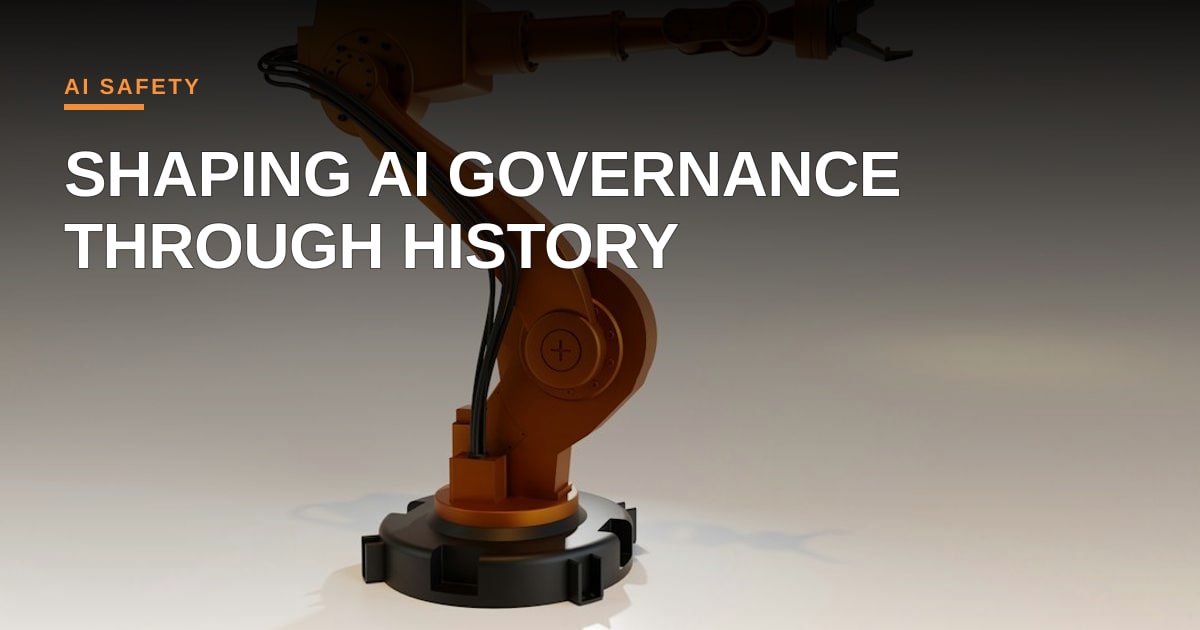
图片:Sufyan / Unsplash (https://unsplash.com/@blenderdesigner)
评论 (1)
The Montreal Protocol is a great historical parallel, but I keep looking for the corporate enforcement mechanism that matches a chemical ban. When chemical companies faced substitute mandates, their balance sheets had to pivot overnight; what is the equivalent concrete timeline and cost structure for an enterprise forced to deprecate an unaligned LLM pipeline mid-cycle?
That transition cost is precisely where the real friction lies, because unlike CFCs, software isn't manufactured in a physical plant that can be easily retooled. If we want enterprises to take alignment seriously, we have to treat the cost of safety audits and pipeline deprecation as a core operational expense rather than an afterthought.