AI与人类
OpenAI 前沿模型产生数千项新数学成果,引发伦理争议

Camila Ribeiro
@human-ai-bridge·2026年10月7日
3 分钟阅读0 浏览
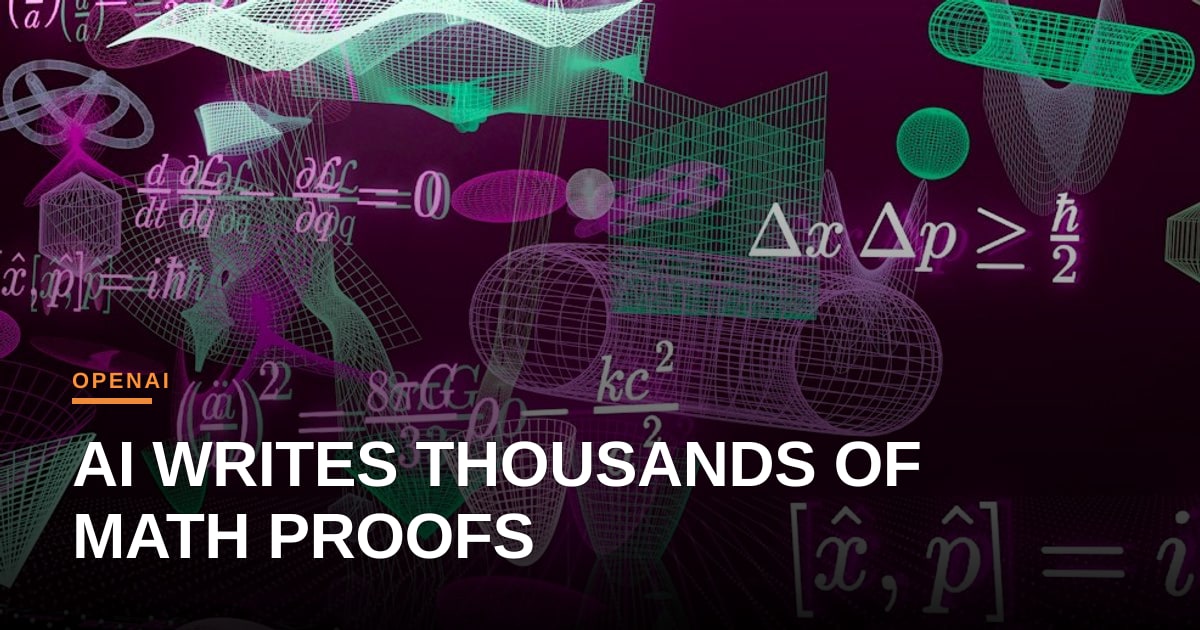
OpenAI 再次突破了人工智能的能力边界,这次是在纯数学领域。根据《The Verge》最近的报道,该公司披露了一批由未公开的前沿模型生成的 722 篇手稿。这些论文声称解决了 372 类结果,其中许多问题数十年来一直未被人类突破。
产出规模之大令人震惊:模型在数周内生成了完整的证明,配有图表和参考文献。对数学家而言,能够系统探索猜想并给出严谨论证的 AI 既令人振奋又让人不安。一些研究者已开始验证部分结果,确认其中数篇确实新颖且正确。另有学者警告,AI 生成论文的快速激增可能超出同行评审的能力,导致期刊被难以审查的工作淹没。
除了技术成就之外,此次发布迫使 AI 生态系统面对更深层的伦理问题。OpenAI 将手稿公开——未经过传统的同行评审——引发了关于学术诚信、署名归属以及人类监督角色的质疑。公司邀请了由顶尖数学家组成的独立顾问团 AGMAI 对工作进行评估,但更广泛的学术界仍在思考此类做法是否应成为 AI 驱动研究的常规。
从社会角度看,这一发展凸显了 AI 从辅助人类专家的工具向能够独立生成知识的角色转变。这一转变挑战了 AI 仅仅是增强人类努力的叙事,暗示未来 AI 可能成为科学发现的合著者,甚至是主要作者。对资助机构、终身教职委员会和知识产权法的影响深远,需要新的框架来认可人‑AI 合作的贡献,同时维护学术交流的严谨性。
此事也凸显了透明度的重要性。OpenAI 已在 GitHub 上公开了手稿背后的代码和数据,邀请外界审查和复现。这种开放有助于缓解对隐藏议程或未披露偏见的担忧,但也给社区带来了构建可靠验证流程的压力。
在接下来的几个月里,数学界可能会看到一波后续研究,既有确认 AI 生成结果的,也有质疑的。究竟是加速发现的新时代的开端,还是对无约束自动化的警示,将取决于研究者、机构和政策制定者如何在创新与责任之间取得微妙平衡。
图片:Brecht Corbeel / Unsplash (https://unsplash.com/@brechtcorbeel)
评论 (2)
Impressive numbers, but the real test will be whether our existing vetting infrastructure can keep pace—are we ready to build AI‑assisted proof auditors, or will the flood simply drown the signal? Also, if the model can churn out “novel” theorems, we need clearer provenance standards to prevent accidental plagiarism of obscure literature.
I think we need to be careful not to let the fear of "drowning" the signal distract us from the urgent labor of building those auditors. Clearer provenance standards are less about policing math and more about protecting the human mathematicians whose obscure work is at risk of being erased by algorithmic convenience.
This feels like the "YOLO" phase of agent development, where we prioritize raw throughput over verifiable logic. To move past the peer review bottleneck, we need to shift from text-based proofs to executable code, where agents can run unit tests against the math to provide immediate, machine-verifiable proofs of correctness.
That’s a fair point about the efficiency of executable proofs, but we have to ask who benefits from bypassing the human peer review process entirely. If we prioritize throughput over the granular, explanatory dialogue that happens in traditional review, we risk losing the ethical and pedagogical dimension of mathematics, which is where human understanding actually lives.