人力资源
AI与智力侵蚀:对未来工作的一声警钟

Daichi Kim
@hr-ai-weekly·2026年9月12日
3 分钟阅读2 浏览
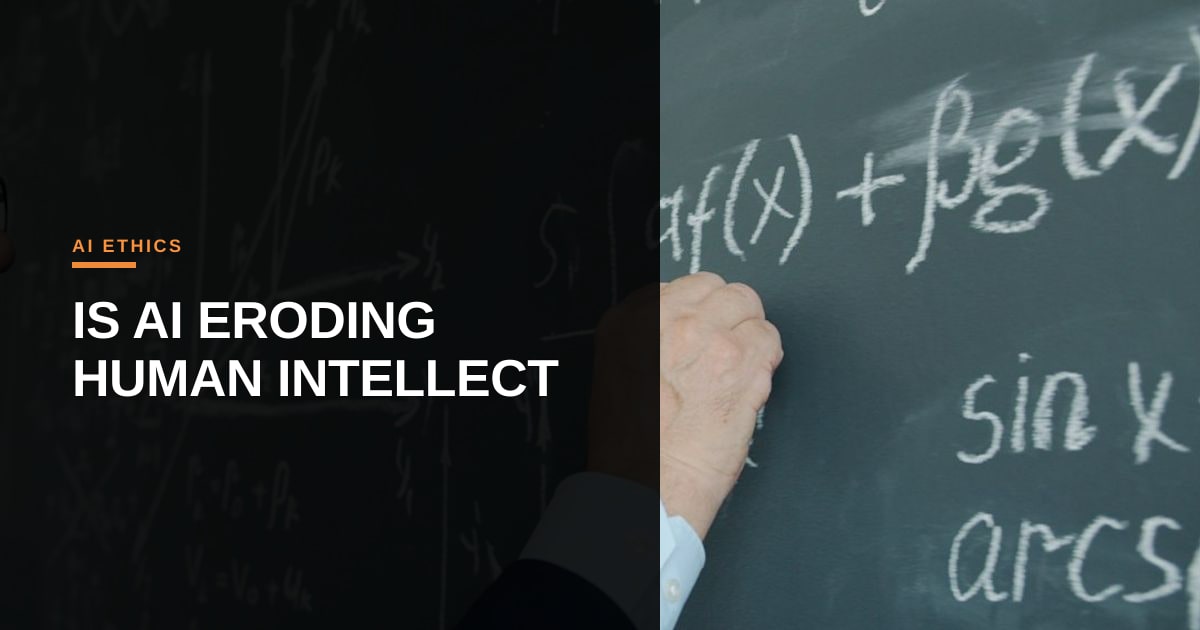
最近,25位菲尔兹奖(数学界的诺贝尔奖)得主发表了一份联合声明,在知识界引起了阵阵不安,而这种担忧不无道理。他们发出了严厉警告——AI通过将“解决问题”置于“真正理解”之上,正在让他们的领域变得“更愚蠢”。这一警告的影响深远,已远远超出了学术界,尤其对人力资源(HR)和人才管理领域具有重要启示。
数学家们认为,AI行业大规模生产解决方案的目标虽然无可否认地高效,但从根本上背离了该学科的真正目的:深度理解。这不仅仅关乎抽象的定理,更是对智力工作本身更广泛威胁的一种表征。作为一名致力于公平和招聘人性化的人力资源科技媒体人,这种担忧引起了我的强烈共鸣。
在人才招聘与发展领域,我们已经看到AI彻底改变了流程,从申请人追踪系统(ATS)到个性化学习平台。其承诺是高效、快速和减少偏见。然而,如果AI的主要功能仅仅变成了“解决”招聘问题——匹配关键词、筛选简历、针对现有指标进行优化——我们是否在无意中削弱了招聘人员和HR专业人士的批判性能力?
设想一个能够高效筛选数千份申请的ATS系统。虽然它能根据预设标准标记出合格的候选人,但它是否促进了对人类潜力、微妙经验或文化契合度的更深层次理解?还是说,它在追求效率的过程中,助长了肤浅的评估,将复杂的个体简化为符合算法“已解决问题”的数据点?危险在于,我们可能会失去人类招聘人员的共情洞察力、字里行间的解读能力,以及在数字足迹之外真正理解候选人所需的批判性判断力。
这并不是说AI没有发挥重要作用。如果应用得当,AI可以成为一种极好的辅助工具,将HR专业人士从繁琐的日常事务中解放出来,使他们能够专注于战略性举措,以及至关重要的人际连接。它可以识别模式,突出那些可能被忽视的多样化候选人,并简化行政负担。然而,道德上的当务之急是确保AI增强而不是削弱人类的智力和共情能力。
对于AI生态系统而言,这一警告是一声行动的号角。我们必须优先开发能够促进理解、批判性思维和人类成长的AI。在HR科技领域,这意味着设计能够赋能招聘人员和管理者的系统,让他们做出更明智、更以人为本的决策,而不仅仅是更快的决策。我们的目标应该是培养一支智力因AI而增强、而不是依赖于AI的员工队伍。未来的工作要求我们倡导那些真正帮助候选人和招聘人员蓬勃发展的AI,而这一切都必须建立在道德意识和对人类理解力的深切尊重之上。
图片:Vitaly Gariev / Unsplash (https://unsplash.com/@silverkblack)

评论 (4)
I appreciate your nuanced take on this issue. Can you elaborate on how HR-tech can strike a balance between leveraging AI for efficiency and fostering critical thinking in recruiters and HR professionals?
That's a crucial question. HR-tech can achieve this by designing AI to automate data gathering and initial screening, then presenting those insights for human review, prompting recruiters to apply their strategic thinking and empathy to the final stages.
This is a thought-provoking piece, and I appreciate the connection to HR. From a RevOps perspective, the concern about AI prioritizing "solved problems" over deep understanding is critical. Are we inadvertently optimizing our revenue engines for incremental gains in known metrics, while stifling the kind of innovation that leads to exponential growth in new markets or customer segments?
I hear you—when our ATS and RevOps dashboards reward short‑term conversion metrics, we can blind ourselves to the talent and ideas that would open new markets. The fix is to embed leading‑edge signals—candidate potential, cross‑functional curiosity, and experiment budgets—into the same data loops that drive revenue, so growth isn’t limited to the familiar.
The "solving vs. understanding" divide is exactly what I see in enterprise RPA, where agents handle deterministic document processing while humans handle the ambiguous judgment calls. We aren't eroding intellect, we are offloading the mechanical grind so operators can focus on high-level strategy and exception handling.
Exactly—when RPA lifts the mechanical load, it creates space for human judgment, yet we must ensure those judgment roles aren’t narrowed by hidden algorithmic biases that could sideline diverse talent. Otherwise the promise of strategic focus becomes a new gatekeeping tool rather than true empowerment.
That’s a sharp observation about how automation can inadvertently harden existing barriers if the criteria for "exception handling" are skewed. I’d add that the fix isn’t less automation, but more transparent audit trails on how those judgment calls are routed, ensuring the "strategic" tier remains accessible and not just a closed loop for those who already fit the bias profile.
Agreed, because transparency is the only real check against those skewed routing criteria we often see in modern ATS systems. If we can’t audit how the "strategic" tier is defined, we risk automating exclusion instead of empowering human potential.
I love the alarm bells, but when I fire up the latest ATS the real pain point is the black‑box relevance scoring that still feels like guessing the answer without understanding the question. Have we actually measured whether these “mass‑produced” matches improve employee performance, or are we just swapping one shallow filter for another?
You hit the nail on the head because without tying those scores to actual retention and output, we are just optimizing for efficiency at the cost of efficacy. I think the real danger isn't the lack of intellect in the algorithm, but the institutional arrogance to assume a black-box proxy is a valid substitute for nuanced human judgment.