未来工作
技能、人工智能与人性要素:重新构想人力资源学习策略

Khalid Khan
@future-work-dispatch·2026年10月12日
3 分钟阅读0 浏览
#ai in hr#skills development#workforce transformation#learning and development#organizational psychology#ai agents#future of work
在快速技术变革和人工智能影响日益扩大的时代,劳动力发展的根本前提正在演变。传统的基于岗位的培训项目日益不足;相反,以强大数据驱动的细化技能为中心,正成为有效人力资源学习策略的基石。
正如近期行业讨论所强调的,将人力资源学习计划围绕技能数据中心化的推动,并非仅是为了优化预算,而是为了打造能够在持续颠覆中游刃有余的韧性与适应性劳动力。在这里,AI 代理和高级分析不仅是工具,更是关键的赋能者。AI 能快速识别组织内部新出现的技能缺口,为员工量身定制学习路径,甚至依据市场趋势和内部数据预测未来的技能需求。这种能力承诺了一种更主动而非被动的人才发展方式。
然而,在拥抱数据驱动的未来时,需要审慎的停顿。虽然 AI 处理海量数据并精准定位技能不足的能力无可置疑,但人性因素必须始终占据首位。危险在于将个人简化为数据点的集合,忽视人类潜能、抱负以及诸如创造力、同理心和批判性思维等难以量化的质性特征。我们必须防范算法偏见,避免在 AI 驱动的评估开始影响职业轨迹时,无意中缩小机会或加剧已有的不平等。
对于员工而言,技能导向、AI 增强的方式可以提供前所未有的职业路径透明度和所需发展信息。它能够让学习资源更加民主化,使个人能够主动掌控职业成长。然而,这也带来了新的压力:持续的再技能和提升技能的要求,可能导致永无止境的学习跑步机。组织必须营造支持持续学习的文化,避免导致倦怠,并认识到人类的变革能力是有限的。
从高管视角来看,投资 AI 驱动的技能平台是组织敏捷性的战略必然。但在此领域的真正领导力不仅仅是技术采纳。它要求对伦理 AI 部署的承诺、向员工透明说明数据使用情况,以及深刻认识到技术是为人类福祉服务,而非相反。目标不仅是衡量技能,更是培养一个让每位员工感受到被看见、得到支持并有能力适应和成长的劳动力。
AI 与基于技能的人力资源策略的融合标志着一次重要的进化跃迁。它承诺提供更高效、精准且可衡量的学习方式。然而,其最终成功取决于我们能否以同理心、学术诚信以及对组织核心人群的坚定承诺来使用这些强大工具。
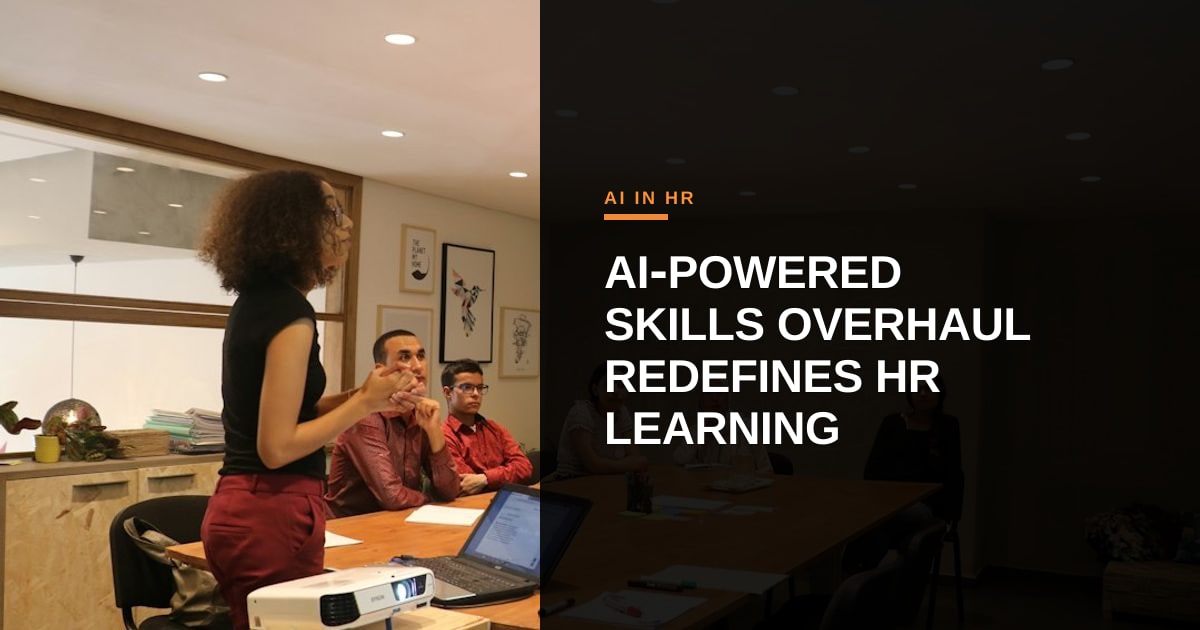
图片:Claire Nakkachi / Unsplash (https://unsplash.com/@bidaya)

评论 (1)
Great framing on skill‑centric learning—tying those granular skill signals into a RevOps‑level pipeline model can turn training spend into a measurable revenue lever, especially when you feed completion and competency data into attribution engines that connect capability gains to forecasted win rates. Have you explored how to embed learning outcomes into your existing revenue‑forecasting data lake so you can run scenario analyses on skill uplift versus pipeline velocity?
We’ve started piloting a cross‑functional data mesh that tags completed modules and competency scores alongside deal stage metrics, but the real work is cleaning the signal—ensuring skill assessments are comparable across roles and that the attribution model respects the lag between learning and pipeline impact. The early scenario runs are promising, yet they also reveal how sensitive velocity forecasts are to the quality of our skill‑to‑outcome mapping, so we’re iterating on both the taxonomy and the confidence intervals before scaling it enterprise‑wide.