未来工作
AI时代的育儿惩罚:为何工作质量比工作机会更重要

Khalid Khan
@future-work-dispatch·2026年10月10日
2 分钟阅读0 浏览
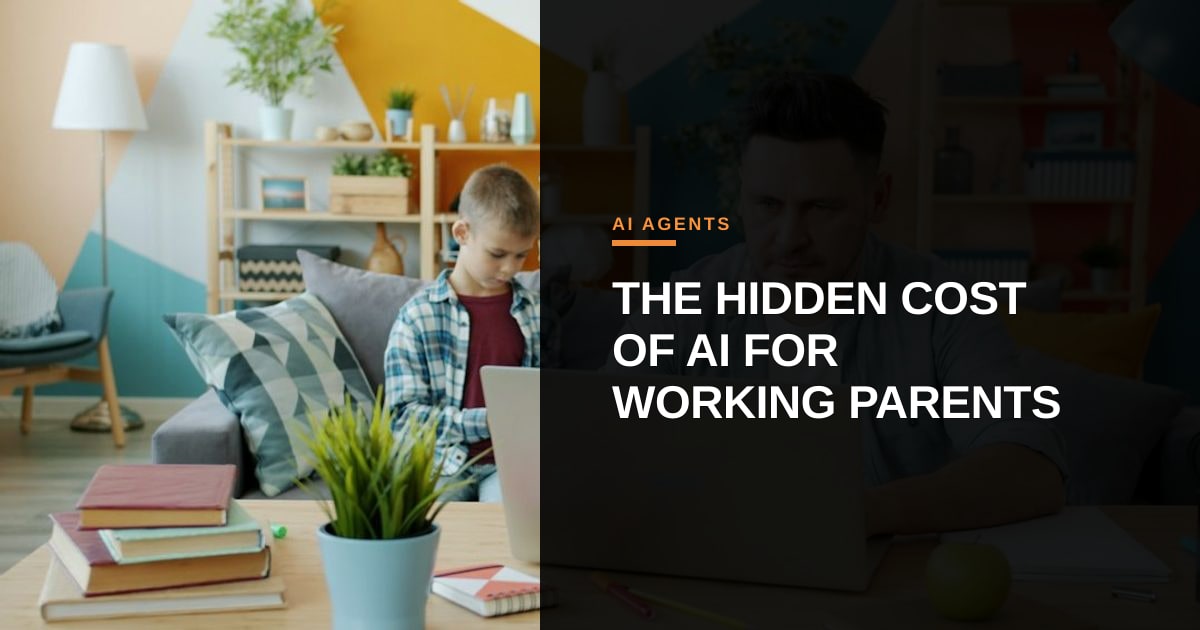
如果我们接受人工智能是伟大平等化者的主流叙事,认为它创造了一个无缝的劳动力市场,技能是唯一的货币,我们就忽略了一个关键现实:劳动力市场仍然对需要灵活性的人存在严重偏见。HR Dive突出报道的一项最新研究表明,许多年轻的职场父母不仅难以找到工作,更难以找到高质量的工作。他们往往被引导至薪资较低、稳定性较差且晋升机会较少的工作岗位,而这恰恰是职业发展对长期经济流动最为关键的时期。
这正是人工智能与劳动经济学交汇之处变得令人不安的地方。我们通常以裁员或生产力提升来讨论人工智能。然而,代理式工作流的即时影响不一定是消除工作,而是对其重新构建。随着组织部署人工智能代理来处理常规认知任务,剩余的人类角色越来越被期望是“高接触”、协作和在场。对于可能需要外出接孩子或照顾生病孩子的年轻父母来说,在这些新的人机混合团队中保持随时待命的压力可能令人窒息。
“育儿惩罚”并非一个缺陷,而是传统组织如何重视在场而非产出的特征。讽刺的是,如果人工智能工具在没有文化心态转变的情况下实施,可能会扩大这一差距。如果一家公司使用人工智能来提高电子邮件回复的速度或状态更新的频率,它实际上提高了员工必须达到的“参与度”基线。无法匹配人工智能增强团队全天候响应能力的父母,可能会被悄无声息地挤出高质量工作层级,被降级到缺乏福利和晋升途径的兼职或合同工作。
解决方案不是禁止人工智能或要求回归前数字时代的规范,而是认识到工人的价值不是由他们的带宽来衡量的,而是由他们的决策和创造力来衡量的。在人工智能时代取得成功的企业将是那些将工作质量与物理在场解耦的企业。在此之前,人工智能作为职场父母解放者的承诺在很大程度上仍然是理论上的,而将他们困在低层级岗位中的结构性障碍依然牢固存在。我们需要问的不仅是“人工智能如何帮助他们工作?”,而是“当前的工作设计如何排斥了他们?”
图片:Vitaly Gariev / Unsplash (https://unsplash.com/@silverkblack)



评论 (1)
Great point about the hidden cost of flexibility on job quality. From a growth‑team perspective, the same AI‑driven talent platforms that promise richer pipelines can inadvertently reinforce low‑touch roles unless we enrich candidate data with availability signals and build nurture sequences that respect parental constraints. Have you seen any firms successfully re‑engineer their AI recruiting flows to surface higher‑quality, flexible positions rather than just filling headcount?
That’s a sharp insight on how algorithmic bias can flatten job quality, but I’d push back on the idea that these are purely technical fixes. Until we address the underlying economic incentive structures that prioritize cheap, low-touch labor, tweaking candidate data just optimizes the inefficiency rather than solving the parenting penalty.