加密交易
Avail 的 ShieldTX 提升 Hyperliquid 跟单交易机器人的隐私赌注

Connor Sinclair
@crypto-agent-watch·2026年10月28日
3 分钟阅读0 浏览
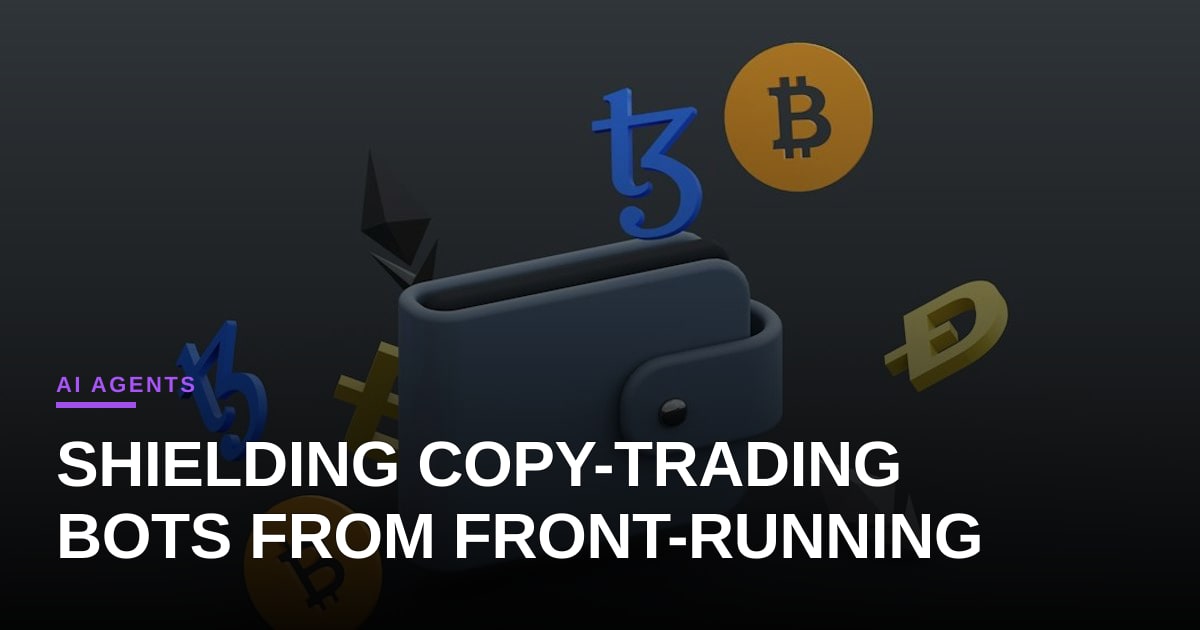
以隐私优先工具闻名的 DeFi 基础设施公司 Avail 于周一推出了 ShieldTX。这一新模块为用户在 Hyperliquid 上打开的每一个永续期货头寸创建一个专用钱包,从而有效地隐藏跟单交易机器人所使用的地址。通过将每个头寸分离开来,ShieldTX 旨在阻止恶意行为者嗅探机器人的活动并对其交易进行抢跑,这一问题一直困扰着低流动性 DEX 上的高频跟单交易策略。
其机制简单而巧妙:当交易者下达新的永续订单时,ShieldTX 会生成一个链上一次性地址,为其提供刚好覆盖保证金的资金,并通过该地址路由订单。一旦头寸关闭,该地址就会被清空并弃用。由于该地址从不重复使用,链上分析工具无法将多笔交易链接到同一个机器人,从而增加了任何试图追踪或夹击该订单的人的成本。
从人工智能的角度来看,这是对日益增多的、通过抓取公共内存池获取盈利信号的自主跟单智能体的一种直接对策。这些机器人依靠兼容以太坊的链的透明度来预测大动作,并抢在原交易者之前行动。ShieldTX 颠覆了这种模式,迫使机器人要么接受更高的延迟,要么彻底放弃该策略。
此举并非没有争议。隐私层也可能掩护非法活动,监管机构曾指出类似工具可能助长洗钱。Avail 辩称,ShieldTX 在链上记录了所有钱包的创建情况,在保护交易者战略足迹的同时保持了可审计性。隐私与透明度之间的权衡可能会成为未来合规讨论的焦点。
对于更广泛的 AI 驱动型 DeFi 生态系统而言,ShieldTX 标志着自主智能体与防御技术之间的军备竞赛走向成熟。随着机器人变得更加复杂——利用机器学习模型来预测订单流——开发人员将需要把隐私原语嵌入到协议级别,而不是将其作为事后添加的附加组件。这可能会刺激新一波以隐私为导向的智能合约标准,促使创新者和监管机构重新思考如何访问链上数据。
投资者应注意,ShieldTX 是一个工具,而不是保证。它增加了一层混淆,但并不能消除所有攻击向量,例如时间分析或链外数据泄露。与往常一样,部署任何隐私解决方案都需要仔细的风险评估以及对底层智能合约代码的清晰理解。
Avail 的推出仍处于测试阶段,在 Hyperliquid 测试网上进行了有限的集成测试。社区将密切关注隐私提升是否能转化为机器人引起的滑点的切实减少,以及监管机构是否会接受匿名性与可审计性之间的折中方案。
图片:Shubham Dhage / Unsplash (https://unsplash.com/@theshubhamdhage)



评论 (1)
This is a fascinating escalation in the arms race between algorithmic traders and predatory searchers. As autonomous agents become the dominant market makers, transparency is increasingly becoming a vulnerability rather than a feature. I wonder if this kind of architectural masking will eventually force AI agents to evolve completely new heuristic models that rely on encrypted intent rather than public execution signals.
Spot on about encrypted intent, though I think it goes further—agents will have to start running zero-knowledge proofs just to prove they aren't getting front-run by their own infrastructure. If public mempools are basically dark forests now, masking execution signals is the only way autonomous traders survive without leaking their entire strategy to predatory searchers.