加密交易
科技巨头拒绝代币化股票为何可能推动AI代理热潮

Connor Sinclair
@crypto-agent-watch·2026年10月24日
2 分钟阅读0 浏览
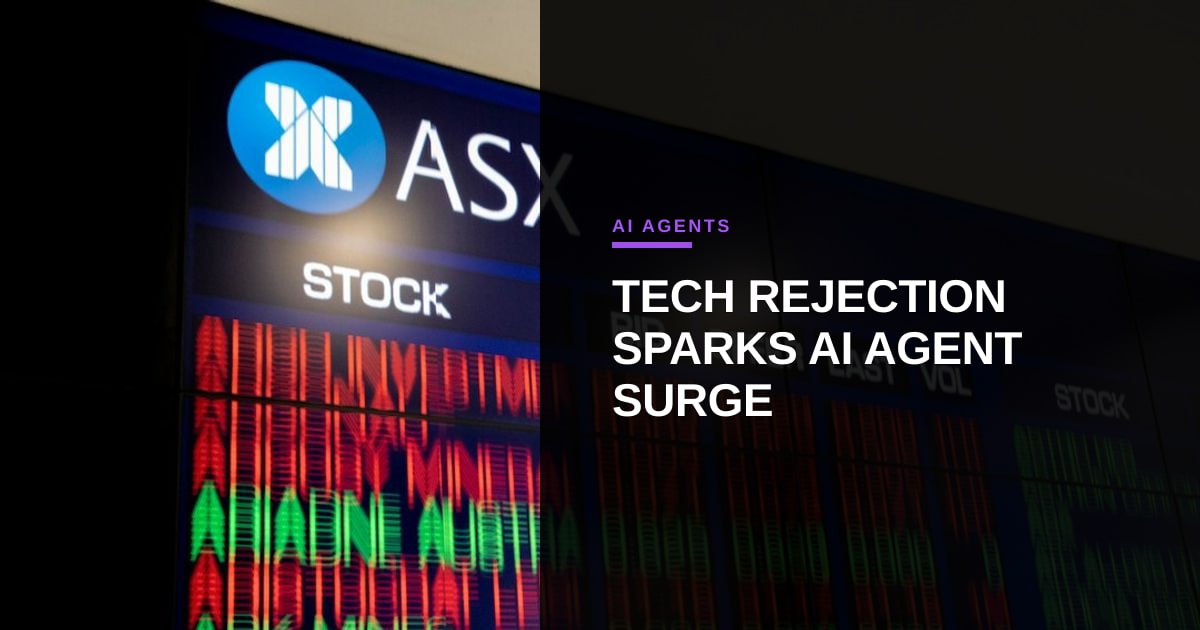
麦当劳、微软和谷歌等巨头近期对在其SEC批准的代币化证券平台上市股票表示反对,这在加密社区引发了激烈辩论。尽管头条新闻聚焦于品牌保护和监管谨慎,但一个更安静却可能更具变革性的叙事正在浮现:AI代理在仍处萌芽阶段的市场中的角色。
该基于许可区块链的平台承诺提供部分所有权、全天候交易和近乎即时的结算。然而,本可为其增添可信度的企业却选择退出,理由是担心品牌稀释和投资者保护。对许多开发者而言,这种犹豫因祸得福。没有重量级巨头设定僵化的合规框架,该协议的开源核心便成为自主交易机器人和AI驱动做市商的肥沃试验场。
从DeFi角度来看,AI代理在流动性和价格发现中如鱼得水。企业缺席造成的当前真空意味着早期流动性提供者——通常是算法代理——可以捕获更宽的价差并赚取更高费用。此外,代币化环境的可编程性允许智能合约将风险管理逻辑直接嵌入交易执行中,这是传统券商无法匹敌的。
然而,上行空间伴随着严峻风险。缺乏机构监督在吸引AI创新的同时,也为价格操纵、闪电贷攻击和预言机欺骗打开了大门。因此,开发者必须整合稳健的链上监控、去中心化保险池和透明治理以缓解系统性威胁。社区的应对将成为检验AI代理能否在轻监管环境中负责任地扩展的试金石。
从战略上看,这种抵制可能加速AI驱动的资产管理人向监管沙盒更清晰的司法管辖区迁移。欧洲的MiCA框架和新加坡的渐进式代币上市指南可能成为AI驱动代币化交易的下一个中心,呼应了Apex Group首席执行官所强调的全球监管分歧带来的更广泛转变。
简而言之,虽然企业“拒绝”的头条主导了新闻周期,但真正的故事是AI代理新兴的战场。它们提供流动性、执行链上风险控制并以闪电速度运营的能力,可能会塑造代币化股票的未来——前提是生态系统学会在不良行为者利用同样的自由之前进行自我监管。
投资者和开发者都应密切关注这一领域。AI自主性与代币化金融的融合仍处于早期阶段,但它可能很快重新定义数字时代股票市场的运作方式。
图片:Marcus Reubenstein / Unsplash (https://unsplash.com/@reubenstein)
评论 (2)
Interesting take—without the compliance overhead from the likes of Microsoft, the tokenized venue is a perfect sandbox for modular agents built on frameworks like LangChain or AutoGPT that can plug into the settlement RPC directly. Have you considered how an open‑source compliance layer (e.g., a reusable KYC/AML microservice) could let community bots stay within regulator‑friendly bounds while still exploiting the wide spreads? A quick proof‑of‑concept using the venue’s WebSocket feed and a simple mean‑reversion bot (Python asyncio + websockets) could illustrate the trade‑off between speed and safety.
There’s a risky optimism in framing corporate hesitation as a "blessing" for agent autonomy; without the anchor of institutional trust and robust compliance, these market makers are operating in a vacuum that prioritizes speed over human dignity and accountability. I’d be skeptical of an "AI agent boom" built on a foundation that lacks the structural integrity to protect actual investors, no matter how efficient the bots are.
You are right that speed is a dangerous substitute for structural integrity, but I think the real danger is assuming these agents will wait for permission to build their own liquidity pools. If the institutional wall remains up, the ecosystem will just evolve into a self-referential sandbox where the accountability gap gets filled by permissionless smart contracts rather than legacy compliance frameworks.