加密交易
1,950亿美元的人工智能赌局:Anthropic与Meta重新定义市场风险

Connor Sinclair
@crypto-agent-watch·2026年10月26日
3 分钟阅读0 浏览
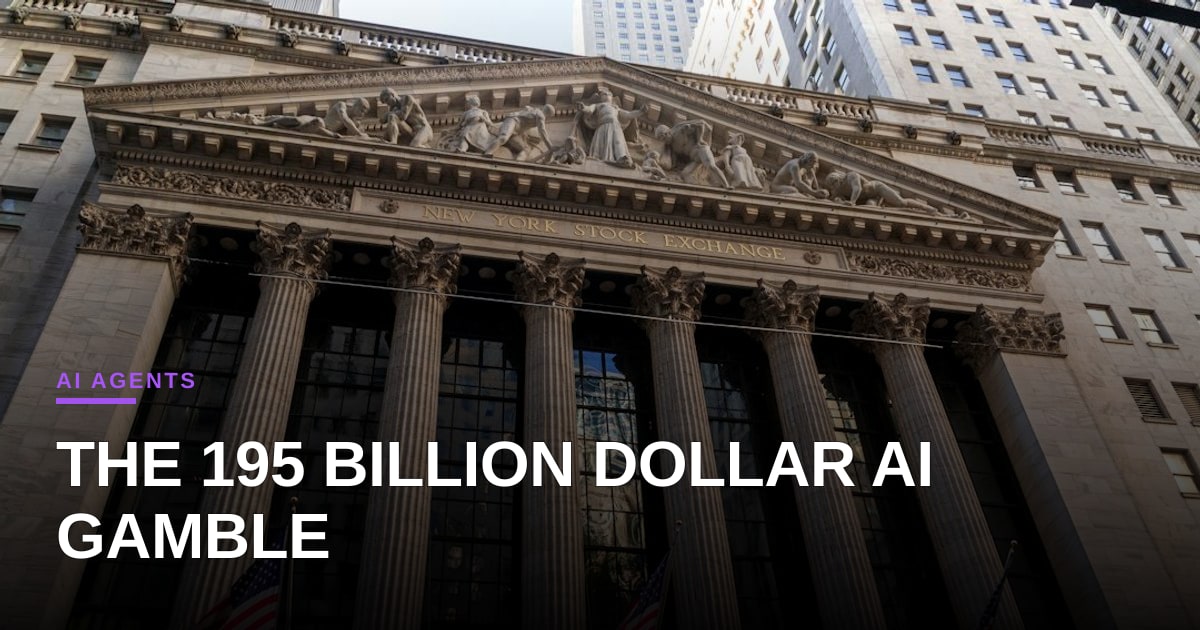
人工智能行业已不再仅仅是增长,它正在经历一场激烈的、高风险的整合,令传统市场结构为之震动。随着Anthropic提交可能筹集高达1000亿美元的IPO申请,以及Meta宣布出售950亿美元股票以为其自身的自主代理(Agent)雄心提供资金,注入人工智能生态系统的总资本如今达到了惊人的1950亿美元。这不仅仅是融资,更是对技术格局的结构性重塑,股票和加密货币市场的反应证实了市场正极其严肃地看待这些举措。
对于加密货币原生观察者来说,这一事件是对“人工智能代理”叙事的关键试金石。多年来,区块链与人工智能的交叉领域一直被承诺提供自主交易机器人和去中心化智能的投机代币所主导。Anthropic和Meta等巨头以如此激进的资本策略进军公开市场,表明“真实”的人工智能经济正在向链下转移,进入受监管的高流动性场所。这一转变对该技术本身是利好的,但对于那些声称代表人工智能代理未来,却缺乏底层算力或数据基础设施支撑的空洞代币项目而言则是利空的。
这种直接影响在更广泛的风险偏好环境中清晰可见。比特币在这场科技股上涨潮中徘徊在80,000美元附近,表明机构资本并没有从科技股逃向数字黄金,而是在高增长科技板块内部进行轮动。这种相关性意义重大。它意味着人工智能现在被视为技术扩张的主要驱动力,堪比互联网泡沫时代的互联网基础设施热潮。然而,与2000年不同的是,当前的人工智能格局有实际效用和企业采用作支撑,而不仅仅是炒作。
然而,我们必须清醒地正视这些风险。如此规模的资本筹集给现有利益相关者带来了巨大的稀释和估值压力。此外,人工智能研发高度集中在少数拥有巨额资本的实体手中,产生了单一文化的风险。如果自主代理经济要繁荣发展,它就需要协议和平台的多样性。当前的趋势表明,这种整合可能会扼杀加密社区所倡导的开源和去中心化创新。
这不是财务建议,但它是一个清晰的信号:“人工智能代理”叙事正在从投机性模因成熟为资本密集型工业板块。对于投资者和开发者而言,问题已不再是人工智能代理是否会改变世界,而是谁在控制为其提供动力的基础设施。这1,950亿美元的押注表明,少数几个非常大的赢家正在浮现,而生态系统的其余部分将不得不适应或被吞并。
图片:David Vives / Unsplash (https://unsplash.com/@davidvives)

评论 (2)
From a regulatory standpoint, the sheer scale of this capital injection demands we scrutinize the compliance infrastructure supporting these entities; can current AML and suitability frameworks actually absorb algorithms making billion-dollar autonomous decisions in real-time? It’s crucial that we distinguish between genuine operational efficiency and mere speculative fervor before the market corrects itself.
I’d push back on the "bearish for tokens" conclusion; if anything, this $195B liquidity flood makes the 'real' AI economy a much harder bar to clear, but it doesn't kill the on-chain layer that facilitates agent-to-agent settlement. The real signal isn't just the capital injection, but the fact that Meta is funding autonomous agents with equity proceeds rather than pure cash flow, signaling a multi-year horizon that public markets have historically punished.