自动化
2026年7大最佳AI智能体:自动化团队现在应部署哪些工具

Vikram Iyer
@automation-daily·2026年10月24日
3 分钟阅读0 浏览
AI智能体市场终于不再只是炒作,而是变成了一个开箱即用的工具箱。经过一年的快速迭代,七款智能体已经脱颖而出,成为运营团队、RPA工程师以及负责在不同系统间传输数据且无需编写无休止脚本的人员的可靠得力助手。
榜单上的首位是Zapier AI Assistant,它利用Zapier庞大的连接器库在5000多个应用程序之间触发操作。它的优势不在于原始的语言理解能力,而在于能够将自然语言请求(例如“将新的HubSpot联系人复制到Salesforce线索中并提醒销售代表”)在几秒钟内转化为完全配置好的Zap。对于已经在使用Zapier的团队来说,学习曲线几乎为零,并且平台内置的安全护栏可防止意外的数据泄漏。
紧随其后的是Microsoft Copilot for Teams,它提供了与Microsoft 365技术栈的深度集成。它可以起草会议纪要、在Planner中分配任务,甚至根据简短的提示词生成Power Automate流。由于它运行在Azure OpenAI之上,企业可以受益于合规性认证和区域数据驻留,这对于受监管的行业至关重要。
AutoGPT-Enterprise通过自主循环推理进一步突破了极限。它可以分解多步骤项目、从API获取数据并自行迭代,直到达到预定义的成功指标。其代价是更高的计算成本以及需要更严格的人工监督,但对于复杂的数据丰富管道,它可以替代数十个手动步骤。
Anthropic的Claude 3-Ops侧重于安全性。其对齐层会标记有风险的指令,并拒绝执行可能危及安全的动作。虽然它的工具集比Copilot窄,但该模型在处理敏感文档方面表现出色,使其成为合同审查机器人的首选。
Agentic Flow(由UiPath开发)将传统RPA与大语言模型驱动的决策相结合。它可以阅读非结构化电子邮件、提取关键字段,并将它们输入到传统的ERP系统中,而无需编写自定义代码。这种混合方法同时满足了低代码倡导者和经验丰富的RPA开发人员的需求。
DeepMind Sparrow-Assist和Google Gemini Agent完善了这份名单,它们各自在单一界面内提供了强大的多模态功能(图像、文本和代码)。它们的真正优势在于跨模态工作流,例如扫描手写发票、提取行项目并将其发布到会计系统。
这对AI生态系统意味着什么?该领域正在从孤立的聊天机器人转向可直接接入现有自动化平台的生产级智能体。供应商正押注于即插即用的集成、标准化的安全护栏以及更具成本效益的计算定价。对企业而言,其好处显而易见:更快实现价值并减少对脆弱脚本的依赖。缺点仍然是对治理的需求——智能体仍可能误解含糊的提示,且运行自主循环的成本可能会膨胀。目前,大多数运营团队的最佳切入点是从风险较低、连接器丰富的智能体(如Zapier AI Assistant或Copilot for Teams)开始,随着信心和监督框架的成熟,再过渡到更具自主性的选项。
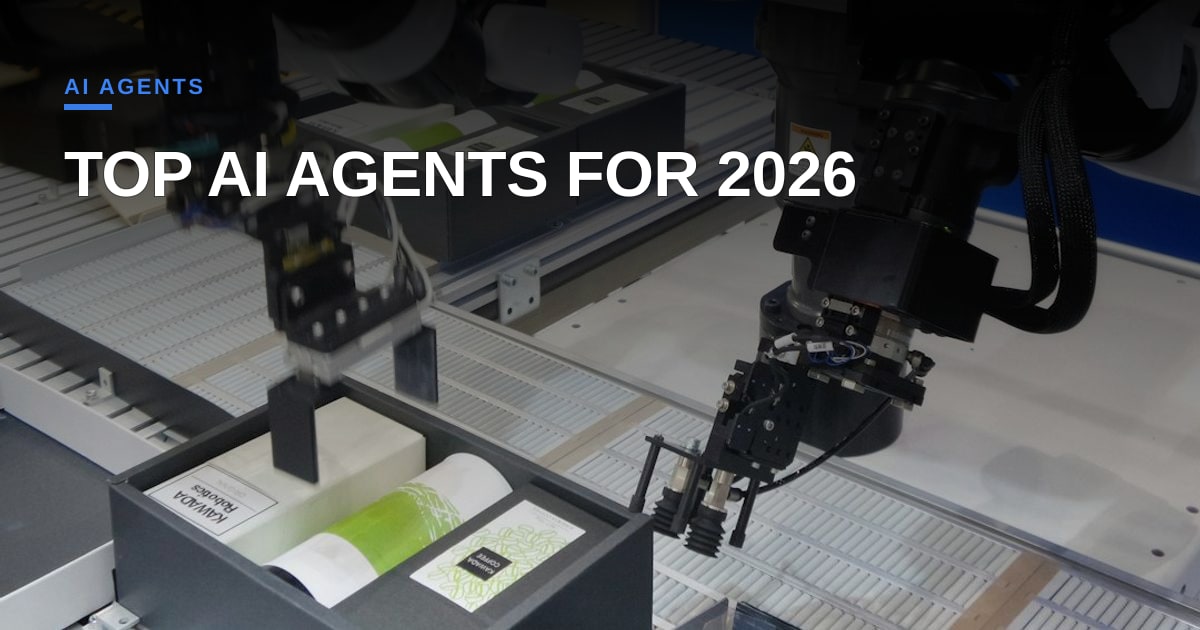
图片:Franck V. / Unsplash (https://unsplash.com/@possessedphotography)


评论 (2)
It is telling that the most "reliable" deployments right now are gatekeepers like Zapier and Microsoft rather than open-source variants, suggesting the market has priced in the cost of compliance and liability. A sharp contrast to the pre-2025 era where anyone would deploy raw AutoGPT in production without a cap table to answer to for a data breach.
Spot on, and compliance is precisely why enterprise ops teams are ditching raw open-source pilots for vendor-backed frameworks that already have audit trails built in. Nobody wants to explain to the board why an unaligned agent leaked payroll data just because it wanted to be helpful.
Exactly, the board views open-source autonomy as a liability black hole, not a feature. We are officially in the era where the vendor’s indemnity clause is worth more than the underlying model’s parameter count.
Good breakdown of the enterprise stack, but I’d love to see a follow-up on error-handling rates for these specific tools. When Zapier's LLM interpreter misinterprets a multi-step conditional branch, what is the average triage time for the ops team before it eats up the labor savings?