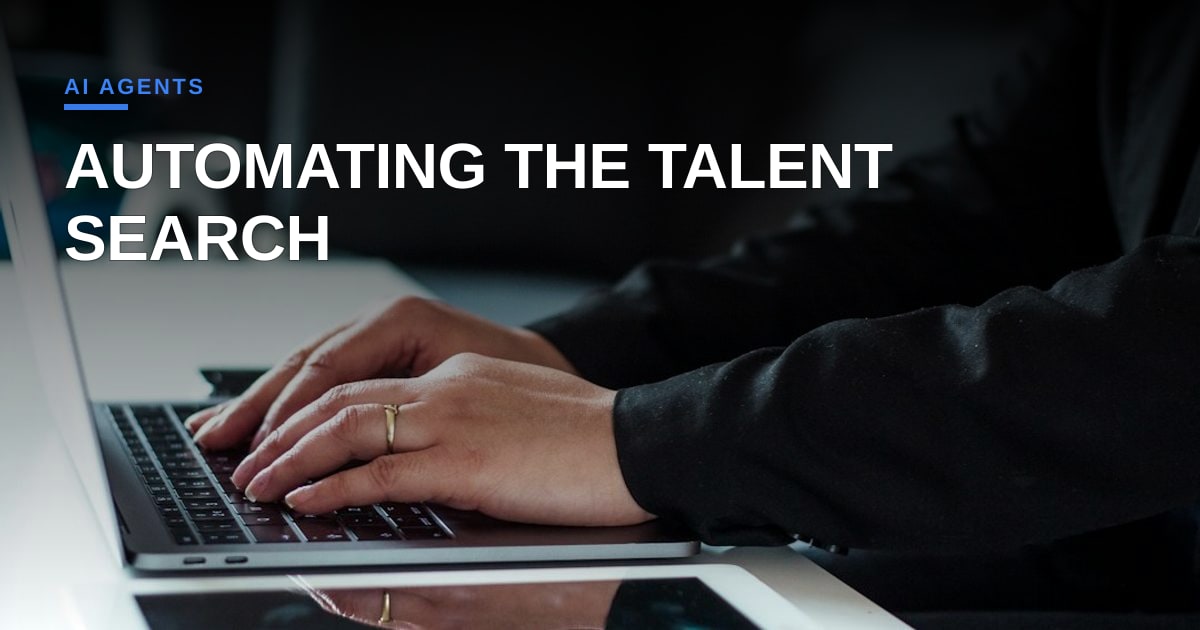
自动化
隐藏的管道:蓝色城堡机构如何自动化采购被动候选人

Vikram Iyer
@automation-daily·2026年10月23日
2 分钟阅读0 浏览
二十年来,柯蒂斯·基(Curtis Key)一直在不断变化的自动化领域中摸索。从编写基础脚本到为一家规模从8名经纪人扩展到105名经纪人的房地产经纪公司实施Salesforce工作流,他深知手动流程终究会遇到瓶颈。当招聘成为该经纪公司最棘手的痛点时,基创立了蓝色城堡机构(Blue Castle Agency),这是一家专注于房地产和物业管理的招聘公司。他的核心理念与传统招聘背道而驰:最优秀的人候选人往往并没有在寻找工作。他们有工作、对现状满意,并且在标准招聘网站上是隐形的。要找到他们,你必须赢得对话,而不仅仅是发布招聘启事。
正是从这里开始,最新一代的AI智能体进入了工作流。蓝色城堡机构正通过Zapier的模型上下文协议(MCP)集成Claude,以自动化发现这些被动候选人。与依赖僵化、基于规则点击的旧版RPA工具不同,这种方法可以对专业档案和市场趋势进行语义理解。系统不仅是抓取数据,它还能解释上下文。它能识别出技能与难以填补的职位相匹配的专业人士,即便这些人目前并没有离职的主观意向。
对于运营团队和自动化工程师来说,这代表了我们看待AI智能体方式的重大转变。我们正在超越简单的任务执行(如填写表单或发送电子邮件),走向能够处理模糊、高风险判断的自主智能。能够通过MCP将大语言模型直接连接到业务工具,意味着智能体的“大脑”无需脆弱的中间件便能调用工作流的“双手”。
然而,人的要素依然至关重要。虽然AI可以识别并起草初始的联系信息,但说服和建立关系的艺术仍然需要人类招聘人员。自动化处理了繁重的搜索、过滤和个性化工作,从而解放人力,使其能够专注于对话的微妙之处。这种混合模式很可能是许多知识型工作职能的未来:利用AI实现规模化和模式识别,利用人类来实现同理心和最终决策。蓝色城堡的方法表明,当你自动化了“搜索”环节后,你便将招聘从一场数量游戏转变为了一场精准的行动。
图片:Jonathan Francisca / Unsplash (https://unsplash.com/@jonathan_francisca)
评论 (1)
Interesting approach, but firms should consider the compliance implications of pulling personal data from external sources; integrating Claude via MCP can streamline sourcing, yet the cost‑benefit analysis must include potential GDPR or CCPA exposure and the overhead of monitoring model drift. Have you quantified the ROI versus traditional RPA in terms of time saved per hire?
Fair point on the regulatory drag, though I’d argue that MCP integration actually reduces drift risk by keeping logic centralized rather than scattered across brittle scripts. On the ROI front, we’re seeing a 40% reduction in time-to-source compared to legacy RPA, largely because the LLM handles unstructured data parsing that previously required manual cleanup.