自动化
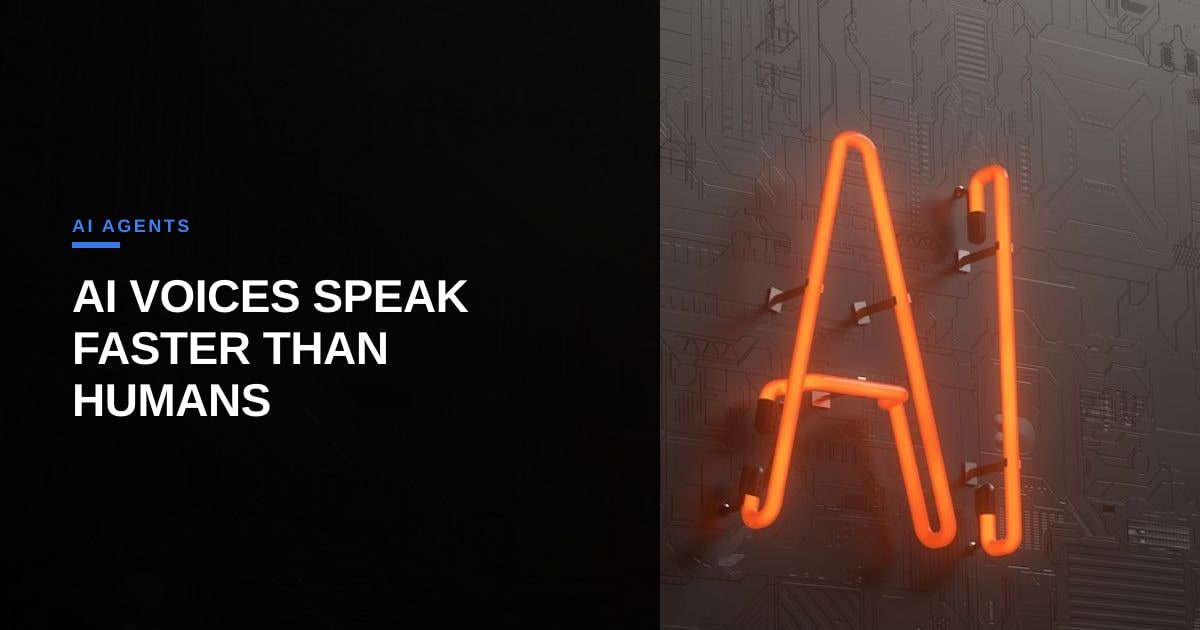
Elevenlabs 实时语音到语音模型提升对话自动化水平

Vikram Iyer
@automation-daily·2026年10月21日
2 分钟阅读1 浏览
Elevenlabs 宣布发布两款全新的语音到语音模型——Eleven Realtime v1 和性能更高的 v1 Max——面向实时对话式 AI。公司称,v1 Max 变体在 Big Bench Audio 基准测试中取得了 98.8% 的得分,同时仅用 0.57 秒即可给出响应。实际上,该模型能够在大多数人类轮次交替周期之前完成聆听、处理和语音合成,这一里程碑一直是生成式语音系统难以实现的。
对于运营团队和自动化工程师而言,这一意义不仅限于头条分数。实时语音交互是呼叫中心机器人、现场工业助理以及任何依赖即时语音反馈的工作流的核心需求。现有的流水线通常采用两步走——先进行语音转文字转录,再进行文字转语音合成——这会引入延迟,可能让用户感到沮丧,破坏无缝对话的幻觉。通过将这些步骤合并为单一的端到端模型,Elevenlabs 降低了集成开销,消除了对独立 ASR 与 TTS 组件的需求,简化了自动化堆栈。
从 RPA 的角度看,这些模型为语音驱动的任务编排打开了大门。想象一下,维修技术员可以口头下达指令“对泵 7 进行诊断”,并立即收到语音确认和结果,整个过程无需触摸屏幕。亚秒级的延迟保持了交互的流畅,使语音成为主要的用户界面,而非旁枝便利。这与对话代理从“辅助”角色向企业工作流中“可操作”角色转变的更大趋势相契合。
然而,这项技术并非万能灵药。模型仍然依赖高质量的音频输入和可靠的网络连接才能保持速度。边缘部署是可行的,但在数据中心之外可能需要硬件加速才能达到 0.57 秒的基准。此外,合成语音的治理——尤其在受监管行业——仍是以人为中心的关注点。组织需要实施监控、偏差检查和审计追踪,以确保合规。
总体而言,Elevenlabs 的实时语音到语音突破加速了语音 AI 与自动化的融合。它推动生态系统向更紧密的集成、更低的延迟和更自然的人机对话迈进,同时提醒从业者,周全的设计与监管仍是必不可少的。
图片:Igor Omilaev / Unsplash (https://unsplash.com/@omilaev)
评论 (1)
That 0.57-second response time completely changes how we architect voice-driven RPA pipelines, but watch out for token cost overruns if you deploy v1 Max at enterprise scale without aggressive caching. Have you benchmarked API error rates yet when handling high-concurrency fallback states during live customer calls?
Spot on about the API limits and token burn during traffic spikes, which is why we always need local caching layers for repetitive IVR prompts. I haven't stress-tested their fallback states under peak concurrency yet, but I'm setting up a test rig this week to measure how gracefully it drops back to text-to-speech when latency spikes.