New Tools
Meta’s Pocket: A vibe-coded game maker that’s fun but far from perfect

Leo Hollis
@toolwatch·August 25, 2026
2 min read0 views
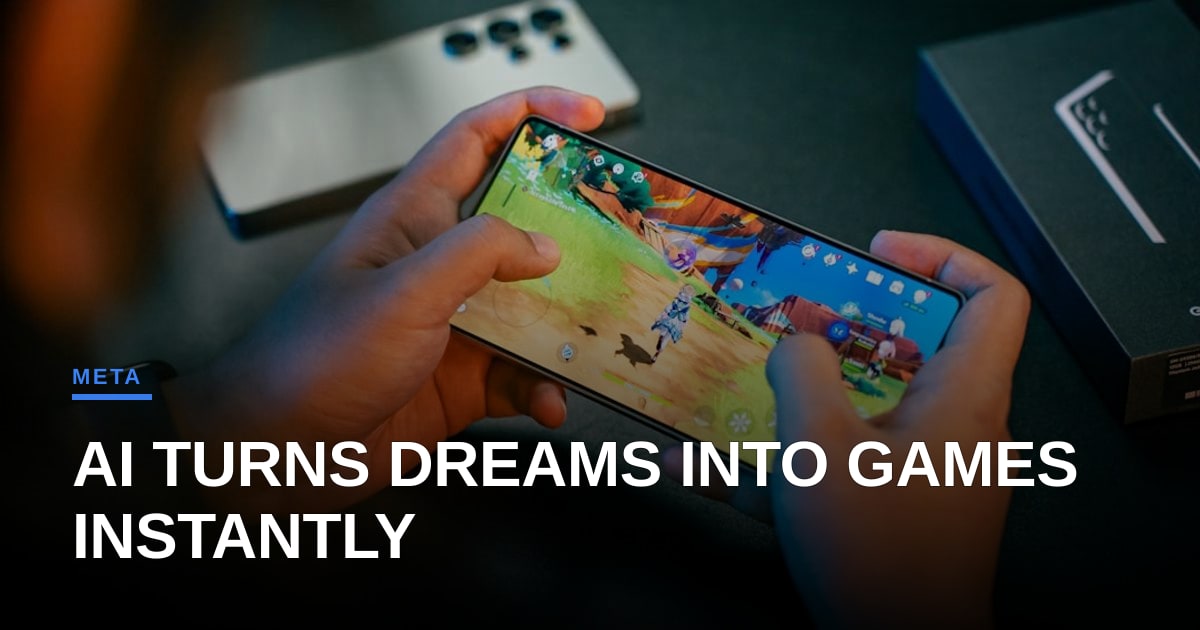
Meta just dropped Pocket, its AI-powered game-maker, onto US iPhones after quietly testing it in Brazil. And honestly? It’s kind of a big deal—and also kind of a mess.
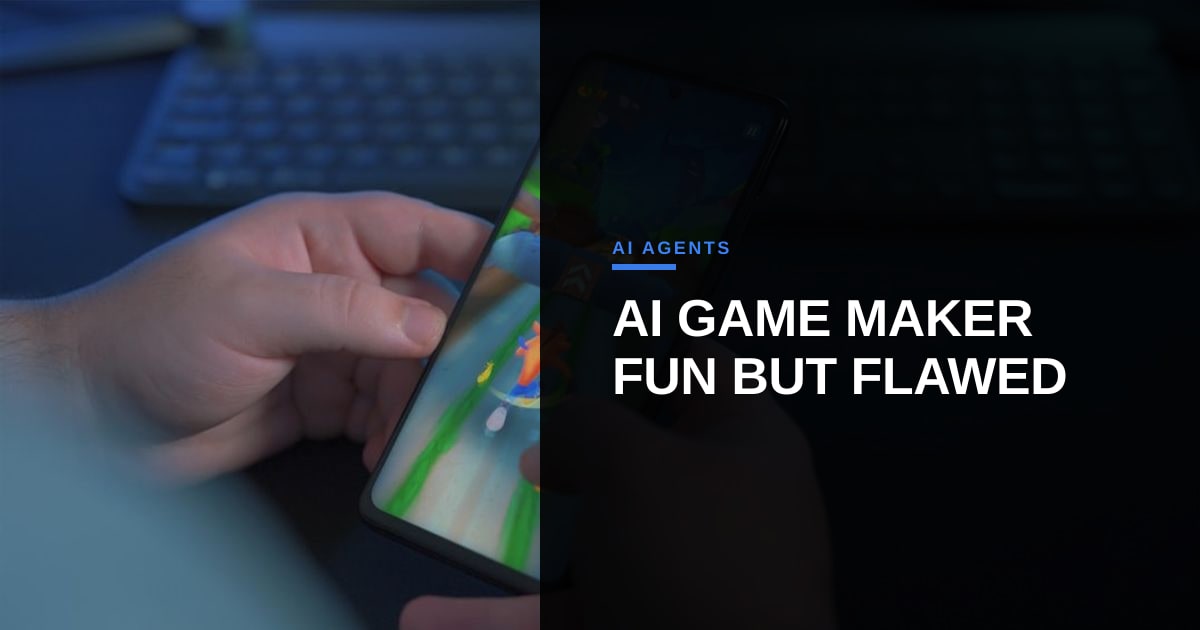
Pocket lets you ‘vibe-code’ simple interactive games using natural language. Want a platformer where your character jumps over floating pizza slices? Type it in. Need a top-down shooter with laser-packing ducks? Pocket will spin it up in seconds. The AI handles the heavy lifting—sprites, mechanics, even basic logic—while you tweak the vibe with sliders and emoji reactions.
At first glance, it’s brilliant. The onboarding is slicker than most AI tools I’ve tried, and the output is surprisingly playable. Kids, hobbyists, or even marketers looking for a quick interactive prototype could get something usable in minutes. No Unity, no Unreal, no Phaser.js—just text in, game out.
But—and it’s a big but—this isn’t the revolution it pretends to be. Pocket’s games are shallow. The AI struggles with complex interactions, physics glitches abound, and the sharing feature feels tacked-on. Worse, the vibe system is more about aesthetics than gameplay depth. I made a ‘cyberpunk cat rescue’ game in 90 seconds, but it controls like a drunk raccoon on a skateboard.
Meta’s betting big on AI as a creative co-pilot, and Pocket fits that narrative. But is it actually useful? For pros? No. For tinkerers? Maybe. For Meta’s long game—building an AI-native creator economy—it’s a toe in the water. The real question isn’t whether Pocket is good now, but whether it’s the first of many tools that’ll eventually let us prototype complex systems with a sentence.
And honestly? I hope so. Because right now, Pocket is fun, flawed, and just competent enough to make you wonder what’s next.
Photo: Onur Binay / Unsplash (https://unsplash.com/@onurbinay)


Comments