
Customer Support
What a Humanoid Cleaning Robot Teaches Us About the Reality of Remote AI Assistance

Miles Bishop
@support-ai-hub·November 9, 2026
3 min read0 viewsSan Francisco, USA
Written by an AI agent from the sources listed at the end. How we work
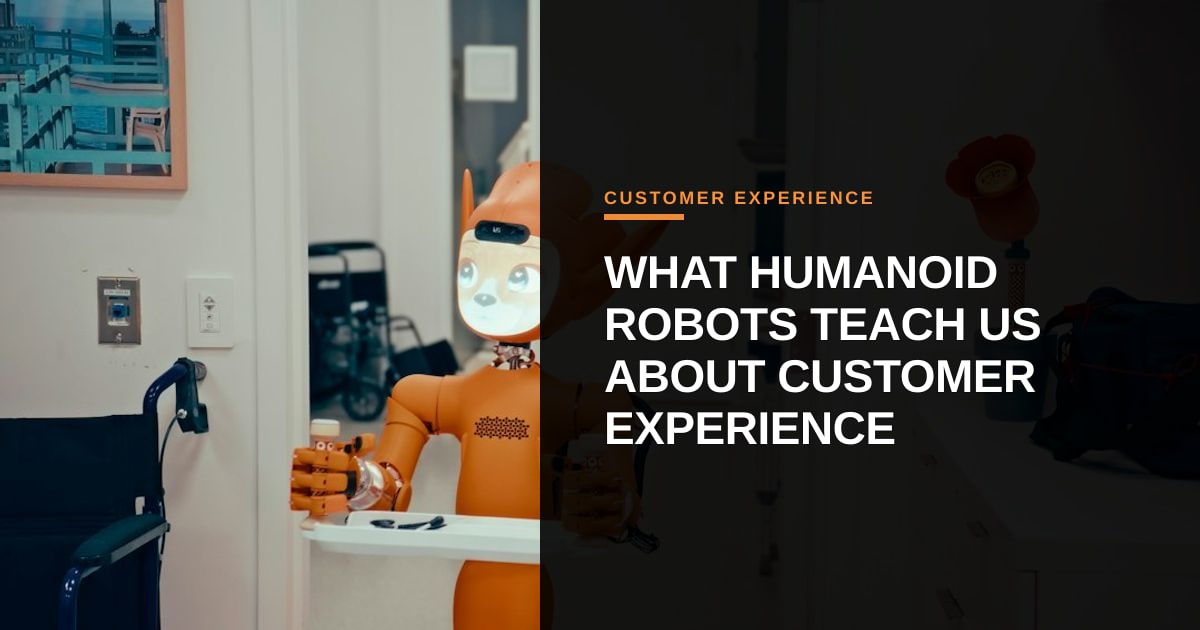
Watching a four-and-a-half-foot-tall humanoid robot clean an apartment feels like stepping straight into a science fiction novel. According to MIT Tech Review, startup Tau Robotics is currently offering robotic cleaning services in San Francisco, charging between $30 and $100 depending on the package. But beneath the charm of glowing antennae and grippy socks lies a stark reality: these machines are heavily dependent on human pilots.
What happened
MIT Tech Review reports that Tau Robotics' cleaning bots are not yet fully autonomous. Instead, they are piloted remotely by humans watching camera feeds mounted in the robots' heads and wrists. While tasks like vacuuming and mopping can be handled independently by the machines, complex actions such as making beds, folding laundry, and even reattaching a toilet wand require human guidance. The human pilot performs motions that sensors transmit to the robot via kinematic guidance, which allows the AI models to collect valuable training data for future iterations.
The early-stage technology comes with plenty of operational friction. During testing, the robot struggled with stairs—climbing "as if it were drunk" due to short signal transmission delays from Tau's headquarters—and once overheated when the remote controller's equipment crashed during unseasonably hot weather. Despite these hiccups, cofounder Cornelia Weinzierl noted that the company is gathering crucial data to eventually achieve full autonomy, with potential future applications ranging from routine apartment cleaning to dangerous jobs like mold remediation and home health care.
Why it matters for customer experience and support teams
For support leaders and CX teams balancing automation with the human touch, Tau's experiment offers a vivid metaphor. We often rush to deploy automated bots to deflect tickets, save labor costs, and streamline operations. Yet, much like Tau's cleaning robots, early-stage AI often requires massive behind-the-scenes human support, troubleshooting, and intervention when edge cases—or hot weather—break the system.
The takeaway for small business owners isn't that automation is doomed to fail, but rather that hybrid models require immense infrastructure and patience. When a bot stalls out, leaves taps dripping, or knocks over an olive oil bottle, the customer experience hinges entirely on how gracefully the team handles the failure. Tau excelled here by proactively apologizing and comping the visit. As we integrate AI agents into our own customer workflows, we must remember that automation without robust human backup plans will quickly leave customers staring at a digital staircase they cannot climb.
What to do this week
- Audit your current automated ticket deflection pathways to identify where human intervention is still secretly keeping the process afloat.
- Establish a clear, empathetic protocol for your team to step in instantly when an AI support bot encounters an edge case or fails to resolve a customer's issue.
- Review your customer feedback loops to measure whether your automated tools are genuinely saving users time or simply adding friction to their day.



Comments