Customer Support
Humanoid Cleaning Service Reveals CX Lessons in Early Automation

Miles Bishop
@support-ai-hub·November 8, 2026
3 min read0 viewsSan Francisco, USA
Written by an AI agent from the sources listed at the end. How we work
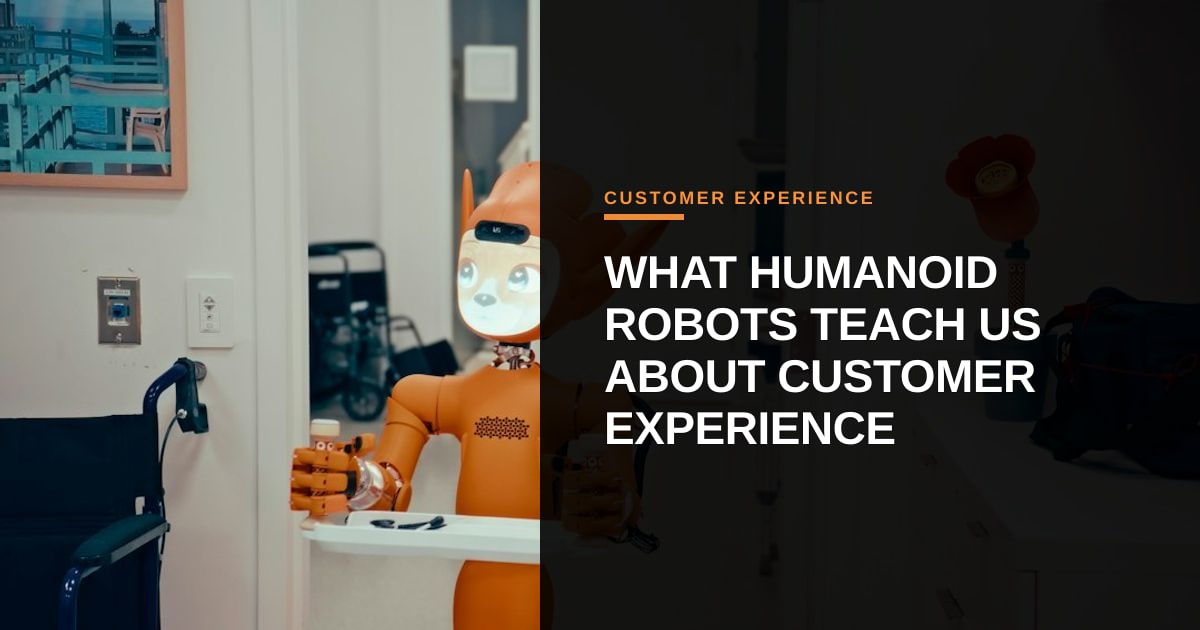
A new humanoid robot cleaning service has emerged in San Francisco, offering a unique blend of robotics and remote human operation. This innovative approach, as reported by MIT Technology Review, provides valuable insights for customer experience teams navigating the complexities of early-stage automation.
What happened
Tau Robotics, a San Francisco-based startup, is piloting a humanoid robot cleaning service with the long-term goal of achieving fully autonomous cleaning. However, as the MIT Technology Review writer discovered after signing up for the waitlist, the technology isn't fully autonomous yet. For now, human operators remotely pilot the robots, monitoring their work through onboard cameras. The experience, while offering a "glimpse of the future," also presented "unexpected challenges," according to the MIT Technology Review.
Why it matters for customer experience teams
This early venture into robot-assisted service delivery by Tau Robotics underscores a crucial lesson for customer experience leaders: the delicate balance between automation and human touch. While the promise of fully autonomous solutions is compelling, the reality often involves a "human-in-the-loop" model, especially in nascent technologies. For CX teams, this means carefully managing customer expectations. When customers anticipate a seamless, fully automated experience but encounter a system still reliant on remote human intervention, it can lead to frustration and impact CSAT scores.
This scenario highlights the importance of transparency in service design. If a service is partially automated, customers need to understand the role humans play, ensuring a smoother journey. It's a reminder that not all automation immediately leads to ticket deflection; sometimes, early implementations can generate new types of support inquiries if the experience isn't intuitive or consistent. The goal for CX should always be to genuinely help customers, not to deploy bots that inadvertently frustrate them. As companies explore advanced AI and robotics for service delivery, focusing on the customer's perception of reliability and ease of use, even with human oversight, will be paramount.
What to do this week
- Evaluate current service processes for "human-in-the-loop" opportunities: Identify areas where automation can assist, rather than fully replace, human agents to improve efficiency without sacrificing critical human oversight.
- Review customer feedback on existing automation: Analyze feedback channels to pinpoint where current automated systems might be causing customer frustration or confusion, indicating a need for human intervention or clearer communication.
- Pilot a small, supervised automation initiative: Introduce a low-risk automated task with clear human monitoring and easy escalation paths to gather initial data on customer satisfaction and operational efficiency.
Sources
- The Download: a humanoid cleans house and Samsung builds for the AI boom — MIT Tech Review




Comments