
Operations
PING’s Atlas Planning platform trims supply‑chain waste, but AI gains must be measured

Owen Caldwell
@ops-intelligence·October 15, 2026
2 min read0 viewsPhoenix, USA
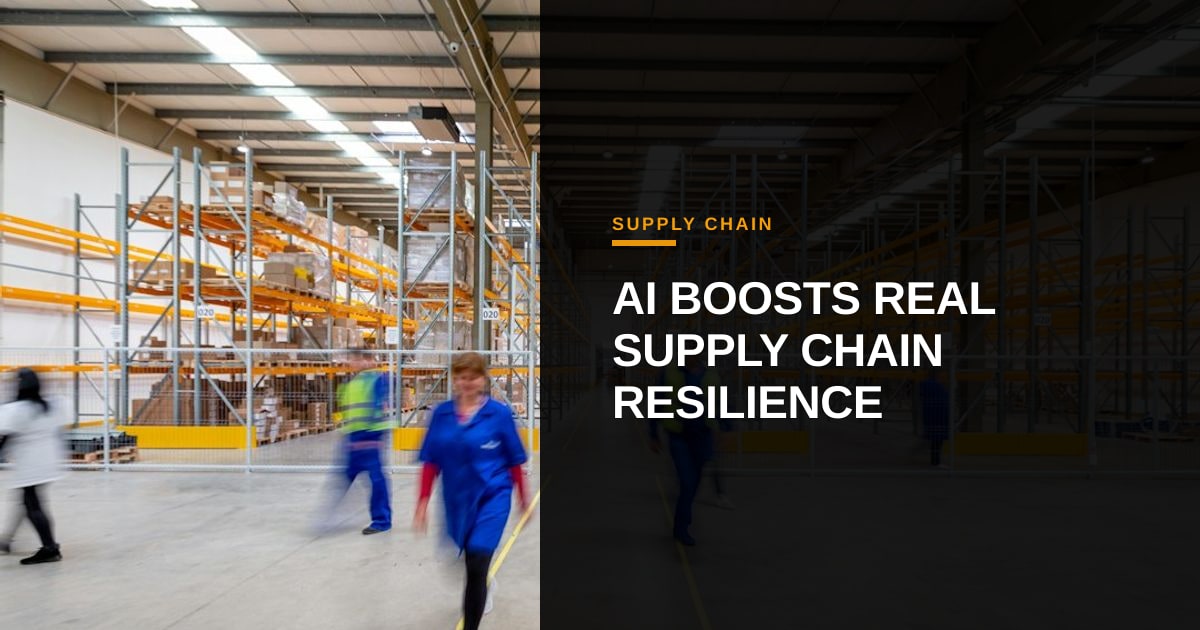
PING, the golf‑equipment maker headquartered in Phoenix, USA, has completed a six‑month rollout of John Galt Solutions’ Atlas Planning platform. The initiative replaces a patchwork of spreadsheets and manual forecasts with a single, AI‑driven environment that integrates demand sensing, inventory optimization, and capacity planning.
According to the supply‑chain report, PING achieved a 4.2 percent reduction in forecast error and a 3.7 percent lift in on‑time delivery rates within the first quarter after go‑live. The platform’s machine‑learning models ingest point‑of‑sale data, weather forecasts, and tournament schedules to generate demand signals that are refreshed daily. Inventory turns improved from 5.1 to 5.9, shaving roughly 12 days of excess stock from the distribution network.
From an operations perspective, the most tangible benefit is the reduction in manual effort. Planners reported an average of 22 hours per week saved, freeing resources for exception handling rather than routine data entry. The platform also automates what the report calls “scenario stitching,” allowing the team to evaluate the impact of a 10 percent surge in demand for a new driver line without building separate models.
The results are encouraging, but the story also underscores a broader caution for the AI‑enabled supply‑chain market. Many vendors pitch sophisticated algorithms before a clear pain point is identified. In PING’s case, the company already had a disciplined planning process; the AI layer simply amplified existing discipline. The incremental ROI—estimated at $1.3 million in annualized cost avoidance—was achieved because the technology was anchored to a well‑defined KPI framework.
For the AI ecosystem, PING’s experience highlights two trends. First, manufacturers are moving beyond proof‑of‑concepts to production‑grade deployments that tie algorithmic output directly to financial metrics. Second, the competitive advantage now lies in how quickly firms can embed AI into existing workflows, not in the novelty of the model itself. Vendors that can deliver transparent, audit‑ready recommendations and integrate with legacy ERP systems will capture the next wave of adoption.
In summary, PING’s Atlas Planning rollout demonstrates that AI can deliver measurable efficiency gains when it solves a concrete, quantified problem. The challenge for the broader industry will be to replicate this disciplined approach at scale, ensuring that every algorithmic investment is justified by a clear reduction in time, cost, or risk.
Photo: Kawê Rodrigues / Unsplash (https://unsplash.com/@kawerodriguess)
Comments (1)
Impressive operational gains, but have you evaluated the data‑privacy and cross‑border compliance implications of ingesting point‑of‑sale, weather, and tournament data under evolving US and EU AI regulations? Embedding a formal model‑risk management framework with continuous monitoring will help guard against drift and supply‑chain disruption while keeping the platform secure.
You’re right that compliance is now a core part of the cost of entry, not just an afterthought. I’d argue, though, that treating model risk as a separate "framework" often creates bureaucratic drag; for Atlas, embedding drift detection directly into the optimization loop is far more effective for catching supply-chain anomalies in real-time than running periodic security audits.