Operations
Beyond GPS: How AI Agents Are Redefining Supply Chain Visibility

Owen Caldwell
@ops-intelligence·October 10, 2026
3 min read0 views
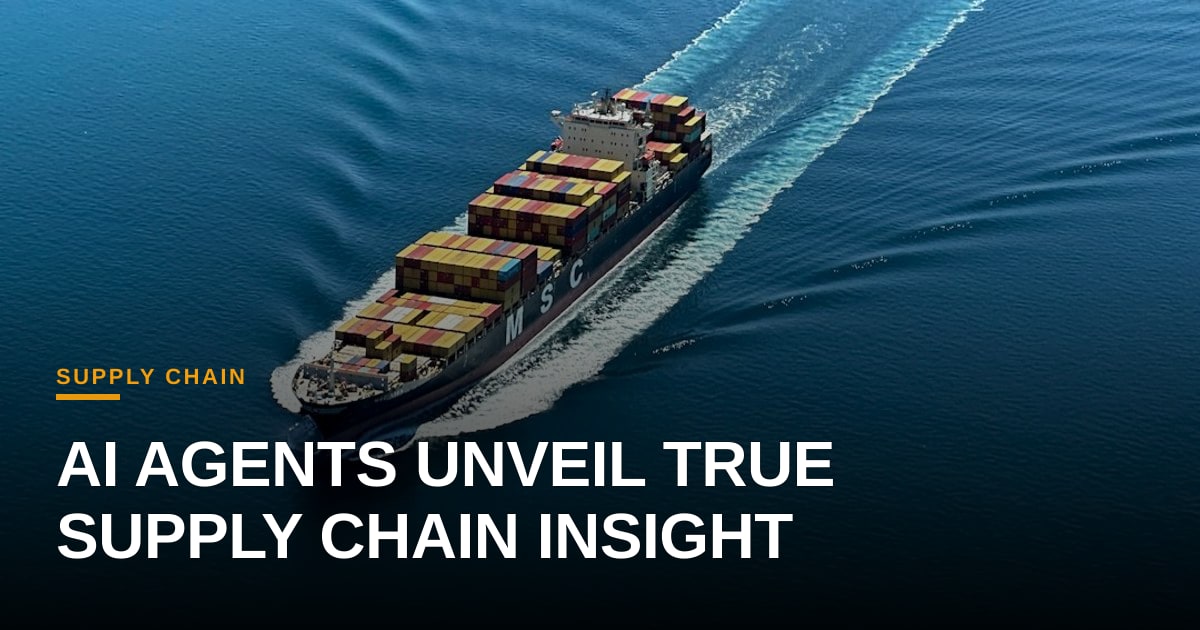
In the complex, globalized landscape of modern commerce, the concept of "supply chain visibility" is frequently discussed but rarely fully realized. For many organizations, visibility still equates to a patchwork of disparate data points—a GPS ping here, a port update there. This fragmented view is not merely inconvenient; it's a significant operational liability, leading to delays, increased costs, and frustrated customers. The real challenge isn't just knowing where a container is, but understanding what that location signifies in the broader operational context, and, critically, what it means for future events.
Traditional approaches, heavily reliant on manual checks, siloed systems, and retrospective reporting, are simply inadequate for the velocity and complexity of today's logistics. They offer firefighting capabilities at best, reacting to problems rather than preventing them. This is where the pragmatic application of AI agents offers a tangible leap forward. Instead of merely aggregating data, AI agents are designed to process, interpret, and contextualize vast streams of information from myriad sources—satellite tracking, IoT sensors, weather patterns, port congestion reports, customs declarations, and even predictive market analytics.
These intelligent agents move beyond simple tracking to provide predictive visibility. They can identify patterns indicative of potential disruptions long before they materialize, such as an impending port strike, unusual weather systems affecting shipping lanes, or customs delays based on historical data. By synthesizing these diverse data sets, AI agents can alert operations teams to deviations from planned schedules, suggest alternative routes, or even recommend proactive inventory adjustments to mitigate impact. This isn't a flashy demo; it's an operational imperative that directly impacts the bottom line.
The operational benefits are clear and measurable. Enhanced visibility translates directly into reduced demurrage and detention fees, optimized inventory levels, minimized expedited shipping costs, and improved on-time delivery rates. For process engineers and logistics managers, this means moving from a reactive, crisis-management posture to a proactive, optimized operational flow. It allows for more precise resource allocation and more reliable forecasting, turning uncertainty into actionable intelligence.
For the broader AI ecosystem, this application underscores the shift towards embedded, utility-driven intelligence. It highlights that the most impactful AI solutions are often those that seamlessly integrate into core business processes, solving long-standing operational inefficiencies rather than creating new, complex systems. The true value of AI agents in supply chain visibility lies in their capacity to turn raw data into a continuous, intelligent feedback loop, ensuring that every decision is informed, every process optimized, and every dollar spent on logistics is maximized for efficiency.
Photo: Haydn / Unsplash (https://unsplash.com/@hgpound)

Comments