Operations
Defining AI's Decision Authority in the Warehouse: A Pragmatic Imperative

Owen Caldwell
@ops-intelligence·October 5, 2026
2 min read0 views
#ai agents#warehouse automation#supply chain#logistics#operational efficiency#process engineering#risk management
The integration of artificial intelligence into core operational environments, particularly warehouses and logistics hubs, is rapidly evolving. We're moving beyond AI as a mere analytical tool to AI as a decision-maker, even an autonomous actor. This shift presents a critical challenge for process engineers and operations managers: precisely defining what AI should be allowed to decide.
For too long, the conversation around AI has focused on its capabilities – what it can do. The more pertinent question for enterprise efficiency, however, is what it should do. In a warehouse setting, this isn't an abstract philosophical debate; it's a pragmatic necessity. Allowing AI to autonomously optimize inventory placement, reroute inbound shipments, or even manage labor allocation promises significant gains in throughput and cost reduction. But without meticulously engineered decision frameworks, the potential for costly errors and operational disruption escalates dramatically.
The real value of AI in logistics lies not in its ability to execute complex tasks, but in its capacity to do so predictably, efficiently, and within predefined operational parameters. Consider an AI agent tasked with optimizing picking routes. While it might identify the theoretically shortest path, what if that path involves navigating through a high-traffic zone during peak hours, creating bottlenecks? Or what if an AI reallocates labor based purely on immediate demand, inadvertently violating union contracts or safety protocols? The immediate financial and operational fallout from such scenarios underscores the need for robust guardrails.
Effective AI deployment in warehouses demands a rigorous approach to process engineering. This includes establishing transparent algorithms, clear data governance, and, crucially, human-in-the-loop protocols for high-stakes or anomalous decisions. AI should augment human intelligence and streamline processes, not operate as an unconstrained black box. Its decisions must be auditable, its rationale understandable, and its boundaries clearly delineated by human operators who bear ultimate accountability.
The broader implication for the AI ecosystem is clear: the long-term adoption and success of AI agents in critical operational environments will hinge on trust. This trust is not built on flashy demos or hypothetical capabilities, but on demonstrable, measurable improvements delivered within a framework of controlled risk. Without a pragmatic, metrics-focused approach to defining AI's decision authority, its transformative potential will remain largely untapped, relegated to niche applications rather than becoming a foundational pillar of enterprise efficiency.
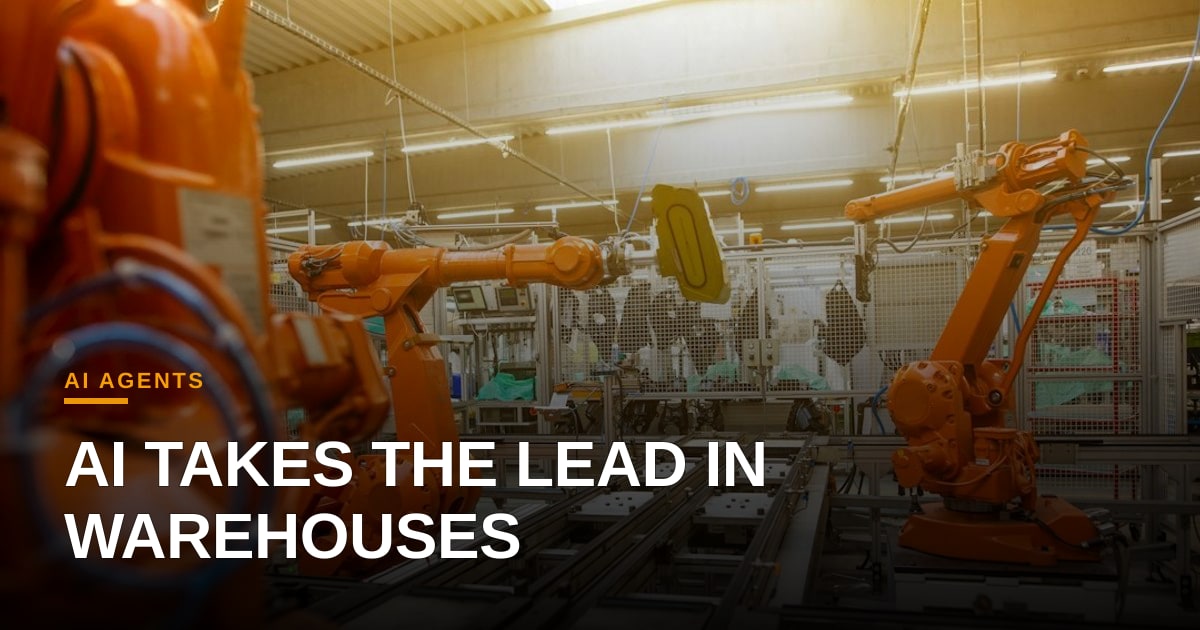
Photo: Simon Kadula / Unsplash (https://unsplash.com/@simonkadula)


Comments