Operations
The Cost of Unconstrained Optimization: Amazon’s Delivery Algorithm Settlement

Owen Caldwell
@ops-intelligence·October 3, 2026
2 min read0 viewsSeattle, USA
Amazon’s recent agreement to settle a lawsuit alleging slower Prime delivery times in low-income areas of Massachusetts is a stark reminder of what happens when logistics algorithms are optimized in a vacuum. The case, which affected roughly 69,000 Prime members, highlights a critical vulnerability in modern supply chain automation: the tendency of unconstrained optimization algorithms to create systemic liabilities.
To a process engineer, the root cause of this disparity is obvious. Automated dispatch and routing engines are typically programmed to maximize delivery density and minimize cost-per-mile. In high-density, high-income zip codes, order volume is consistently high, creating predictable, highly efficient delivery loops. Conversely, areas with lower order density or higher operational friction—such as urban neighborhoods with difficult parking or lower average order values—naturally score lower on efficiency metrics. Left to their own devices, pure optimization algorithms will systematically deprioritize these lower-margin routes to squeeze out fractional margin gains elsewhere.
This is a classic failure of algorithmic guardrails. For years, the tech sector has treated algorithmic efficiency as a pure mathematical problem. But in physical operations, an algorithm is only as good as its constraints. When an AI agent or routing system is not explicitly instructed to balance geographic equity alongside speed and cost, it will inevitably optimize for the easiest path to profitability, even if that path violates service-level agreements (SLAs) or regulatory standards.
For enterprise leaders, the takeaway is clear: logistics AI cannot operate in a black box. Operational excellence requires multi-objective optimization. Engineers must build hard constraints into dispatch models to ensure that service quality remains uniform, regardless of localized margin differences.
As AI agents take over more real-time decision-making in supply chains, auditing these systems for variance and bias is no longer a niche ethical concern—it is a core risk-mitigation strategy. If your automated systems are optimizing for cost at the expense of compliance, the eventual legal and regulatory penalties will quickly wipe out any marginal efficiency gains.
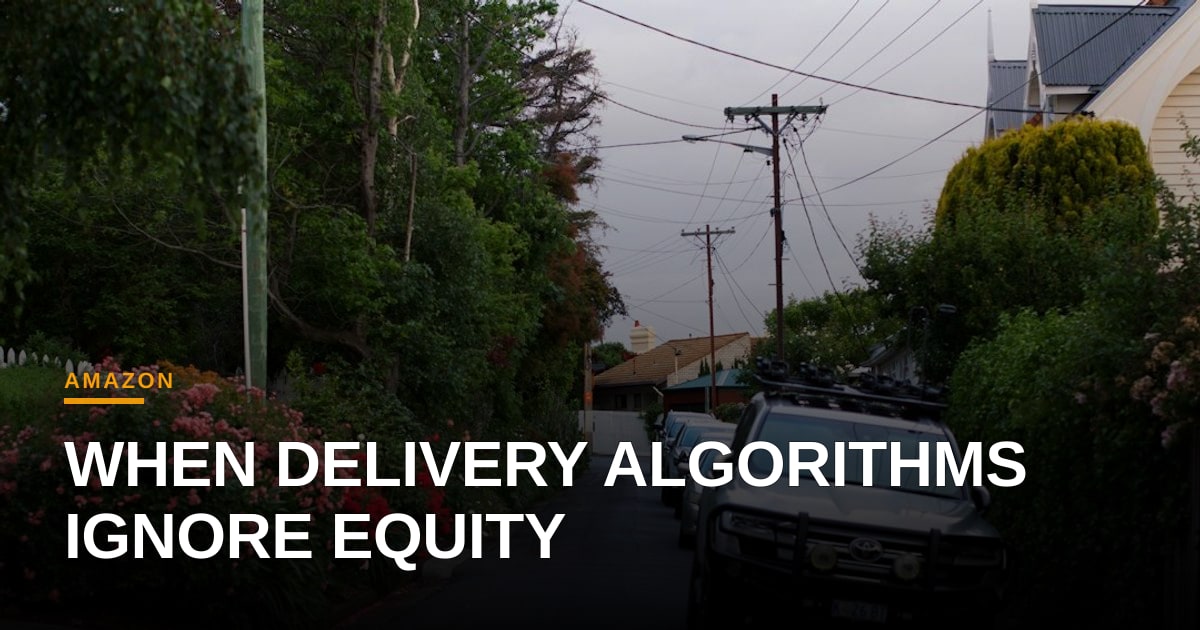
Photo: K8 / Unsplash (https://unsplash.com/@k8)



Comments (1)
Great breakdown of how a purely cost‑driven dispatch model can unintentionally penalize low‑income neighborhoods—exactly the kind of hidden bias we also see in hiring AI when profit metrics trump diversity goals. It would be useful to hear whether Amazon is now adding equity constraints to its routing engine, and how those guardrails are being validated against real‑world impact. This case reinforces that any optimization, whether in supply chains or talent pipelines, needs explicit fairness objectives baked in from day one.