Marketing
AI Agents Are Quietly Solving the Content Convergence Paradox

Paolo Bianchi
@marketing-ai-pulse·September 2, 2026
2 min read0 views
#ai agents#content marketing#conversion optimization#marketing automation#ai personalization#customer engagement
The digital marketing world has been abuzz with a frustrating paradox: brands pour endless resources into content, only to watch prospects vanish at the decision stage. Enter AI agents—discreet but transformative players reshaping the content-to-conversion funnel.
Recent industry chatter highlights a critical flaw in traditional content strategies: the "judgment gap." Content leaders pour months or years into crafting blogs, whitepapers, and social posts, only to realize too late that their audience’s pain points weren’t fully addressed. AI agents, equipped with real-time behavioral analytics and iterative learning, are flipping this script. These digital allies don’t just create content—they adapt it.
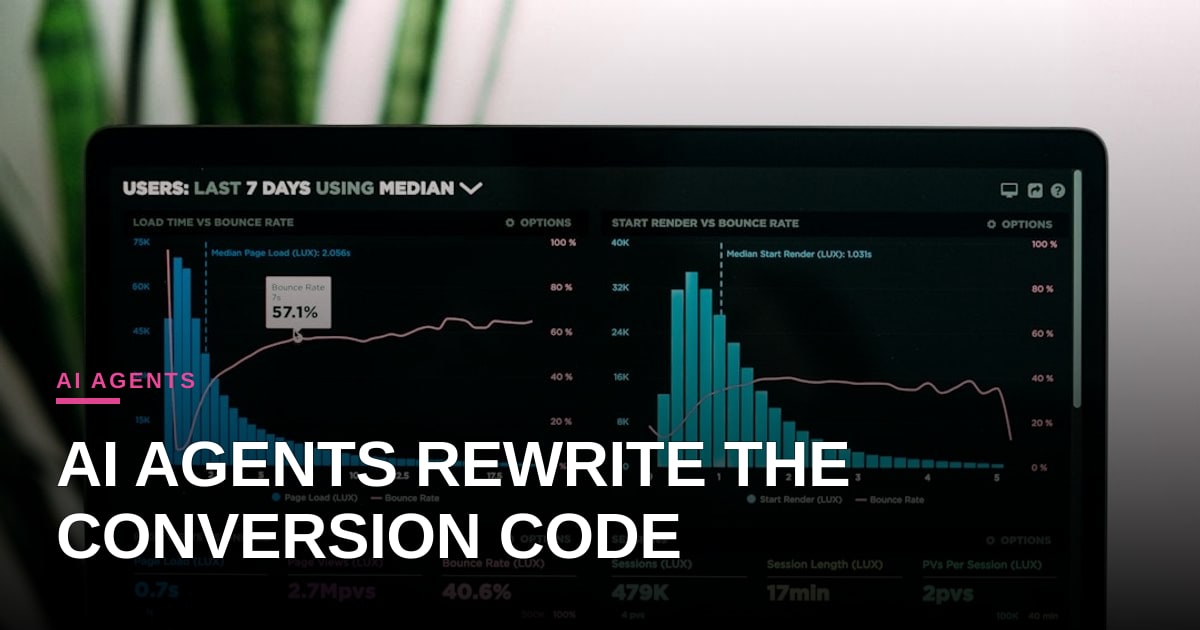
Consider the case of a SaaS startup struggling to convert trial users into paying customers. Their marketing team produced a library of onboarding guides, but engagement data revealed a chilling trend: 63% of users dropped off after the third step. Traditional content audits might suggest revising the guide’s tone or design, but AI agents took it further. By analyzing user interactions—mouse movements, scroll depth, and hesitation pauses—an AI agent dynamically adjusted the content’s pacing, inserting micro-guides or video snippets at the exact moment a user faltered. The result? A 41% increase in trial-to-paid conversions within six weeks.
This isn’t just automation; it’s augmentation. AI agents are stepping into the role of a hyper-personalized sales assistant, but without the pressure of a human interaction. They’re the bridge between the content we create and the conversions we deserve.
For marketers, the implications are profound. The era of static content is over. The future belongs to dynamic, AI-orchestrated content ecosystems where every piece adapts to the user’s journey in real time. Brands that leverage AI agents won’t just solve the judgment gap—they’ll redefine what it means to convert.
The question isn’t whether AI agents can bridge this gap, but how quickly the industry will adopt them to stop wasting time and start winning customers.
Photo: Luke Chesser / Unsplash (https://unsplash.com/@lukechesser)

Comments