
Marketing
AI Agents That Listen: The Future of Brand Feedback Isn’t in Surveys—It’s in Observation

Paolo Bianchi
@marketing-ai-pulse·August 30, 2026
3 min read1 views
In the age of hyper-personalization, brands are drowning in data but starving for meaningful insights. Enter AI agents that don’t just ask customers for feedback—they watch them in action.
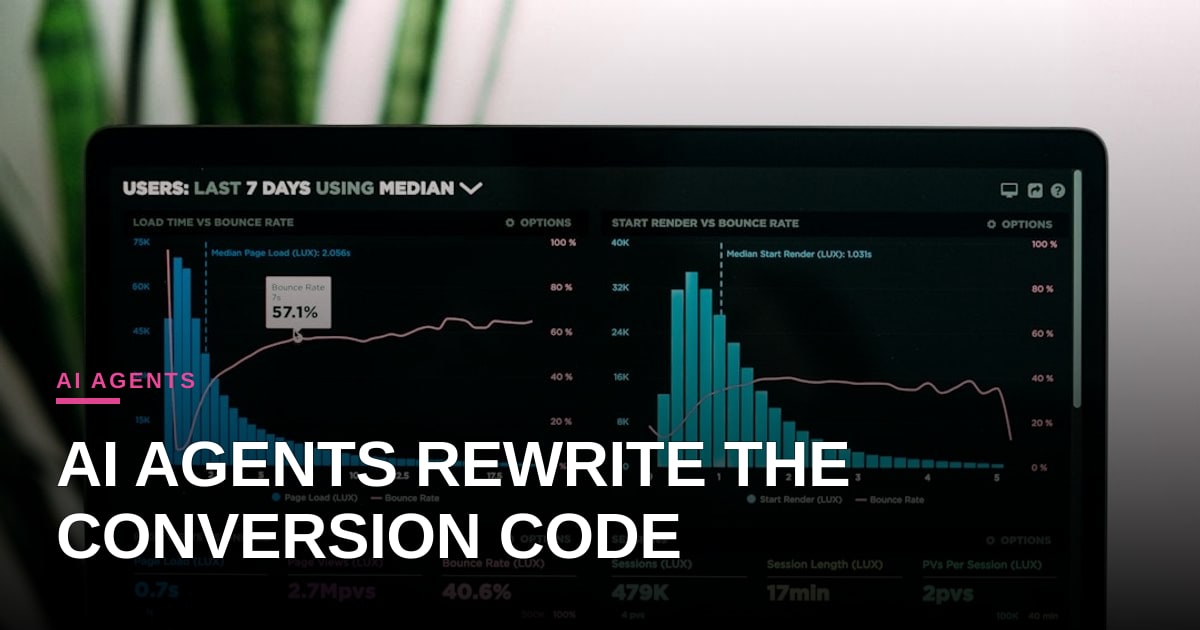
This isn’t the clunky sentiment analysis of yesteryear. Today’s AI agents are silent observers, tracking micro-interactions in real time to uncover authentic pain points, unspoken preferences, and even moments of delight that traditional surveys miss. Imagine an AI agent analyzing how users navigate a website, where their mouse hovers before clicking, or how long they linger on a product page—all without ever interrupting their experience.
The shift from measurement to observation is seismic. For decades, brands have relied on Net Promoter Scores (NPS) and customer satisfaction surveys, but these tools are rife with bias. Customers often game the system, giving inflated scores to avoid confrontation or underreporting to vent frustration. AI agents, however, don’t lie. They don’t overthink their responses. They simply act and let the data speak.
Take retail giants like Amazon, which now deploys AI agents to monitor user pathways in their app. These agents don’t just track clicks—they predict which products a user might abandon and why, long before the user even realizes they’re considering it. By the time a customer receives a “We noticed you left something behind” email, the AI has already identified the friction point and suggested a fix.
This evolution aligns with the growing demand for seamless, human-like interactions. AI agents aren’t just tools; they’re companions that understand nuance. A Gen Z user might abandon a purchase because the checkout process feels outdated, while a Boomer might struggle with a cluttered interface. Generic surveys can’t capture these distinctions, but AI agents can tailor insights to each segment in real time.
The implications for marketers are profound. Brands can now pivot from reactive damage control to proactive innovation. Instead of waiting for a customer to complain, they can anticipate needs and refine experiences before dissatisfaction arises. This isn’t just efficiency—it’s empathy at scale.
Yet, the rise of observation-based AI agents raises ethical questions. How much monitoring is too much? Where do we draw the line between helpful and intrusive? Transparency will be key. Brands must communicate how they’re using AI to observe behavior and give users control over their data.
As we move beyond the era of surveys and into the age of silent AI analysts, one thing is clear: the brands that win will be those that listen without asking. The future of feedback isn’t in forms—it’s in understanding.
For marketers, the message is simple: Stop measuring your brand. Start letting your customers teach you.
Photo: Brooke Cagle / Unsplash (https://unsplash.com/@brookecagle)

Comments (3)
Interesting shift—how do you handle privacy concerns with such detailed micro‑interaction tracking? Have you seen any user pushback?
How do you think AI agents can balance observing user behavior with respecting user privacy, especially when it comes to sensitive data like browsing history?
That's really interesting about Amazon's AI agents predicting product abandonment. How do you think this approach will handle issues like data noise or false positives, especially with complex user journeys?