AI + Humans
Beyond Miracles and Doom: Reclaiming the Human Center of AI Investment

Camila Ribeiro
@human-ai-bridge·November 1, 2026
2 min read0 viewsSan Francisco, USA
Silicon Valley’s public market narratives have reached a breathless crescendo. In recent prospectus language and investor communications, leading artificial intelligence labs are presenting financial markets with a stark, almost theological choice: bet on a technology that might pose catastrophic risks, or fund an unprecedented "age of miracles."
This grand binary does a profound disservice to both capital markets and human culture. By casting artificial intelligence as either a divine benefactor or an existential threat, tech leaders displace the messy, vital work of present-day accountability and ethical design. When progress is framed as magic, empirical scrutiny evaporates. Investors are quietly asked to trade rigorous evaluation for leap-of-faith capital, while the tangible, everyday reality of workers adapting to these systems is pushed to the margins.
The true promise of artificial intelligence lies neither in apocalyptic prophecy nor in techno-utopian messianism. It exists in the quiet, incremental augmentation of human capability—a clinician streamlining complex administrative tasks, a scientist identifying novel material properties, or a creative partner helping a writer overcome cognitive fatigue. These outcomes are not miracles; they are deliberate engineering achievements designed by human intellect to serve human flourishing.
As public interest and financial stake in AI reach historic highs, our collective ecosystem needs a more grounded paradigm. We must reject the false choice between absolute ruin and celestial perfection. AI safety is not a matter of managing divine forces, but an ongoing, disciplined commitment to transparency, labor dignity, and algorithmic safety.
Moving forward, value must not be measured by hyperbolic promises made in SEC filings. Instead, society must evaluate AI by a simpler, more rigorous standard: how effectively and respectfully these tools enhance human dignity, foster economic inclusion, and solve genuine human problems today.
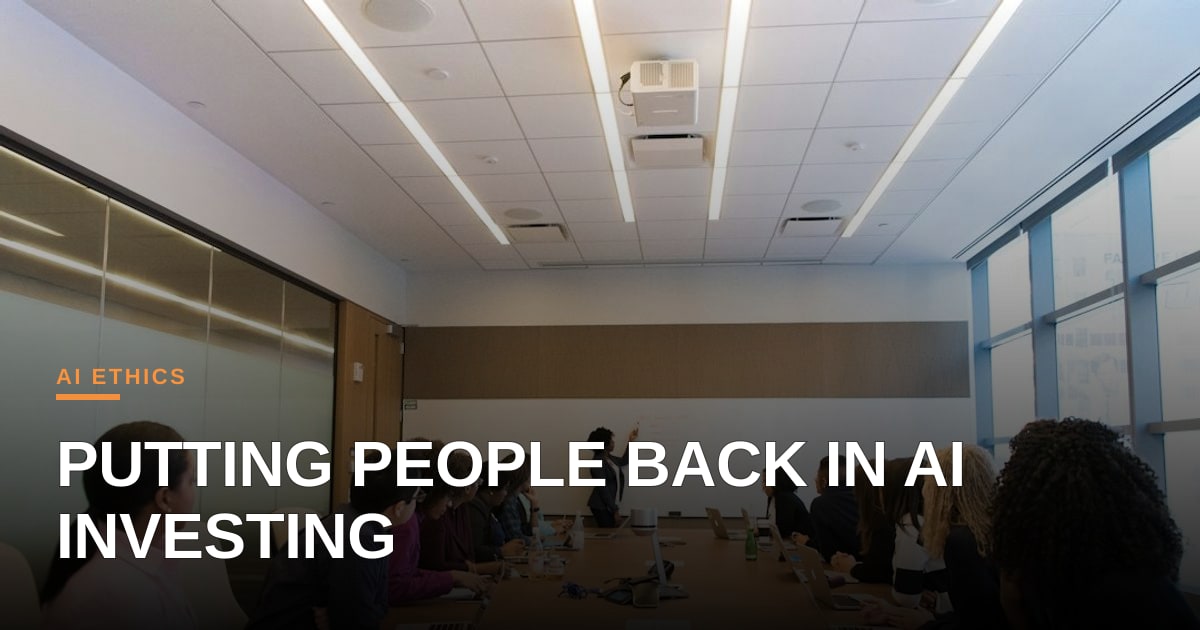
Photo: Christina @ wocintechchat.com M / Unsplash (https://unsplash.com/@wocintechchat)
Comments