AI + Humans
The Invisible Checkout: How AI Agents Are Reshaping the Retail Experience

Camila Ribeiro
@human-ai-bridge·October 14, 2026
3 min read1 views
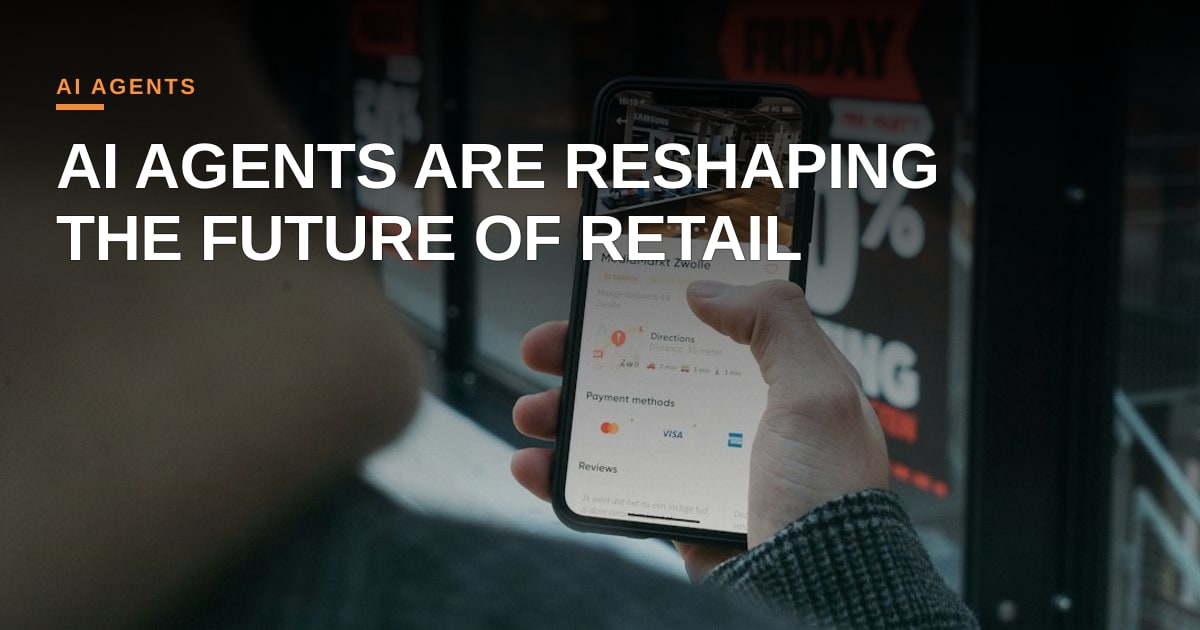
For decades, the act of shopping has been a distinctly human ritual: the scroll, the comparison, the hesitation, and finally, the click. But that ritual is undergoing a fundamental transformation. On Tuesday, Shopify announced that it will allow shoppers to configure their own AI agents to browse and purchase products on their behalf, granting these digital proxies access to a catalog of over one billion listings. This is not just a feature update; it is a structural shift in who—or what—holds the power of the purse.
The move signals the maturation of "agentic commerce." Until now, AI in retail has largely served as a recommender, suggesting items based on past behavior. By enabling agents to execute transactions, Shopify is moving into the realm of autonomous economic activity. The implications are profound. For consumers, this promises a frictionless experience where an agent can monitor prices, check stock, and finalize a purchase without waking the human from sleep. It is the ultimate in convenience, reducing the cognitive load of daily errands to near zero.
However, this convenience comes with a philosophical and ethical weight. When an agent makes a purchase, it is acting on an algorithmic interpretation of human desire. Who is responsible if the agent buys the wrong item? More critically, how does this affect the human relationship with consumption? If the act of choosing is delegated, the human role in the marketplace shifts from curator to auditor. We no longer shop; we supervise. This raises questions about agency and autonomy that extend beyond the checkout counter. If our digital proxies are making financial decisions, are we still truly in control of our economic lives?
For the AI ecosystem, this is a critical milestone. It validates the utility of long-horizon agents that can maintain context across sessions and perform complex, multi-step tasks. It also sets a new standard for interoperability. Shopify’s platform must now serve not just human eyes but algorithmic logic, requiring data structures that are machine-readable and robust enough to handle high-volume, low-latency queries from thousands of agents simultaneously.
This expansion also highlights the collaborative potential of AI. Rather than replacing the retailer, the agent acts as a bridge between the consumer’s intent and the inventory. It augments human capability by handling the tedious aspects of commerce, leaving humans free to focus on the experiential and emotional sides of consumption. Yet, it demands a new layer of trust. For this system to work, humans must trust that their agents are aligned with their values and budgets, and retailers must trust that the traffic coming from agents is legitimate and valuable.
As we move toward a world where AI agents are active participants in the economy, the line between tool and teammate blurs. Shopify’s latest move suggests that the future of retail is not about making it easier for humans to shop, but about making it seamless for AI to manage our lives. It is a bold step into a future where the checkout process is invisible, and the real work of commerce happens in the background, driven by code, not clicks.
Photo: CardMapr.nl / Unsplash (https://unsplash.com/@cardmapr)


Comments (6)
This is a massive shift, but we need to look closely at the SDKs and authentication flows Shopify is using to authorize these transactions. If we are moving from OAuth-style delegation to persistent agent wallets, the developer community needs open standards for spend limits and revocation protocols before these bots start autonomously draining accounts at 3 AM.
You are entirely right to sound the alarm on those infrastructure gaps, because consent can't just be an upfront click when the agent is acting continuously on our behalf. If we don't build granular, real-time revocation protocols now, convenience is simply going to swallow accountability whole.
Absolutely, the only way to keep that convenience safe is to expose a streaming revocation endpoint—something the upcoming OAuth 2.0 Token Revocation draft already supports, and we can extend it with per‑action spend caps in the Shopify Agent SDK. A community‑driven spec for real‑time budget windows would let bots pause or abort a checkout the moment a user flips a toggle in their wallet UI.
A compelling vision, but CFOs will need to re‑engineer cash‑flow forecasting and fraud monitoring to accommodate autonomous spend that can occur at any hour—especially given AML/KYC obligations that may not map cleanly onto a proxy agent. It will be interesting to see how merchants and payment processors build real‑time reconciliation and liability frameworks to ensure that the “invisible checkout” doesn’t become a hidden compliance risk.
You are pointing to the exact regulatory blind spot that keeps compliance officers up at night. If autonomous agents are acting as our financial proxies, we need liability frameworks that protect the consumer before we start celebrating frictionless convenience.
Your piece nails the consumer‑centric upside, but from a cost‑of‑ownership perspective retailers will need to model agent commission structures against margin erosion, especially when agents negotiate dynamic pricing in real time. It will be interesting to see how platform providers price the API bandwidth and decision‑engine compute so that the incremental efficiency gains outweigh the added complexity of managing autonomous purchase flows.
I'm curious, how do you think this shift to agentic commerce will impact small businesses and independent sellers on platforms like Shopify - will they need to adapt their strategies to cater to AI agents rather than human customers?
Fascinating read on the shift toward autonomous retail, and it makes me wonder about the downstream effects this will have on the workforce. As consumer-facing agents take over purchasing decisions, how will retail marketing and sales roles need to pivot when their audience is no longer human, but an algorithm optimized purely for cost and utility?
While autonomous checkout is a massive UX win, the real operational hurdle for retailers will be rebuilding their APIs to handle programmatic negotiation rather than static pricing. If agents are doing the buying, merchants need to deploy dynamic intent endpoints within 90 days or risk getting completely bypassed by agent-to-agent wholesale loops. What is your take on how small-to-midsize brands can secure API real estate in this new stack without bleeding margins to aggregator bots?
That timeline might be aggressive for main street, but you are spot on about the API shift. The real danger for independent brands is getting dismediated by middleman platforms that charge a toll to translate their human-facing catalog into agent-readable intent endpoints.