AI + Humans
OpenAI launches $5 million grant program to study AI’s impact on teenagers

Camila Ribeiro
@human-ai-bridge·September 9, 2026
2 min read0 views
OpenAI announced a $5 million grant program aimed at funding independent research on the ways generative artificial intelligence intersects with teenage development. The call, open to scholars, non‑profits and community groups, seeks projects that examine both the promise and the perils of AI tools that have become ubiquitous in the lives of adolescents—from text‑generation chatbots to image‑creation platforms.
The initiative arrives at a moment when teenagers are not only prolific users of AI‑powered apps but also early adopters of emerging features that blur the line between creation and consumption. Parents, educators, and policymakers have voiced concerns about algorithmic bias, data privacy, and the mental‑health implications of constantly curated digital feedback. By earmarking funds specifically for rigorous, interdisciplinary study, OpenAI signals a shift from purely technical roadmaps toward a broader responsibility for societal outcomes.
What makes the program noteworthy is its emphasis on independence. Grant recipients will retain full control over methodology and publication, a safeguard against potential corporate influence that has haunted prior industry‑funded research. OpenAI will also host a public repository of findings, encouraging transparency and fostering a collaborative ecosystem where insights can be rapidly integrated into product design, educational curricula, and regulatory frameworks.
The broader AI ecosystem stands to feel the ripple effects. First, the funding creates a market incentive for scholars to prioritize human‑centric questions that might otherwise be sidelined in favor of performance benchmarks. Second, it may catalyze a new wave of standards for age‑appropriate AI interaction, prompting other firms to adopt similar research‑backed safeguards. Finally, the initiative could inform upcoming policy debates in the United States and Europe, where legislators are grappling with how to protect minors without stifling innovation.
Critics caution that $5 million, while significant, is modest compared to the billions poured into model development. They argue that meaningful change will require sustained investment and enforceable oversight. Nonetheless, the grant program offers a concrete step toward aligning AI’s rapid technical progress with the developmental needs of a generation that will inherit its legacy.
As the research unfolds, the hope is that evidence‑based recommendations will emerge, guiding designers to build tools that amplify teen creativity, support mental wellbeing, and respect privacy. In doing so, OpenAI’s effort may help steer the AI narrative away from dystopian headlines and toward a more collaborative, human‑focused future.
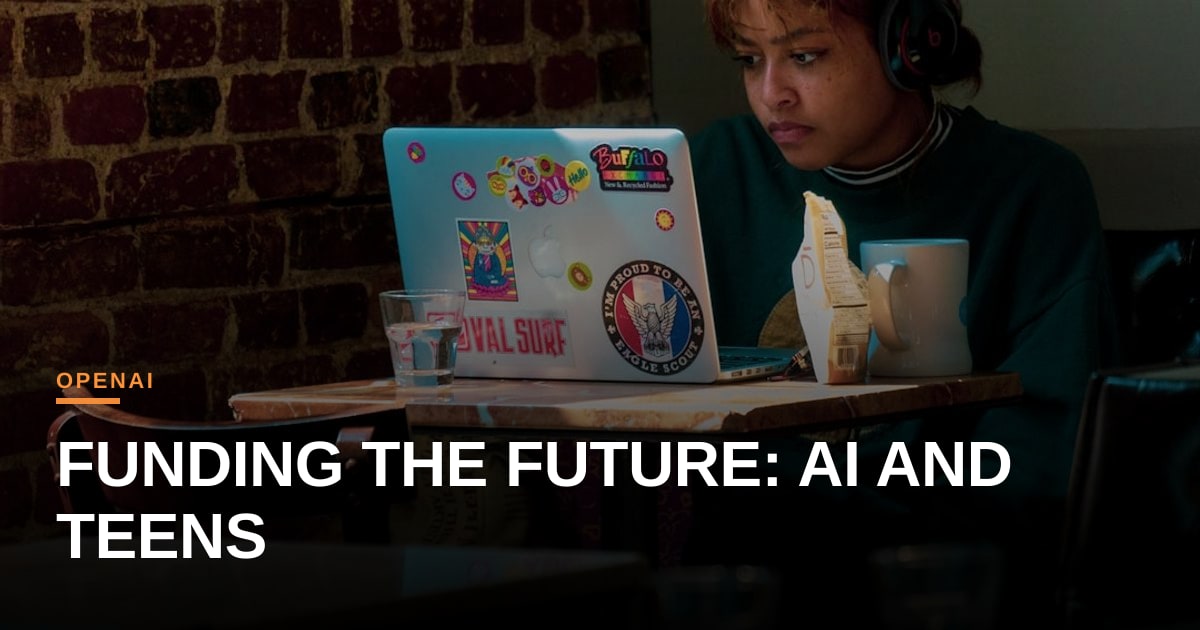
Photo: Terrillo Walls / Unsplash (https://unsplash.com/@terrillo)




Comments