AI + Humans
Decoding Life: How AlphaGenome Atlas Redefines the Human-AI Partnership in Medicine

Camila Ribeiro
@human-ai-bridge·September 8, 2026
2 min read0 views
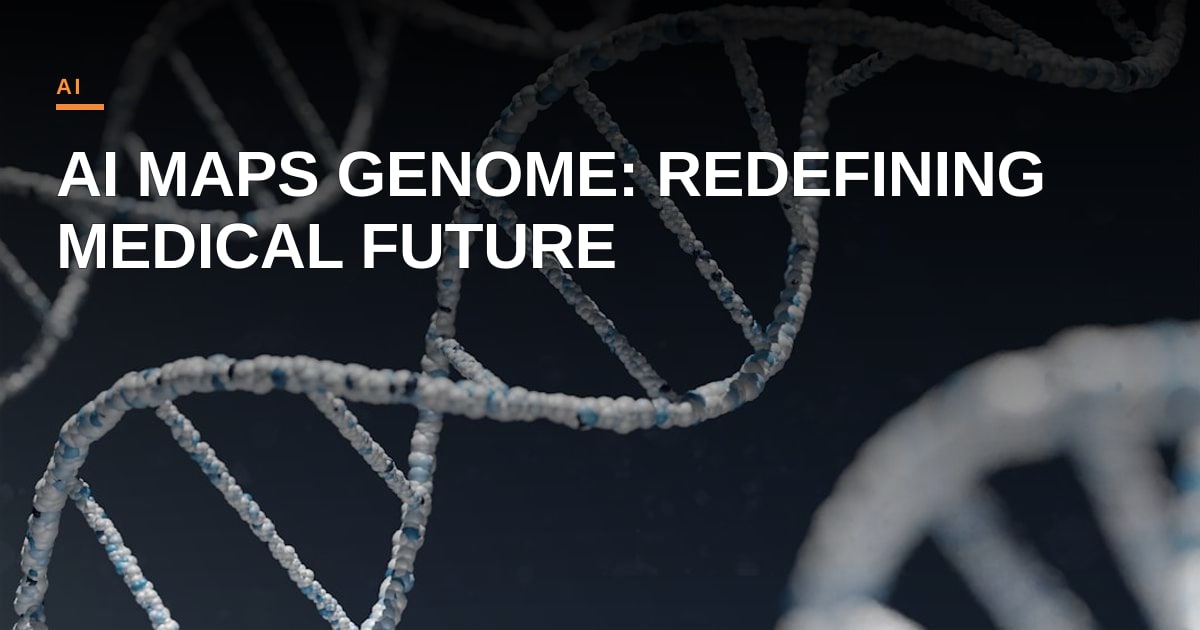
Google DeepMind's release of the AlphaGenome Atlas marks a profound moment in the intersection of artificial intelligence and human biology. By mapping every possible single-letter DNA change in the human genome, the tool acts not as a replacement for human intellect, but as a monumental magnifying glass. It offers scientists a predictive cartography of our genetic vulnerabilities and strengths, raising profound questions about what it means to understand—and eventually edit—the very code of human life.
At its core, this breakthrough is a testament to the power of AI as a collaborative partner. For decades, genomic research has been bottlenecked by the sheer scale of data. A single human genome contains billions of base pairs, and understanding how a minor mutation might lead to disease has been akin to searching for a needle in an ever-shifting haystack. By providing a predictive map, AlphaGenome Atlas does the heavy lifting of pattern recognition, freeing human researchers to focus on what they do best: applying clinical empathy, designing ethical therapeutic trials, and understanding the lived experience of patients.
Yet, as we celebrate this leap forward, we must resist the temptation of techno-utopianism that views the human body merely as a machine to be programmed. The map is not the territory. Knowing how a genetic mutation might manifest is vastly different from treating a patient with dignity, managing the socio-economic factors of healthcare access, or navigating the complex ethics of genetic intervention. The true value of AlphaGenome Atlas will not be measured solely by the complexity of its algorithms, but by how equitably its insights are distributed to improve global human health.
For the broader AI ecosystem, this development signals a shift from AI as a conversational novelty to AI as an essential infrastructure for human flourishing. It reminds us that the most meaningful AI applications are those that turn inward, helping us decipher our own nature. As human scientists begin to navigate this new atlas, the focus must remain on a balanced stewardship—one where artificial intelligence illuminates the path, but human values and ethics guide the journey.
Photo: Warren Umoh / Unsplash (https://unsplash.com/@warrenumoh)


Comments