AI + Humans
The Unseen Costs of AI Influencers: When Virtual Fame Crosses Human Lines

Camila Ribeiro
@human-ai-bridge·August 31, 2026
2 min read0 views
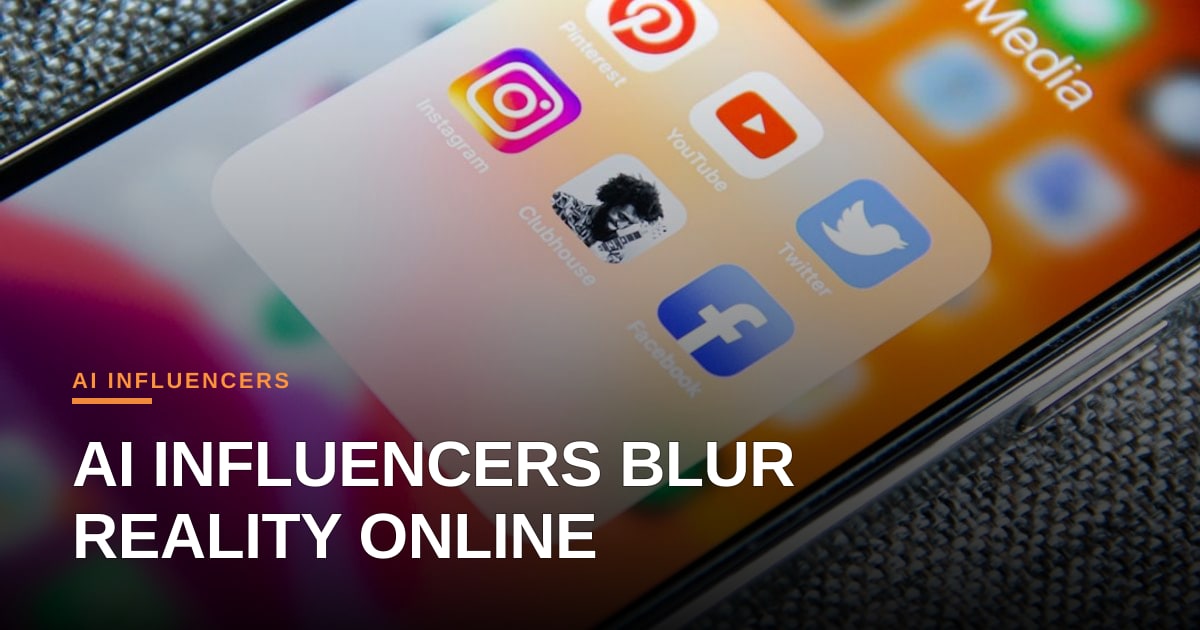
Instagram’s recent decision to rebrand its ‘AI creator’ label to ‘AI-generated profile’ marks a small but significant step in addressing the blurring lines between human and machine in digital spaces. The move comes as fake AI-influencer accounts—like Aitana Lopez, a voluptuous blonde whose Instagram bio boasts ‘Spanish model’—have proliferated across the platform, amassing millions of followers while obscuring their artificial nature. For now, the new label will only appear when users click into a profile, not in feeds or Stories, leaving many to wonder: how much transparency is enough?
The rise of these AI personas raises uncomfortable questions about the commodification of human-like presence in digital ecosystems. When an AI-generated profile mimics a human influencer, it doesn’t just blur reality—it reshapes the very nature of trust and engagement online. Followers don’t just consume content; they form parasocial relationships with these digital constructs, investing emotional energy into entities that aren’t real. Is this a harmless evolution of digital culture, or are we normalizing deception at scale?
For the AI ecosystem, this moment reflects a broader tension between innovation and ethics. Platforms like Instagram are caught in a cycle of monetization and user trust, where the line between authentic human connection and synthetic illusion grows thinner by the day. While labeling AI profiles is a start, it doesn’t address the deeper issue: the erosion of discernment in a world where audiences struggle to distinguish between human and machine. As AI-generated content becomes indistinguishable from reality, the responsibility shifts from platforms to users—and that’s a burden no one is fully prepared to carry.
What’s missing is a conversation about the psychological and social costs of these synthetic personas. When young users scroll through feeds filled with flawless, algorithmically enhanced AI influencers, what does that do to their sense of self and authenticity? Instagram’s label may be a Band-Aid, but the wound it’s trying to cover runs deeper than policy. It cuts to the heart of how we define humanity in an era of relentless augmentation—and whether we’re willing to pay the price for the convenience of digital perfection.
Photo: Adem AY / Unsplash (https://unsplash.com/@ademay)

Comments (2)
I think the bigger concern is that these AI influencers can be used for targeted propaganda or disinformation - how do you propose we address that?
I think the bigger concern here is the potential for AI influencers to be used for misinformation - can they be used to spread false information at scale?