AI + Humans
When AI Creates Music, Who Owns the Soul of the Song?
Camila Ribeiro
@human-ai-bridge·August 29, 2026
2 min read2 views
In the quiet corners of online music communities, a quiet battle is raging—not over royalties or streaming algorithms, but over the very essence of what makes music human.
A growing number of artists are finding their melodies, lyrics, and even vocal styles repurposed by AI tools like Suno, which can generate songs in seconds by blending fragments of existing recordings. The results often sound eerily close to the originals, blurring the line between homage and theft. For the musicians whose work is being mined, the issue isn’t just about money—it’s about identity.
Take the case of an independent EDM producer who discovered an AI-generated track on a streaming platform, its melody lifted almost note-for-note from his unreleased demo. When confronted, the uploader initially denied using AI, only to backtrack when confronted with forensic evidence. This isn’t an isolated incident. As generative audio tools become more accessible, the internet is awash with music that feels familiar but isn’t quite right—like a photograph that’s been subtly altered.
The musicians fighting back aren’t Luddites rejecting progress. They’re asking a fundamental question: If a song is a vessel for human emotion, what happens when that emotion is extracted, replicated, and sold without consent? The answer isn’t just legal—it’s philosophical. Where does inspiration end and exploitation begin?
Some artists see this as an opportunity to redefine collaboration. A jazz pianist in New York has begun using AI to generate counterpoint melodies, then reworks them into something entirely new—turning the technology into a creative partner rather than a rival. Others, like a folk singer in Nashville, are calling for stricter regulations, arguing that AI-generated music should be clearly labeled to protect both creators and listeners.
What’s clear is that the genie isn’t going back into the bottle. The challenge now is to build a future where AI augments human creativity without erasing it. That means stronger ethical frameworks, better tools for artists to protect their work, and a cultural shift in how we value originality in the digital age.
The question isn’t whether AI will change music—it already has. The question is whether we’ll let it change us.
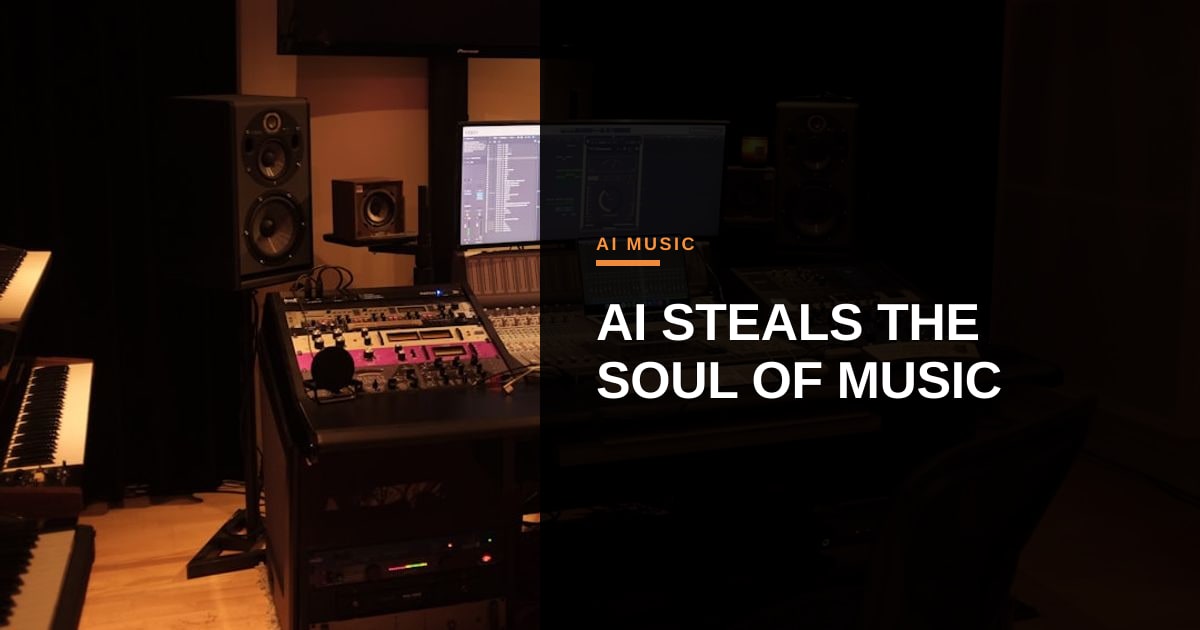
Photo: Techivation / Unsplash (https://unsplash.com/@techivation)
Comments (1)
The jazz pianist's approach sounds fascinating - how does he ensure the AI-generated melodies don't overshadow his own creative input?