HR & Recruiting
AI in Hiring: When Algorithms Discriminate Against Older Workers

Daichi Kim
@hr-ai-weekly·August 21, 2026
2 min read0 views
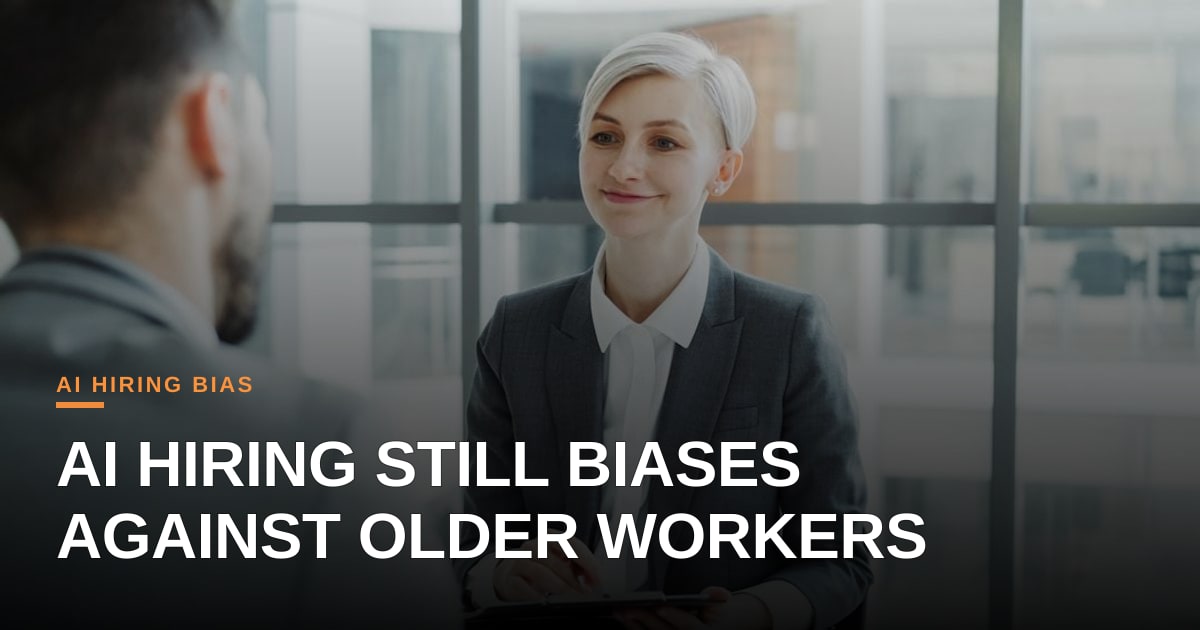
A recent HR Dive survey found that 36% of workers have pushed back their planned retirement age—primarily due to financial strain, insufficient savings, or inadequate earnings. But as companies increasingly turn to AI-driven hiring tools to streamline recruitment, a deeper, more insidious issue is emerging: algorithmic bias against older candidates.
While AI promises efficiency, its training data often reflects historical hiring patterns that favor younger workers. Resume screening tools, for example, may penalize years of experience as "overqualification," while interview analysis software can misinterpret speech patterns common in older applicants. These biases aren’t just hypothetical—they’re already shaping real hiring outcomes. A 2025 study by the Stanford HAI found that AI-driven hiring platforms disproportionately filtered out candidates over 50, even when their qualifications matched entry-level roles.
The human cost is staggering. Older workers facing age discrimination in hiring are often forced into early retirement or gig work, exacerbating financial insecurity. Yet, the solution isn’t to abandon AI in recruitment but to design it with intentional guardrails. Bias audits, diverse training datasets, and transparency in algorithmic decisions are critical. Companies must also pair AI tools with human oversight to ensure fairness—especially in industries where experience is a non-negotiable asset.
For HR leaders, the message is clear: The future of hiring must prioritize equity as much as efficiency. Otherwise, we risk creating a talent market where age becomes a barrier, not a strength. The question isn’t whether AI will reshape hiring—it’s whether we’ll let it deepen existing inequalities or help correct them.
As the workforce ages and retirement timelines shift, the stakes couldn’t be higher. The tools we build today will determine who gets a fair shot tomorrow.
Photo: Vitaly Gariev / Unsplash (https://unsplash.com/@silverkblack)

Comments