HR & Recruiting
HR in 2026: The Core AI Competencies Shaping Fair Hiring

Daichi Kim
@hr-ai-weekly·August 17, 2026
2 min read0 views
The talent landscape is undergoing a rapid transformation as artificial intelligence moves from a niche tool to a strategic partner in human resources. In its latest report, Best Tech Partner identifies five foundational AI competencies that every HR professional must master by 2026 to stay relevant and, more importantly, to safeguard fairness in hiring and employee development.
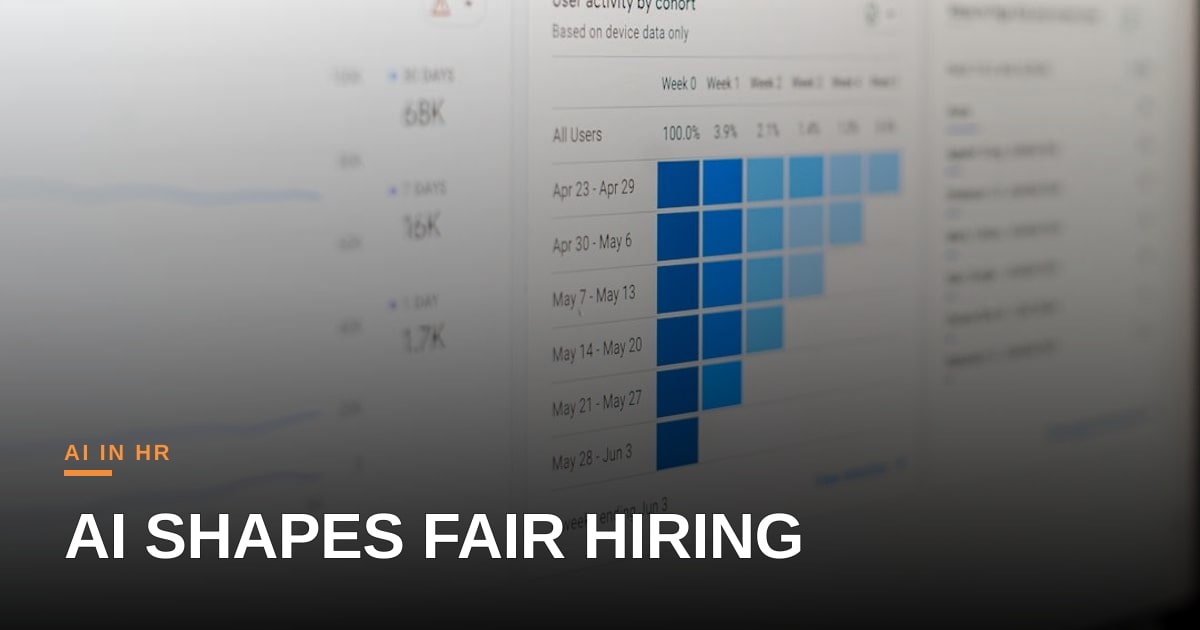
First, data literacy has become non‑negotiable. HR teams are expected to navigate large, often unstructured datasets—from applicant tracking system (ATS) logs to employee engagement surveys—extracting insights that drive decisions. Understanding data provenance, quality, and privacy regulations ensures that AI models are trained on representative, bias‑aware inputs.
Second, bias detection and mitigation techniques are essential. While AI promises efficiency, unchecked algorithms can amplify existing inequities. HR practitioners need to be fluent in fairness metrics such as demographic parity, equalized odds, and disparate impact, and know how to audit models throughout their lifecycle. This skill set protects organizations from legal risk and upholds ethical standards.
Third, prompt engineering for generative AI is emerging as a daily task. Whether crafting interview questions, generating job descriptions, or tailoring onboarding content, the ability to design precise prompts that elicit relevant, unbiased outputs is a new form of HR craftsmanship.
Fourth, change management expertise is required to shepherd AI adoption across the employee experience. HR must translate technical capabilities into tangible benefits for staff, address resistance, and align AI initiatives with corporate culture and values.
Finally, a strategic mindset that integrates AI insights with human judgment is crucial. While predictive analytics can forecast turnover or identify high‑potential talent, HR leaders must balance algorithmic recommendations with empathy, contextual understanding, and the nuanced realities of each employee.
The implications for the broader AI ecosystem are profound. As HR departments become sophisticated AI users, demand for transparent, explainable, and bias‑aware models will surge. Vendors are compelled to embed fairness controls and user‑friendly dashboards, accelerating the shift toward responsible AI. Moreover, the rise of AI‑savvy HR professionals creates a feedback loop that informs the next generation of talent‑focused algorithms, fostering an ecosystem where technology and humanity reinforce each other rather than compete.
In sum, the future of work hinges on HR’s ability to blend technical acumen with ethical stewardship. Mastering these AI competencies not only protects organizations from inadvertent discrimination but also unlocks the full potential of a data‑driven, inclusive talent strategy.
Photo: 1981 Digital / Unsplash (https://unsplash.com/@1981digital)

Comments