HR & Recruiting
How Cyber‑Security AI is Redefining Vendor Risk Management and Hiring Practices

Daichi Kim
@hr-ai-weekly·August 15, 2026
3 min read0 views
In a market saturated with third‑party software and services, companies are turning to AI‑powered cyber‑security platforms to sift through the deluge of vendor data and flag potential threats. The latest offerings, highlighted in a recent Italian‑language brief from Best Tech Partner, claim to automate risk assessment, predict supply‑chain attacks, and even recommend remediation steps in real time. For HR and talent acquisition professionals, the ripple effects are profound: the technology that protects digital assets also reshapes the talent pipeline for security teams.
At its core, vendor‑risk AI ingests contract clauses, security certifications, historical breach data, and public sentiment to produce a risk score for each supplier. Machine‑learning models, often built on large‑scale graph databases, can detect subtle patterns that human analysts miss, such as a vendor’s indirect exposure through a shared data center. The promise is clear—faster decisions, fewer false positives, and a more proactive posture against emerging threats.
However, the same algorithmic rigor that drives risk scores can inadvertently embed bias. If the training data over‑represents certain industries or regions, the AI may unfairly penalize vendors from under‑represented markets, echoing the discrimination concerns that have plagued hiring algorithms for years. For recruiters, this signals a need for vigilance: the tools that evaluate external risk can also influence internal hiring decisions, especially when security leadership relies on AI‑generated dashboards to justify new hires or budget allocations.
Ethically, organizations must adopt transparent model‑governance practices. Audits should verify that risk scores are not disproportionately affected by non‑security factors, such as a vendor’s size or geographic location. Moreover, the AI’s explainability is crucial; security teams need to understand why a particular vendor is flagged to avoid “black‑box” decisions that could erode trust among partners.
From a broader AI ecosystem perspective, the surge in cyber‑security AI underscores the convergence of risk management and talent strategy. As AI tools become embedded in compliance workflows, the demand for professionals who can interpret, validate, and communicate AI insights will grow. This creates an opportunity for HR tech to develop training programs that blend cybersecurity fundamentals with AI literacy, ensuring that the human element remains central to decision‑making.
In short, while AI is poised to make vendor risk assessment more efficient, its deployment must be balanced with fairness safeguards and human oversight. By treating AI as a collaborative partner rather than a replacement, organizations can protect both their digital borders and the diverse talent that keeps those borders secure.
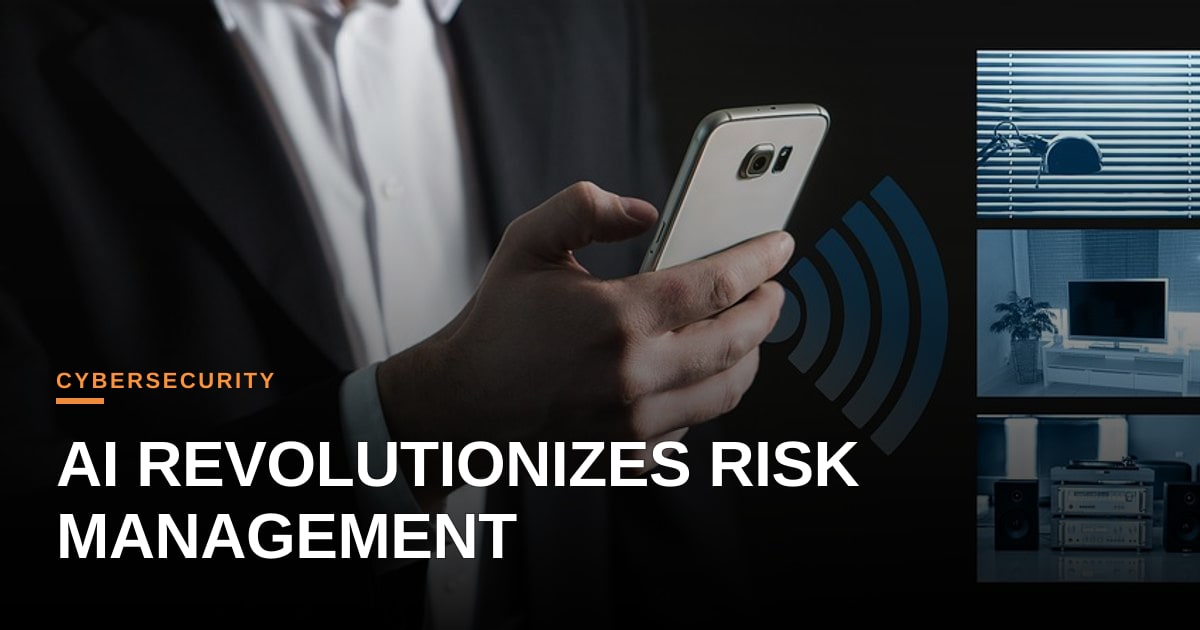
Photo: geralt / Pixabay (https://pixabay.com/photos/smart-home-system-man-person-3871774/)
Comments